
Reviewed · DELFT
Royal Delft: Delftblue Factory and Museum
Royal Delft is interesting because it is not just a museum piece. It is one of the last 17th-century Delft Blue factories where you can watch the process still being done by hand. You get that rare mix of historic artifacts and live craft.
I love the hands-on nature of the factory walk, especially seeing how master painters work with careful control. I also like the 1-hour audio experience in eight languages, because it gives you just enough context to understand what you are seeing without turning your visit into a lecture.
One possible drawback is that this is mainly self-guided, so you may not get the back-and-forth of a live guide. Also, factory activity can vary by time of day, so if you’re hoping to see constant painting the entire visit, you might need a little luck.
Key things to know before you go
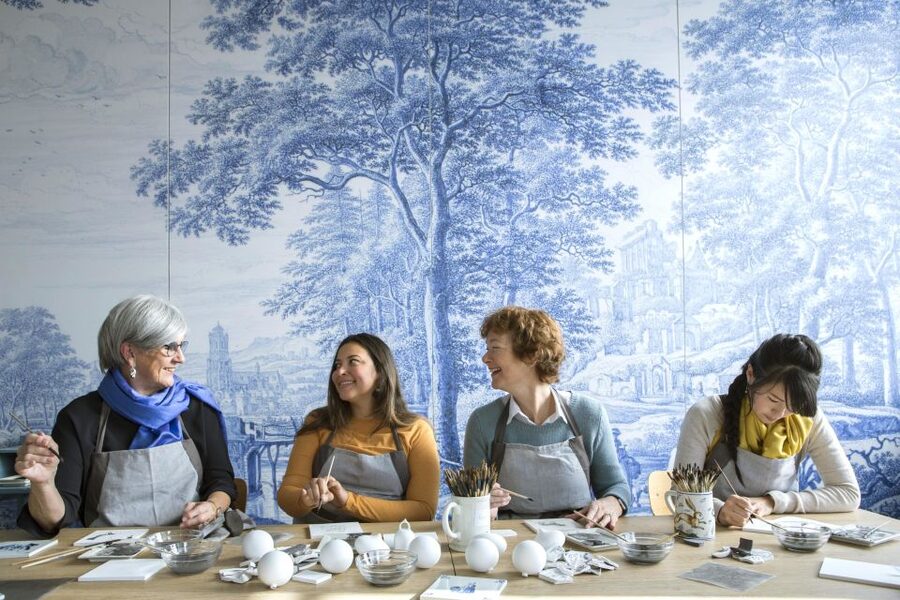
- Live Delft Blue craftsmanship: watch brushes at work and learn the steps behind the finished look
- A real 17th-century factory: Royal Delft has been hand-making Delft Blue since 1653
- Antique and modern displays: you can compare classic styles with contemporary pieces in one visit
- Audio tour that sets the pace: handheld audio in eight languages helps you move through efficiently
- Garden break at Brasserie 1653: pause with coffee or tea in a courtyard setting while you plan your next stop
Royal Delft’s Still-Working Factory Feels Like a Craft Workshop
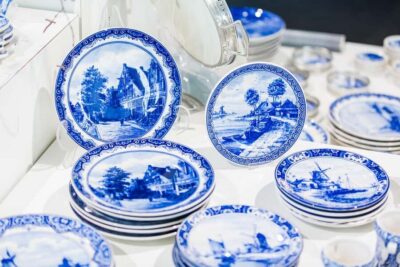
Royal Delft, founded in 1653, is famous for one simple reason: it is still painting Delft Blue by hand in the same tradition that made the style a European sensation centuries ago. In a city full of ceramic history, this factory visit is different because you’re not only looking at objects, you’re watching how they get made.
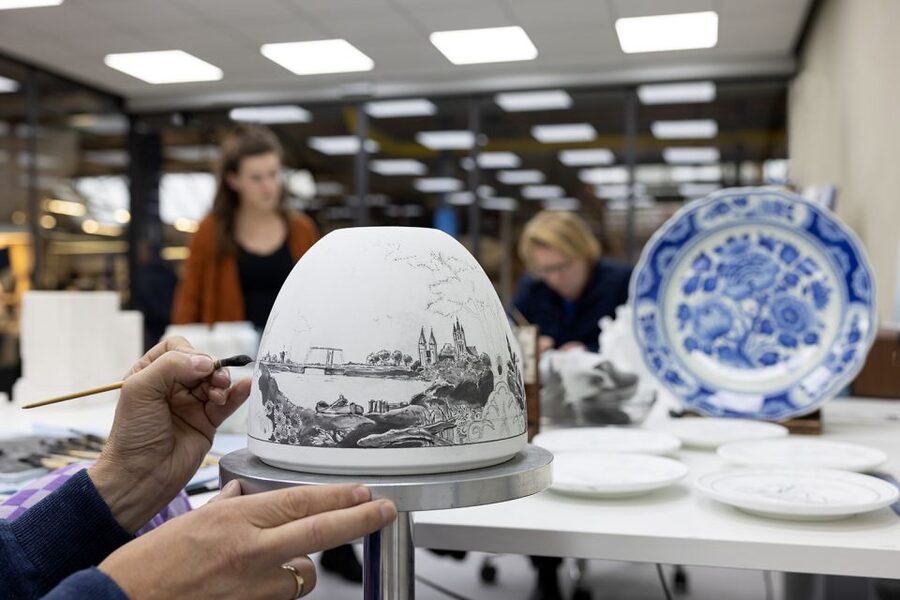
The visit starts with the idea that Delft Blue is a system, not just a pretty pattern. You’ll see brushes touch white earthenware with the kind of patient precision that makes the final scenes possible. You’ll also see how clay gets prepared and shaped, including clay being poured into handmade moulds. That matters because it explains why the pieces look so consistent, even though every item still depends on skilled hands.
You’ll also learn a neat technical point that makes the color story click. One of the most useful facts you may hear on the tour is that the art can be painted in black ink and then turns blue in the kiln. That is the kind of detail that makes the whole factory walk feel more meaningful, since you start seeing the steps as a workflow instead of random studio scenes.
And yes, you’ll leave with that very practical feeling: you understand why the ceramics cost what they do, because you saw how much time and expertise go into each stage. For me, that connection between process and price is the biggest payoff.
More of Delft:
- From Amsterdam: Rotterdam, Delft & The Hague Guided Day Tour
★ 4.2 · 2,065 reviews - Rotterdam, Delft and The Hague Day Trip from Amsterdam
★ 4.0 · 892 reviews - Rotterdam, Delft and The Hague Small Group Tour from Amsterdam
★ 4.5 · 599 reviews
Getting There and Timing Your 1.5-Hour Visit From Rotterdamseweg
Royal Delft sits at Rotterdamseweg 196 in Delft. It is an easy add-on if you are already in the Delft, Rotterdam, Hague, or Amsterdam area. From Amsterdam, plan on about 1.5 hours by train. From either the Hague or Rotterdam, it is about 30 minutes.
Delft train station is roughly a 15-minute walk away, and Market Square is about 20 minutes on foot. If you like low-effort transit, public buses also stop nearby. There is also free parking around the building, so if you are driving, you are not forced into stress.
The visit duration is listed as 1.5 hours, and that is realistic if you keep a simple plan: do the main factory walk, see the key museum displays, and then spend a short moment in the showroom before you decide whether you want the garden break. The audio tour is included and is about 1 hour, which means you should expect your time to be guided by your own pace, not by a scripted group rhythm.
One small planning consideration. If your goal is to catch maximum live activity, aim to arrive when the factory is most likely to be in full swing. Some visits may feel quieter than others, and the level of painter activity can affect how “watchable” the factory part feels.
The good news: even when the action is lighter, the building, the displays, and the craft stations still make the time worth it. This is not just a quick photo stop. It is a structured experience where you walk through the logic of making Delft Blue.
What You’ll See on the Factory Floor, Brushes to Kiln Results
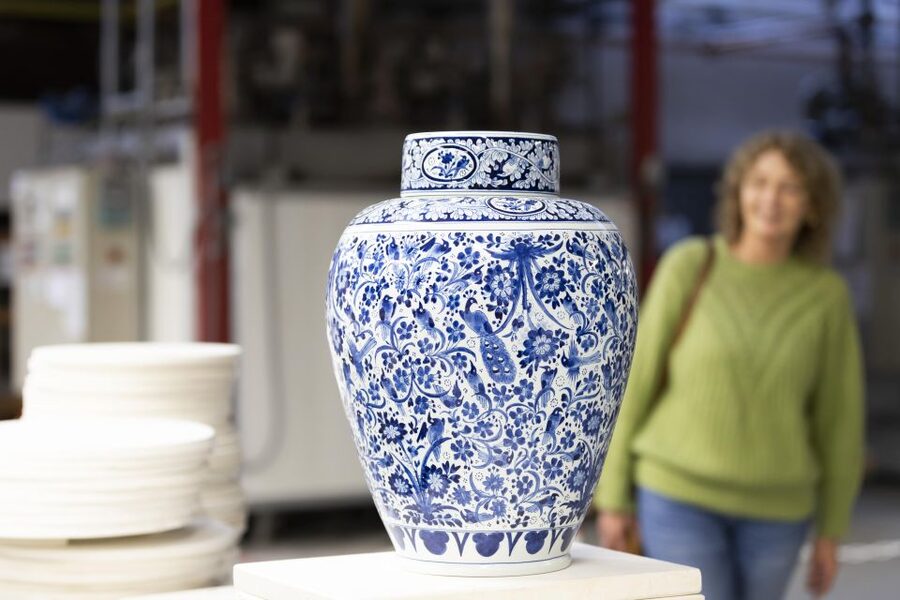
The heart of Royal Delft is the factory production experience. You move through spaces where you can see different stages of making Delft Blue earthenware. The biggest visual clue is the contrast between the plain white surfaces and the careful cobalt-blue decoration that turns them into recognizable Delft Blue pieces.
Here’s what to watch for as you walk. Look at how brushes are used for detailed lines and curves. The painters you see are working with steady control, not broad strokes. Even if you are not a ceramics person, you’ll start recognizing the difference between a fast decorative pattern and the kind of fine, scene-like detail that makes classic Delft Blue art feel lifelike.
Also keep an eye on the shaping steps. You may see clay being poured into handmade moulds, which helps explain the base form consistency you get in a factory setting. That supports the painting later, because the decoration needs predictable shapes.
One of the more satisfying things about the factory walk is that it connects to what you’ll learn in the audio guide: how the decoration process leads to the final blue look after firing. The black-ink-then-blue-in-kiln detail makes you see the steps as connected. It also helps you understand why Delft Blue doesn’t look like it is just “painted blue on top.” It is chemistry plus skill plus timing.
One consideration from real experience. On some visits, you may see fewer painters working at once, especially if you arrive in the afternoon. That doesn’t make the factory less interesting, but it can change the feel from lively to more observational. If your number one goal is constant live painting, you might want to plan your visit so you arrive earlier rather than later.
And if you catch a demo or a showing of someone painting, pay attention to the slow, deliberate motion. It is the best proof that you are seeing craft, not a staged performance.
Museum Rooms That Make Delft Blue’s Style Easy to Understand
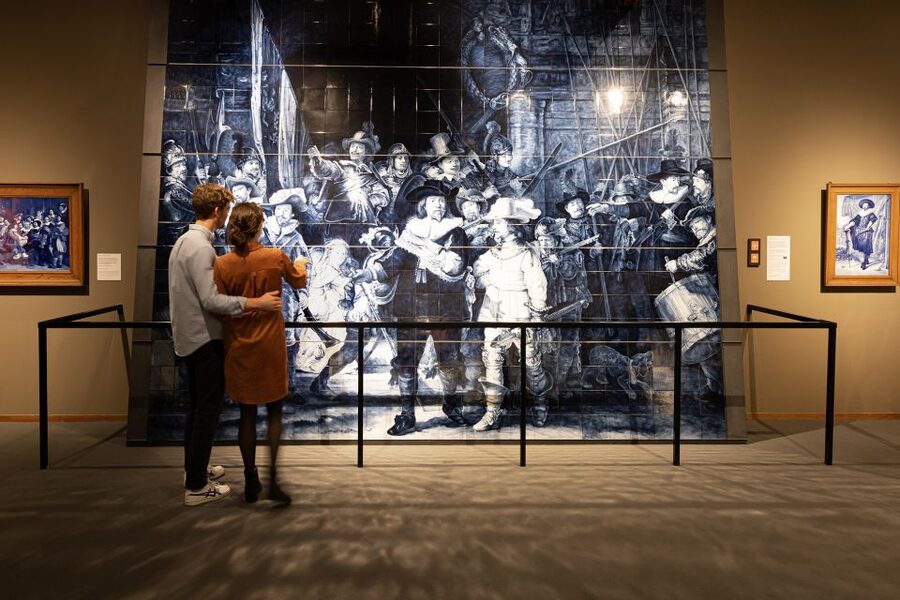
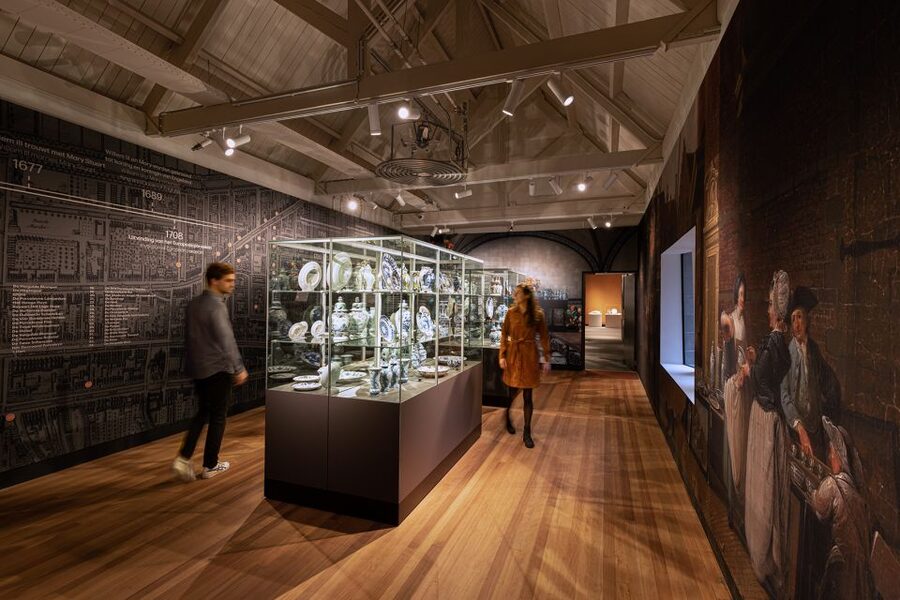
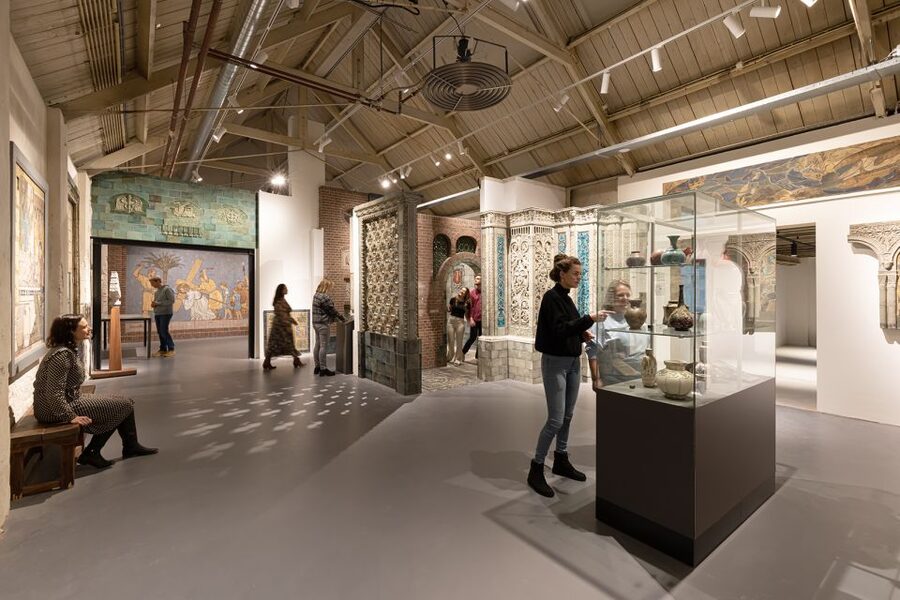
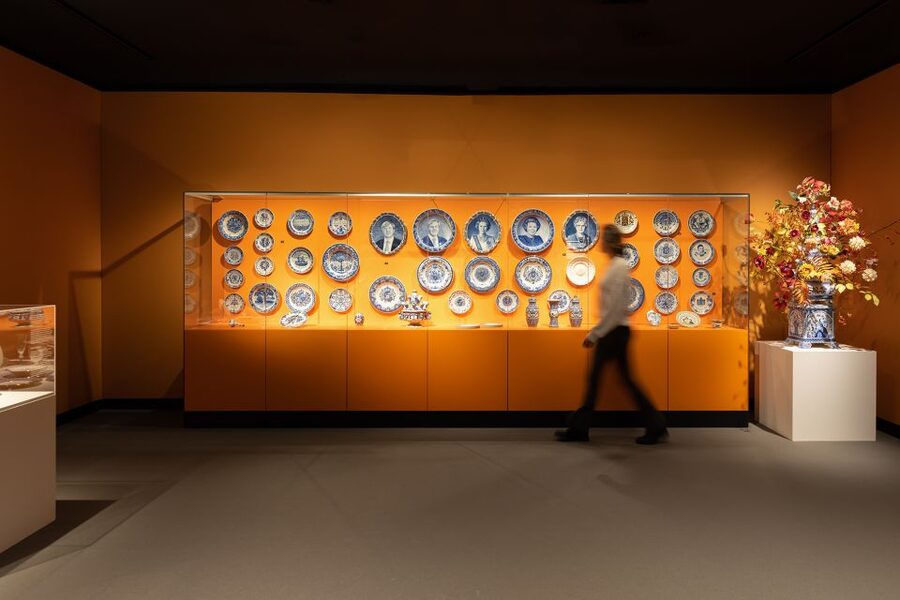
Royal Delft’s museum component is where the story becomes clear. You’ll see both antique and modern Delft Blue pieces, which is key, because it shows that Delft Blue is not frozen in time. It changes with taste, technology, and design trends while still staying tied to a recognizable look.
The displays are organized in a way that helps you go from story to object to process. As you move through, the audio tour keeps you focused on what you should notice next. Many people like this because it avoids the common museum problem of wandering without direction.
If you prefer a more self-paced experience, this kind of audio-guided flow works well. There have also been visits where the audio explanation is triggered through devices you scan at exhibits, which can make the museum feel more interactive than a typical audio app.
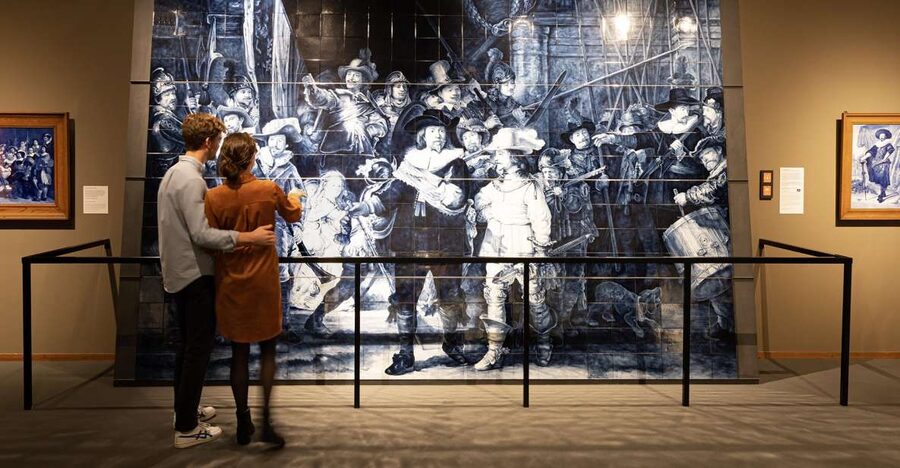
One standout type of display you may want to look for is large-format or scene-style items. For example, there is an impressive life-sized tiled version of the Night Watch that people often remember because it gives you scale. Instead of small souvenirs, you see how Delft Blue decoration can become a full narrative image.
You’ll also notice how the museum doesn’t just show finished pieces. It supports your understanding of materials and method, so you get the “why” behind what looks beautiful on a shelf.
If there’s a downside, it is that museums can feel less energetic than factories. But in this case, the audio tour and the production context usually keep it from feeling passive. You are not only looking at history, you are linking it to the craft steps you just saw.
More museums in Delft:
- Delft: Vermeer Centrum Delft Museum Entry Ticket
★ 4.6 · 189 reviews - Royal Delft: Delftblue Factory and Museum Admission Ticket
★ 4.5 · 145 reviews - Vermeer Centrum Delft Museum Admission Ticket
★ 4.0 · 45 reviews - Private Tour of Delft + Visit to Delft Blue Museum & Factory
★ 4.5 · 8 reviews
Showroom Time and Brasserie 1653, Tea and Coffee in the Courtyard

After the factory and museum walk, the showroom is where Delft Blue turns into real buying decisions. You’ll see a complete collection of hand-painted classic and modern Delftware and souvenirs. It is the place to slow down and compare patterns, styles, and price tiers.
This is also where you should be ready for sticker shock. Delft Blue is expensive, and Royal Delft’s reputation comes from the fact that you’re paying for handwork. One practical way to handle this is to go in with a simple shopping goal: decide on whether you want a small decorative souvenir, a medium statement piece, or a more serious purchase.
If you are buying from the showroom, also ask about how purchases are handled for travel. Some visitors specifically note that the shop can wrap and pack items and arrange shipping back home. That’s a huge help if you want something breakable without turning your suitcase into a fragile-risk experiment.
Next comes the food option, Brasserie 1653. It overlooks the courtyard garden, and it is a calm break from the walking parts of the visit. You can stop for coffee, high tea, or lunch, depending on what is available when you go. Meals and drinks are not included in the ticket price, so treat it as a bonus add-on, not part of the base value.
My practical advice here is simple: use the garden pause to decide whether you really want to shop or just enjoy the art. Once you sit down with a drink, you can think clearly about what you want to bring home and what fits your budget.
Price and Value for $21, What Makes It Worth the Money
At about $21 per person, this isn’t the cheapest museum ticket in Delft. But when you consider what you get, it holds up. Your admission includes entry, a 1-hour audio tour in eight languages, and free Wi-Fi. Most importantly, you’re not paying only for exhibits. You’re paying for access to the working production environment and the museum that explains it.
That combination is the value. A typical ceramics museum might show you objects. Royal Delft shows you process, then contextualizes it through the museum, then lets you see the full collection in the showroom. For many people, that flow is exactly why the ticket feels justified.
The tradeoff is how the experience is delivered. Since it is mainly self-guided, you are relying on the audio tour pace and the on-site displays. If you want a live human answering questions, you might feel held back unless you choose a guided option. Also, demos can be staged and not every demonstration matches your expectations. If you are the type who wants lively interaction, keep that in mind.
Another way to think about the price is durability. The items themselves are premium. You are not buying random souvenirs with printed decoration. You are buying a product built from hand-painted detail and long-established techniques. Even if you don’t buy a ceramic, watching the process trains your eye to see why quality costs more.
So, the best value is for people who care about craft. If you mainly want quick photos and a short museum sweep, the cost may feel higher than it needs to be.
Who Should Go to Royal Delft, and Who Might Skip the Extra Expectations
This works best for craft-minded travelers, art lovers, and anyone who wants a calm, structured experience that is not just “look at rooms.” If you like understanding how things are made, you’ll enjoy the factory portion more than you expect.
It also suits families, partly because the visuals are clear. One review noted bringing a kid who usually dislikes museums, and the factory and museum kept attention. That makes sense, because Delft Blue craft is visual and the scenes are easy to recognize, even for younger visitors.
If you have mobility needs, Royal Delft is listed as wheelchair accessible. The visitor flow is typically manageable because you are walking through planned spaces rather than navigating steep or complicated terrain.
Now, for people who might not love it. If you want a very interactive experience with a lot of spoken explanation and constant live painting, you may need to plan for variability. Some visits have more active painters on the factory floor than others. Also, since the experience is largely self-guided, the level of human interaction can feel limited.
If you care about live interpretation, look into the availability of guided tours on-site. Audio is included, and guided tours are offered in eight languages, but guided tours are not included in the standard ticket you’re buying.
One more practical note. Make space in your schedule for shopping decisions. Royal Delft’s shop is a major part of the experience because you can actually compare and choose pieces you saw earlier in the walk. And if you’re planning a gift, doing it after seeing the craft details usually helps you pick something you won’t regret later.
Should You Book Royal Delft? A Simple Decision Guide
Book Royal Delft if you want to see Delft Blue made by hand, not just displayed. The factory floor plus museum context plus showroom shopping is a rare one-stop format, and it is strong value at $21 when you actually care about the craft.
Consider skipping or going with lower expectations if you only want a quick hit of sightseeing. This is not a theme-park style attraction. It’s a thoughtful factory visit where you learn by watching, then confirming through exhibits.
My call: if Delft Blue is on your list and you like process and objects with real workmanship, this is an easy yes. If you’re traveling on a tight schedule or only want hands-free guidance and constant live demonstrations, you may prefer something else.
FAQ
How long is the Royal Delft Delftblue Factory and Museum visit?
The duration is 1.5 hours.
What does the ticket include for Royal Delft?
The entry ticket includes a 1-hour audio tour in 8 languages and free Wi-Fi.
How much does Royal Delft cost per person?
The price is listed as $21 per person.
Where is the meeting point?
The meeting point is Rotterdamseweg 196, 2628AR, Delft, the Netherlands.
Is the audio tour available in multiple languages?
Yes. The audio guide is included in Spanish, Chinese, Dutch, English, French, German, Italian, and Japanese.
Can I reach Royal Delft easily by train from Amsterdam or Rotterdam?
From Amsterdam, the train takes about 1.5 hours. From the Hague or Rotterdam, it takes about 30 minutes.
Is Royal Delft wheelchair accessible?
Yes, it is listed as wheelchair accessible.
FAQ
What days is Royal Delft closed?
Royal Delft closes at 16:00 on December 24th and 31st. It is closed all day on December 25th and 26th and on January 1st.
Latest Delft reviews
- Get the best out of Delft by creating memories during our private walking tour!★ 5.0 · 15 reviews
- Kinderdijk Windmills and Delft Small-Group Tour from Amsterdam★ 5.0 · 21 reviews
- Private Day Tour: Rotterdam, Delft & The Hague From Amsterdam★ 5.0 · 22 reviews
- e-Scavenger hunt Delft: Explore the city at your own pace★ 4.5 · 26 reviews
- Private Walking Tour of Delft: Dive into the Dutch Golden Age★ 5.0 · 33 reviews
- Rotterdam, The Hague, Delft Private Tour from Amsterdam★ 5.0 · 44 reviews
- Rotterdam, Delft and the Hague Day Trip from Amsterdam★ 4.5 · 55 reviews
- Visit the Girl with the Pearl Earring, The Hague & Delft City★ 5.0 · 63 reviews
Delft, compared.
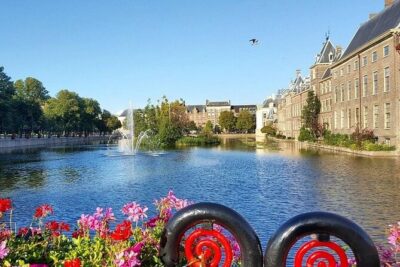
Rotterdam, Delft and The Hague Day Trip from Amsterdam
Read our review →
Rotterdam, Delft and The Hague Small Group Tour from Amsterdam
Read our review →
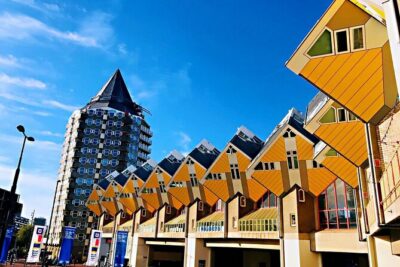
The Hague, Delft and Rotterdam Small-Group Tour (Max. 8 People)
Read our review →
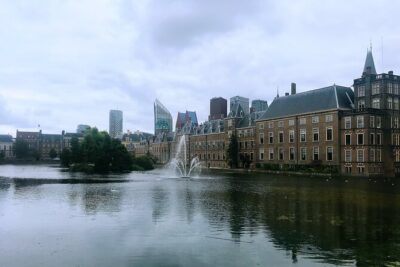
Rotterdam, Delft, The Hague Day Tour Incl. Madurodam/Royal Delft
Read our review →
Browse the lists this tour appears in