
Reviewed · CANAL CRUISES
Delft: Canal House Museum ‘Paul Tetar van Elven’ Ticket
Paul Tetar van Elven’s house is interesting because it is a real artist’s home that stayed intact, not a recreated set. I love the lavish, lived-in canal-house rooms and the way you get to see his collection of Delft blue and Far East porcelain alongside his own art. One drawback: it is a house museum, so if you want lots of outdoor wandering or hands-on activities, you may feel slightly limited.
In the centre of Delft, on the Koornmarkt, you walk into a home that was left to the public through Tetar’s will. The result is the only well-preserved, authentic example of a 19th-century artist’s house in the Netherlands, and that matters because the rooms feel personal, like you have been invited in by the people who lived there.
Plan on about a day and a comfortable pace. Tickets are $14 per person, food and drinks are not included, and you will get the best experience when you slow down and actually look at the objects, not just the walls.
Key things I’d make sure you notice
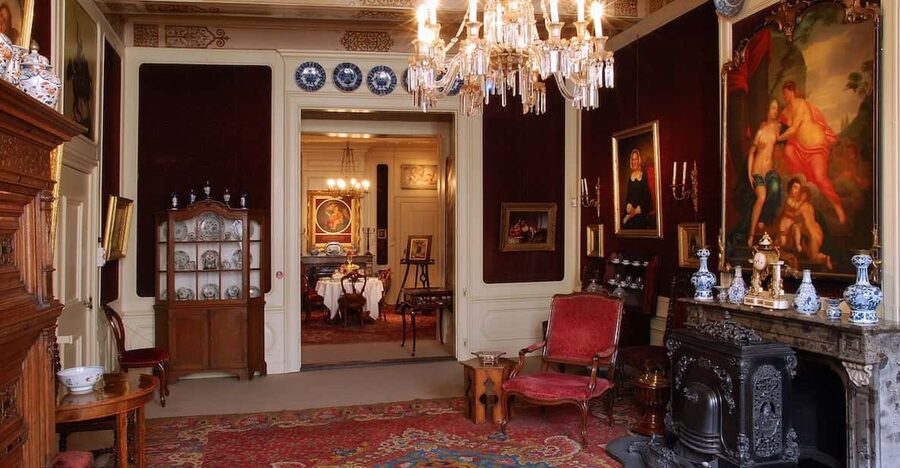
- A rare, preserved 19th-century artist’s house in Delft, left as a museum with its contents
- The Salon ceiling painted by Abraham Gips, featuring names of old masters Tetar admired
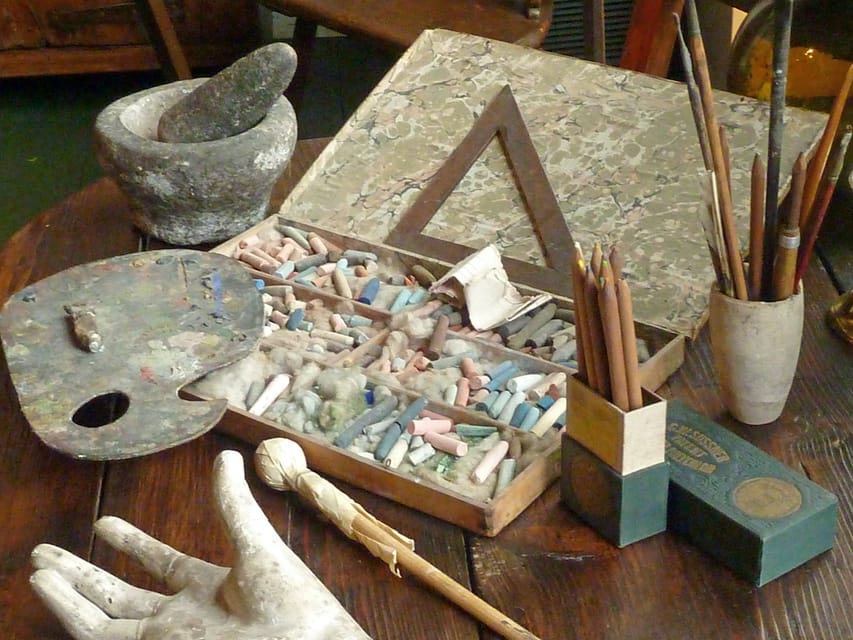
- A studio section with Tetar’s personal possessions, so you see how an artist collected and worked
- A library with antique books, which turns the collecting hobby into a study
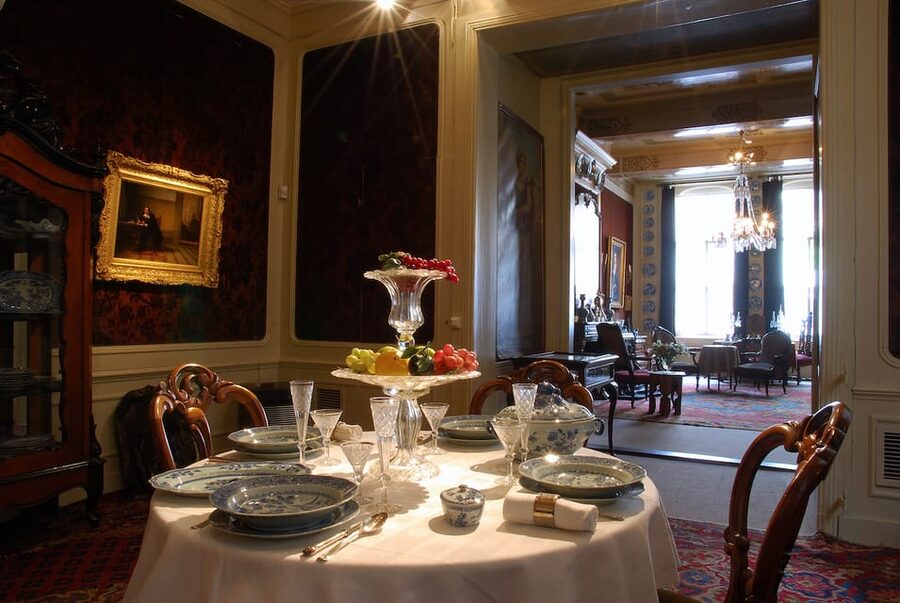
- Cabinets of Delft blue pottery and porcelain, including Tetar’s Far East finds
- Host explanations in English or Dutch, which help the art and objects click into place
Walking into a Delft canal house museum that feels like a home
This museum is basically Delft’s answer to a question you should ask in every city: what did everyday life look like for the kind of person who shaped the culture? Paul Tetar van Elven was an artist and a drawing-master connected to the Technical University of Delft, and he also collected art, antiques, Delft blue pottery, and porcelain from the Far East.
What I like right away is that the rooms do not feel sterile. The museum was created from Tetar’s own house and contents, so the setting supports the collections. You are not just looking at objects in a vacuum. You are looking at what one collector chose to live with, study, and show.
And yes, the inside is lavish. This is not a “quick look at a few items” stop. You will likely find yourself pausing in front of furniture, paintings, and display cabinets as if you are trying to understand taste and status, not just admire craft.
More of Delft:
- From Amsterdam: Rotterdam, Delft & The Hague Guided Day Tour
★ 4.2 · 2,065 reviews - Rotterdam, Delft and The Hague Day Trip from Amsterdam
★ 4.0 · 892 reviews - Rotterdam, Delft and The Hague Small Group Tour from Amsterdam
★ 4.5 · 599 reviews
Why the building matters: a house shaped by Delft’s big moments
The structure has roots in the 16th century, shortly after the Great Fire of Delft in 1536. That is not just trivia. It helps explain why the Koornmarkt became one of Delft’s wealthiest areas, and why a canal-house like this ended up holding so much artistry and collected wealth.
Renovations came in layers over time. There was a new front façade and modernization around the year 1800. Then, in 1864, Tetar bought this house and adapted the interiors to the fashion of his day.
So when you tour the museum, you are walking through an evolving space that reflects both the city’s recovery and a later 19th-century collector’s vision. It is the sort of building that makes you pay attention to details, because you can feel how the house changed rather than being frozen in one year.
The Salon ceiling by Abraham Gips: old masters, named and honored
If you only give one room full focus, make it the Salon. Tetar’s most striking addition there is a ceiling decorated by painter Abraham Gips (1861-1943). The ceiling includes names of the old masters that Tetar admired and copied, including Raphaël, Rubens, Rembrandt, and others.
This is where you see collecting as something more personal than buying. Tetar is not just displaying art. He is mapping influence. The ceiling turns your gaze upward and makes the whole room feel like a curated conversation between past masters and a 19th-century artist.
Practical tip: give yourself a minute or two to look around before you read the details. From the floor, you might not catch how the ceiling design directs your attention. Once you notice where your eyes are pulled, it gets easier to appreciate the room as a whole.
Living rooms, portraits, and the feeling of being personally welcomed
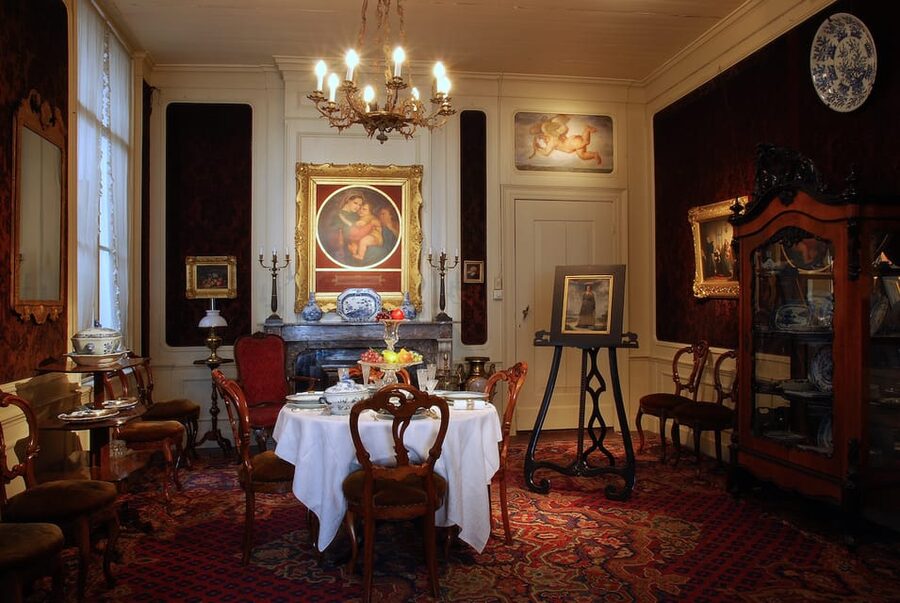
The museum experience is built around the idea that Tetar’s wishes were fulfilled. You can see his era in the richly decorated and furnished living rooms, with portraits and other paintings by himself and his contemporaries.
This matters for your enjoyment because a museum like this works best when you let it teach you the mood of the place. You are not just consuming information. You are stepping into a visual rhythm: paintings beside furniture, personal tastes expressed through display, and a sense of how someone hosted, studied, and spent free time.
In the reviews, people consistently highlight how helpful and enthusiastic the guide or host is during the visit. I find that makes a big difference in a house museum, where the meaning is in the context. If the explanations are clear, you can connect what you see to why it was collected and how it fit into Tetar’s life as an artist.
More canal cruises in Delft:
- Amsterdam Luxury Canal Cruise + Unlimited Drinks & Bites option
★ 5.0 · 30,518 reviews - Amsterdam: Heated Canal Cruise with Unlimited Drinks & Bite
★ 4.5 · 21,431 reviews - Amsterdam: 75 Minute City Canal Cruise with Audio Guide
★ 4.4 · 19,938 reviews - Amsterdam: City Centre Canal Cruise including Audioguide
★ 4.3 · 16,901 reviews
Studio and library: collecting as a working habit
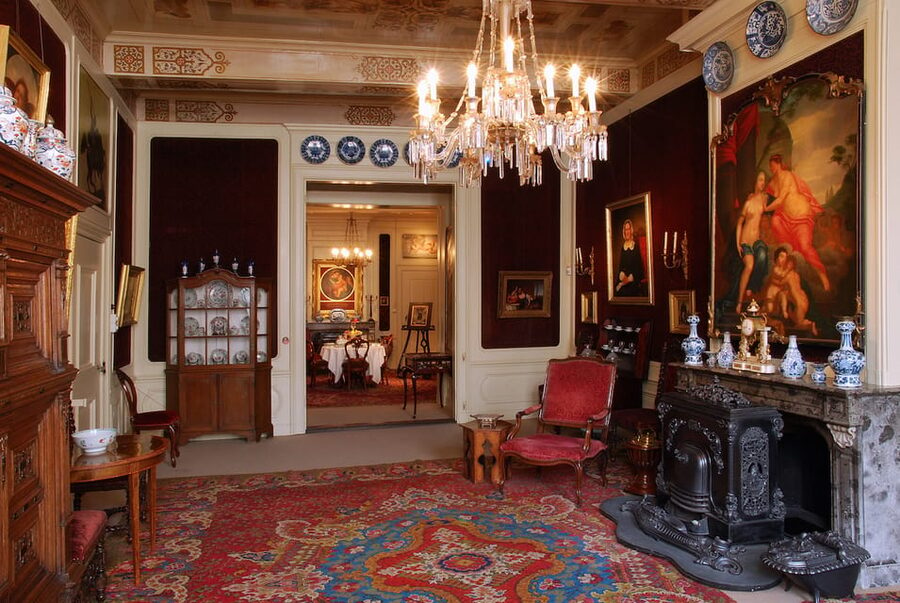
A real treat here is that the museum includes a studio space with Tetar’s personal possessions. This is not just a gallery-style “look, but do not touch” layout in spirit. You get a chance to understand the daily side of creativity, and how an artist’s collecting habits could overlap with work and study.
Next to that, the library is a strong second stop. You can see a collection of antique books, which makes the museum feel less like decoration and more like research. Tetar’s interests in art and antiques were not random. The library reinforces that he treated knowledge like something you build over time.
My advice: treat these rooms like they are chapters. In the living areas, you learn taste and social presence. In the studio and library, you learn method and curiosity. Switching between those modes keeps the visit from feeling like one long glance at pretty things.
Delft blue and Far East porcelain cabinets: what to focus on
You come to Delft for Delft blue for a reason, and this museum uses that theme smarter than a lot of souvenir shops do. Tetar was a collector of Delft blue pottery and porcelain from the Far East, and the museum includes cabinets with extensive pottery and porcelain.
Here is what you should do while you look:
- Take your time with the shapes first, then the designs.
- Notice how porcelain and pottery are displayed like treasures, not like background objects.
- Look for the mix of local Delft blue with the imported Far East items, because that pairing is the whole point of Tetar’s collecting.
This is also where the value of the house museum shows up again. Instead of seeing a cabinet in isolation, you see it inside a personal world built by an individual. That makes the collection feel intentional, like it says something about curiosity and access during Tetar’s lifetime.
If you care about material culture, this section can be a satisfying hour even though the museum fits into a normal one-day plan.
So how long should you plan in Delft?
The ticket is valid for 1 day, and you will need to check availability to see starting times. Once you arrive, I recommend a relaxed pace. This is not a museum where you want to sprint room to room.
A practical rule of thumb: if you are the type who reads labels and actually looks at objects, set aside more time than you think you need. If you are the fast-scroll type, you will still get value, but you might miss the best parts, like the ceiling details and the way different rooms connect.
Also remember: food and drinks are not included. Plan a proper break either before or after, especially if you combine this visit with Delft walking time.
Price check: is $14 good value?
At $14 per person, this museum is priced like a focused cultural stop rather than a big-ticket attraction. That makes sense once you understand what you are paying for: an authentic 19th-century artist’s house that is preserved with contents, plus a clear collection focus (art, antiques, Delft blue, and porcelain).
I think the value comes from three things working together:
- The authentic setting. You are not touring a recreated apartment.
- The variety of categories in one place. You get paintings and portraits, a studio, a library, and pottery and porcelain.
- The visual payoffs that are hard to replicate elsewhere, like the Salon ceiling by Abraham Gips.
Yes, it is still a house museum. You are paying for fewer square meters than a large museum. But in this case, the smaller footprint feels deliberate. The place is built to be understood room by room.
Who will like Paul Tetar van Elven’s museum the most?
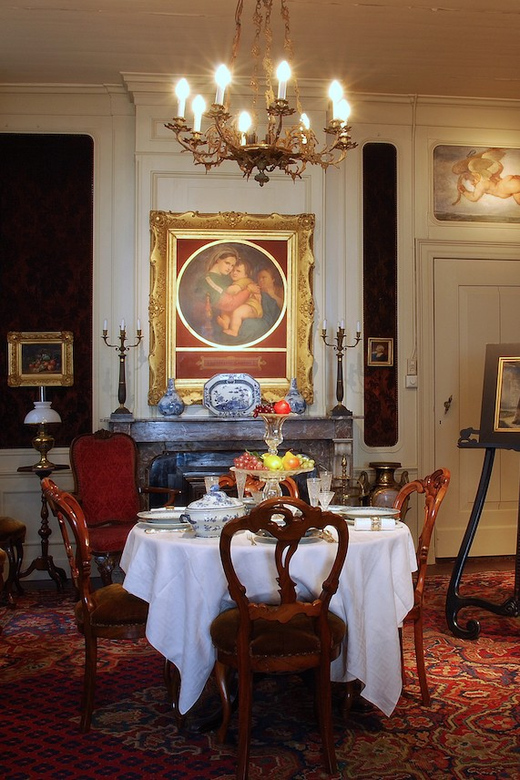
This fits best if you enjoy any of these:
- Art and craft, especially when objects are connected to a real person’s life
- Delft blue and porcelain collections
- House museums and interior design details
- A slower pace, where you notice ceilings, books, and display cabinets
I would not put it at the top of your list if you only have a few hours in Delft and you want purely outdoor views, because it is primarily an indoor experience. It is also best when you plan to look closely. This place rewards attention, not speed.
My decision guide: should you book?
Book it if you want something more specific than another canal photo. This museum gives you a preserved artist’s home and a clear collecting story, from the painted Salon ceiling by Abraham Gips to the cabinets of Delft blue and Far East porcelain. The guide or host interaction in English or Dutch can also turn the visit from quiet browsing into a more satisfying understanding of Tetar’s tastes.
Skip or deprioritize it only if you dislike house museums or you need lots of outdoor activity built into your day. Otherwise, $14 for an authentic 19th-century artist’s house with original furnishings and multiple focused collections is a very reasonable deal.
FAQ
What is the location of the Paul Tetar van Elven Museum?
It is in the centre of Delft, on the Koornmarkt, in South Holland, Netherlands.
How much is the ticket for the museum?
The price is listed as $14 per person.
How long should I plan to visit?
The experience is listed as 1 day.
What is included with the ticket?
Your ticket includes entry to the Museum Paul Tetar van Elven.
Are food and drinks included?
No, food and drinks are not included.
What languages are available?
English and Dutch are listed.
Is there a host or greeter?
Yes, a host or greeter is included, and they are listed as speaking English and Dutch.
Can I cancel and get a refund?
Free cancellation is available up to 24 hours in advance for a full refund.
More Museums in Delft
- Royal Delft: Delftblue Factory and Museum
★ 4.6 · 588 reviews - Delft: Vermeer Centrum Delft Museum Entry Ticket
★ 4.6 · 189 reviews - Royal Delft: Delftblue Factory and Museum Admission Ticket
★ 4.5 · 145 reviews - Vermeer Centrum Delft Museum Admission Ticket
★ 4.0 · 45 reviews
Latest Delft reviews
- Get the best out of Delft by creating memories during our private walking tour!★ 5.0 · 15 reviews
- Kinderdijk Windmills and Delft Small-Group Tour from Amsterdam★ 5.0 · 21 reviews
- Private Day Tour: Rotterdam, Delft & The Hague From Amsterdam★ 5.0 · 22 reviews
- e-Scavenger hunt Delft: Explore the city at your own pace★ 4.5 · 26 reviews
- Private Walking Tour of Delft: Dive into the Dutch Golden Age★ 5.0 · 33 reviews
- Rotterdam, The Hague, Delft Private Tour from Amsterdam★ 5.0 · 44 reviews
- Rotterdam, Delft and the Hague Day Trip from Amsterdam★ 4.5 · 55 reviews
- Visit the Girl with the Pearl Earring, The Hague & Delft City★ 5.0 · 63 reviews
Canal Cruises, compared.

Amsterdam Luxury Canal Cruise + Unlimited Drinks & Bites option
Read our review →
Heated Canal Cruise with Unlimited Drinks & Bite
Read our review →
75 Minute City Canal Cruise with Audio Guide
Read our review →
City Centre Canal Cruise including Audioguide
Read our review →
Covered Canal Booze Cruise with Unlimited Drinks
Read our review →
City Canal Cruise and Heineken Experience Ticket
Read our review →
Amsterdam Canal Cruise in Open Boat with Unlimited Drinks Option
Read our review →
Amsterdam Newest Canal Cruise with local guide and small group
Read our review →Browse the lists this tour appears in