
Reviewed · WALKING TOURS
From Haamstede to Burgh: guided Walking Tour
What makes this walk special is the way it mixes village history with coastal dunes in just about 2 hours. You move between Burgh and Haamstede, then shift from monuments and old village features to the Zeepeduinen and WWII bunkers, including the Walvisbunker. It is a smart sampler of this corner of Zeeland.
I really like that you are not just staring at buildings. You get context about how these twin villages developed, plus specific stops like the Carolingian Ringwalburg in Burgh and Slot Haamstede. Another plus: you actually get to see WWII structures up close, and the Hoge Duin viewpoints help the whole story land.
One consideration: the tour is in Dutch with a live guide, so non-Dutch speakers might not catch every detail. Also, it is not suitable for children under 5 or for people with mobility impairments.
Key highlights to look for
- Karolingische Ringwalburg in Burgh: A standout historical stop that anchors the story of the area.
- Slot Haamstede and village rings: You get the feel of both places as connected twin communities.
- Bewaerschole and old RTM station: Small-but-meaningful village details that you might otherwise miss.
- Zeepeduinen WWII bunkers (including Walvisbunker): Coastal history with real-world atmosphere.
- Hoge Duin views: The guide’s stories make the final viewpoints feel earned, not just scenic.
Why Burgh and Haamstede Work So Well in 2 Hours
Burgh and Haamstede are often experienced separately, but this guided walk treats them as a single, linked neighborhood of history. The route is short enough to stay energetic, yet it covers enough ground to make you feel like you actually learned the place.
The balance is the key. You start with village identity: rings, monuments, and landmarks tied to centuries of local life. Then the tour shifts to nature in the Zeepeduinen, where the history changes tone and turns more somber. The Hoge Duin viewpoint wraps it up with big sky and long sightlines, which helps you understand why people lived, built, and defended along this coast.
If you like tours that go beyond a photo stop, this one hits your sweet spot. A guide can point out what matters, explain why a feature exists, and keep the pace moving so you are not stuck in long stretches of sightseeing fatigue.
More walking tours in Netherlands:
- Amsterdam: Historic Walking Tour
★ 4.7 · 16 reviews - Amsterdam Anne Frank: Small-Group Walking Tour & Local Guide
★ 4.8 · 12,789 reviews - Anne Frank’s Story – Guided Walking Tour through Amsterdam
★ 5.0 · 11,619 reviews
Price, Duration, and What $18 Actually Buys You
At about $18 per person for 2 hours, this is a value play if you want guided context without paying for a full-day excursion. You are paying for interpretation and routing, not for entry tickets you might also have to buy separately.
Here is the practical way to judge it: you are getting multiple named stops, including two major historical anchors (Ringwalburg and Slot Haamstede) and a change of setting into the Zeepeduinen for WWII bunkers. That is more than the typical “quick highlights” walk that only grazes the surface.
Also, the tour includes visits to the Carolingian Ringwalburg and the WWII bunkers, including the Walvisbunker. Those inclusions matter because a self-guided stroll would be harder to connect into a clear story in the same timeframe.
Meeting at the Fountain and Getting Ready for the Walk
Your meeting point is easy to find: wait at the fountain. The guide wears a white jacket with the Gidsendienst Zeeland logo. If you arrive a few minutes early, you can spot the jacket fast and avoid the awkward hunt-through-a-square moment.
The tour runs with a live guide in Dutch, so if you speak only basic Dutch, you will still get something from the visual cues and the group walking rhythm. But the deeper stories will land best if you can follow the language or keep an ear tuned to key names like Burgh, Haamstede, Ringwalburg, and Slot Haamstede.
The rules are simple: no pets and no smoking. Comfortable walking shoes are a must, and you should check the weather forecast before you go. Zeeland weather can be dramatic, and a windy dune setting means you will feel it.
Plan like a local and bring water and a snack. It is only 2 hours, but you will be outside, and you will appreciate a small break if the schedule runs a bit faster than you expected.
Burgh’s Village Rings and the Karolingische Ringwalburg
Burgh starts the story with a sense of structure. The guide directs your attention to the village rings, which are not just charming scenery. They reflect how communities shaped themselves over time, and they help explain why this area feels distinct.
Then comes the Karolingische Ringwalburg, a major historical stop in Burgh. Even if you are not a history nerd, it is the kind of place a good guide can turn into a lived-in explanation. You get a framework for understanding the early roots of where people organized land and settlements.
What I like about this early phase is the pacing. You are not thrown into the dunes immediately. First you build a mental map of Burgh. Once you understand the village pattern, the later natural setting makes more sense, because the route stops feeling random. It feels like you are moving through time, not just walking from point A to point B.
The tour also gives space for small details. Things like noticing older village elements matter because they become anchors later, when the guide ties together how Burgh and Haamstede function as twin villages.
Slot Haamstede, Bewaerschole, and the Old RTM Station
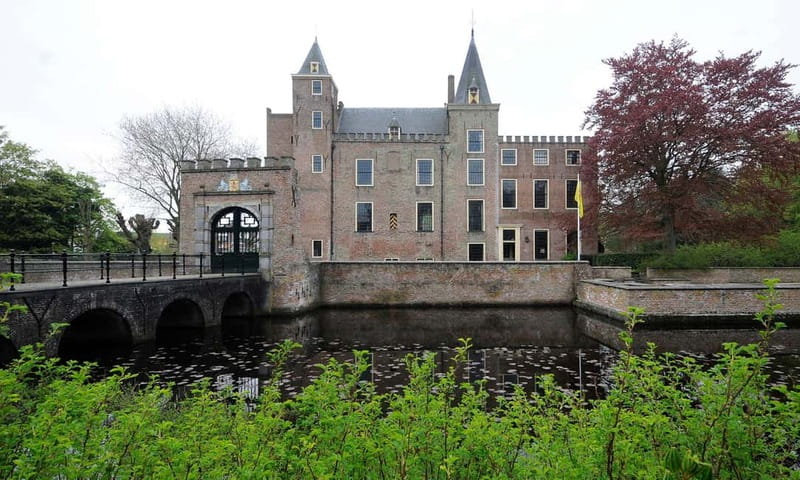
After Burgh’s early story, the walk shifts into the character of Haamstede. Slot Haamstede is one of the key “wow” stops, and the guide uses it to connect place to people. Castles and estates can sometimes feel like museum labels, but here the guide focus is on meaning in the local setting. You are not just looking at architecture. You are learning what role the landmark played in village life and regional identity.
Along the way you also hit smaller but memorable points. The tour includes the Bewaerschole, which may sound specific and odd, but that specificity is exactly why it is valuable. It is the kind of feature that often disappears from guidebooks because it is not a postcard icon, yet it tells you how local institutions supported everyday life.
Another stop that stands out is the old RTM station. Even if you do not know the letters at the start, you will understand why the guide brings it up. Transportation landmarks help explain movement, trade, and how villages linked to the broader region. When you see a station in context, it stops being an old building and starts acting like a story prop.
This segment also has a nice practical rhythm. You are walking between sights, so you are not sitting too long in one place. That keeps the group moving and helps you enjoy the area at human speed.
Zeepeduinen: WWII Bunkers on the Coast, Including the Walvisbunker
Then the tour turns, and it gets more intense. The Zeepeduinen section moves you into dunes where the atmosphere changes fast. Instead of village life and old structures, the guide shifts toward the Second World War and the realities of coastal defense.
You will see WWII bunkers, including the imposing Walvisbunker. The strong point here is that this is not just a “look from the path” moment. The tour includes a visit to the bunkers, and at least one guide-led experience people highlight is getting inside the Walvisbunker. That inside access is important because it helps you understand scale and design choices in a way photos never can.
At the same time, keep your expectations realistic. This part is a history walk through outdoor terrain. You will likely want to look carefully, follow the guide closely, and be ready for uneven ground in dune areas.
If you care about WWII sites, this is one of the better values in the region because it combines bunkers with earlier village context. It is not just about war infrastructure. It is about why these villages and this coastline mattered, and how the past sits in the same physical space where people now walk and take in the wind.
Hoge Duin Views: Where the Stories Land
The Hoge Duin viewpoint is the payoff. The guide uses it as a natural finishing point because height changes how you read the area. You can connect the dunes, the bunker locations, and the idea of coastal strategy and settlement in one sweep.
This is also where pacing matters. By the time you reach the viewpoint, you have already seen the village story, the landmarks, and the WWII structures. The view then becomes more than scenery. It becomes a map you can understand with your own eyes.
One of the best outcomes of a good guide is when the place stops feeling like random points on a route. You remember the names because you were taught what to notice. People have praised guides for sharing stories that bring the walk alive, and the Hoge Duin stop is where that often clicks.
Bring a camera if you can. A viewpoint like this turns photos from a souvenir into a memory tool. Even if you do not take many pictures, you will want at least a couple to anchor the experience later.
Who This Tour Suits Best, and Who Might Skip It
This guided walk is ideal for you if you enjoy places that feel lived-in, not staged. It is also a good fit if you like a moderate pace and want a mix of heritage and nature without committing to a full day.
It is especially suitable if you want to understand the twin village relationship between Burgh and Haamstede, because the route is designed to teach that connection rather than treat the area as separate stops.
On the other hand, it is not suitable for:
- Children under 5
- People with mobility impairments
If you are traveling with older kids, the tour may work better than it does for very young children, but the cutoff is still strict for under 5. If mobility is a concern, you should choose something that matches your walking limits and offers fewer uneven sections.
Language is also a real factor. Since the guide speaks Dutch, plan for that. I would not treat it as a passive experience where you can tune out language and still get everything. The stories are part of the value.
Small Details That Improve Your Day
A few practical tips make a noticeable difference on this kind of walk.
First, wear shoes with solid grip. Dune terrain can be a bit unpredictable, especially after a wet spell. Second, bring a water bottle. Even a short outing can feel longer when the route includes dunes.
Third, show up ready to listen. This tour is structured so the guide’s explanations matter at multiple stops, from Carolingian-era context to WWII bunker design and the reason the Hoge Duin viewpoint is a fitting finale.
Finally, if you happen to get a guide like Wilbert, you are in for a memorable style of storytelling. One person specifically praised Wilbert for knowing a lot and leading them to the Walvisbunker. You might not get the same guide every time, but the lesson is clear: a strong guide makes the difference between seeing sites and understanding them.
Should You Book This Burgh-Haamstede Guided Walk?
Book it if you want real context in a short time. For the price, you get a guided route that connects twin-village heritage, village details like Bewaerschole and the old RTM station, and a powerful WWII component in the Zeepeduinen. The Hoge Duin viewpoint helps the whole narrative land.
Skip it if:
- You need an English-speaking guide, since the tour language is Dutch
- You cannot handle a walking tour on uneven outdoor terrain
- You are traveling with a child under 5
If your ideal day is part history, part outdoors, and a guided pace that keeps you moving, this is a strong choice. It is the kind of tour that helps you walk away with names you actually remember, not just a stack of photos.
FAQ
How long is the Burgh to Haamstede guided walking tour?
The tour lasts 2 hours.
How much does the tour cost?
It costs $18 per person.
Where do I meet the guide?
Meet at the fountain. The guide has a white jacket with the Gidsendienst Zeeland logo.
What language is the guided tour?
The tour is guided in Dutch by a live guide.
What is included in the tour price?
The tour includes the guided walk, visits to the Karolingische Ringwalburg, the Zeepeduinen, and WWII bunkers including the Walvisbunker.
Are entry tickets included?
Entry tickets are not included.
Latest Netherlands reviews
- Zeeland Strand safari met visnet NL/DE★ 4.9 · 45 reviews
- Zeeland Zeehonden strand safari NL/DE★ 4.5 · 58 reviews
- Amsterdam: Historic Walking Tour★ 4.7 · 16 reviews
Walking Tours, compared.
Absolutely Amsterdam – the Essential Introductory Walking Tour
Read our review →
Amsterdam Highlights Walking Tour: Small Group Experience
Read our review →

Browse the lists this tour appears in