Reviewed · TOURS
Groningen: Battlefield tour
Groningen is one of those rare places where a WWII story does not live only in a museum. You can still see the physical traces of the April 1945 battle as you follow the route of the Canadian advance.
I especially like having Joël Stoppels, a battlefield guide in the International Guild of Battlefield Guides (badge 70). I also like the very practical printed maps, plus period photos and objects from 1945 that turn street names into something you can picture.
One thing to weigh is that this is a walking, street-level route through the city. Even though wheelchair accessibility is listed, it is also marked as not suitable for people with mobility impairments, so it’s smart to confirm first.
Key things I’d bet on in this Groningen battlefield tour
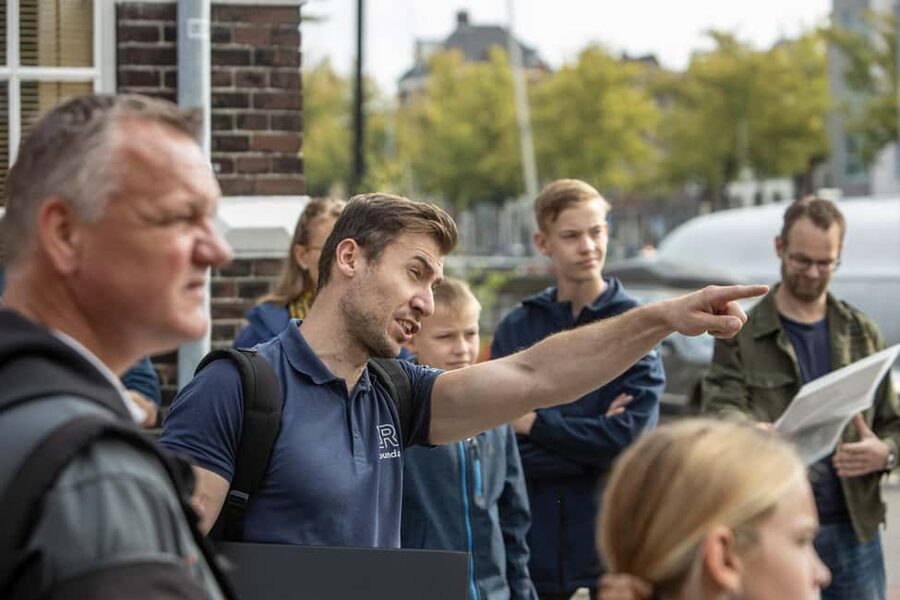
- A guide with Guild credentials: Joël Stoppels, badge number 70, leads the route.
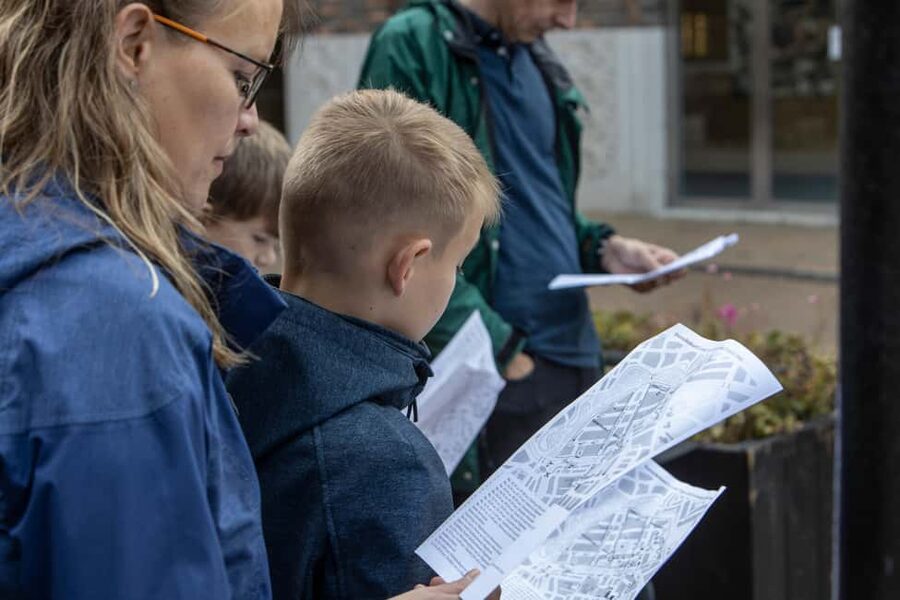
- Printed maps during the tour so you can track the Canadian advance step by step.
- Original 1945 photos and objects that make the battle feel less abstract.
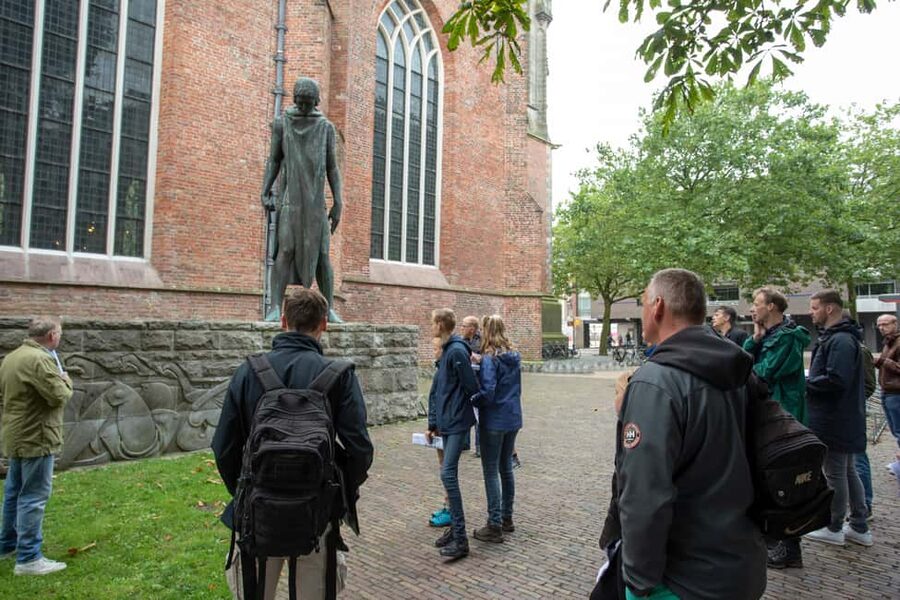
- You still see wartime remnants along the way, not just explanations on a board.
- A tight storyline from liberation on April 13 to the end of the battle on April 16.
Why Groningen’s April 1945 battle still lands today
This tour focuses on a moment that was both dramatic and brutally local. On April 13, 1945, soldiers of the 2nd Canadian Infantry Division began liberating Groningen, even as German forces held the city under the idea of Festung Holland, commanded by General Johannes Blaskowitz.
What makes this story hit is how urban it was. The fight in Groningen was not a quiet, open-field battle. It became street by street, alley by alley, and house by house under heavy fire, and the city paid in buildings and lives.
By April 16, when the German commander surrendered, the battle was over. But the damage was already there: the Grote Markt, once the city’s heart, was left in ruins, and more than 270 buildings were destroyed. The cost is sobering too, with 43 Canadian soldiers and 110 civilians losing their lives in those days.
If you like history that has a street address and a visible footprint, Groningen in 1945 offers exactly that.
Other Netherlands outings people put beside this one:
- Zeeland Zeehonden strand safari NL/DE
★ 4.5 · 58 reviews - Zeeland Strand safari met visnet NL/DE
★ 4.9 · 45 reviews - Amsterdam: Historic Walking Tour
★ 4.7 · 16 reviews
Meeting Joël Stoppels and getting oriented fast
You meet at De Martinitoren, and then you start from the Grote Markt area. Even before you reach the first key location, that opening matters. De Martinitoren gives you a clear mental anchor in the city, so you are not wandering with only general impressions.
The biggest quality here is the guiding. Joël Stoppels is not just a lecturer on a schedule. The tour format makes room for questions, and the guiding style is described as friendly and open. One of the most praised aspects is that he personalizes the experience, taking time to get to know the group first, then connecting details to what matters to you.
That personalization is not fluff. In a battle tour, the difference between a good explanation and a memorable one is whether you can follow it. When the guide answers your questions and adjusts examples, the route stops being a list of facts and becomes a story you can track.
You also get printed maps during the tour. That’s a small detail with big value, because it lets you follow the exact advance route of the Canadians instead of guessing where you are in the bigger picture.
Starting at the Grote Markt, where the city shows the battle
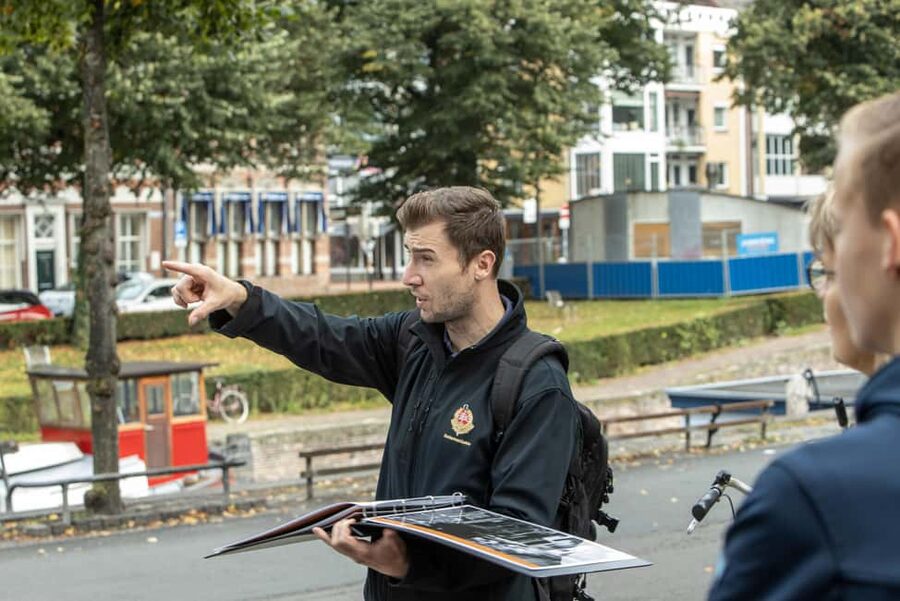
The route begins at the Grote Markt area, and it’s a powerful opening because you are starting in the part of Groningen that took a direct hit. The battle impact there was extreme. The Grote Markt was left in ruins, and the fighting around it symbolized how completely the battle reshaped daily life.
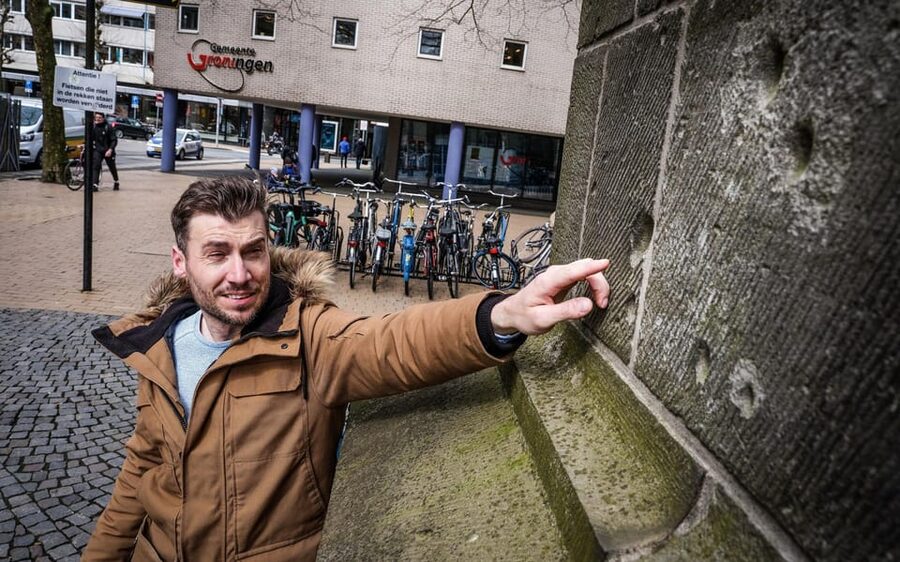
As you walk, the tour keeps pointing you to places where the wartime damage is still visible. That is not about horror-movie drama. It’s about learning to read a city the way locals did after 1945, noticing scars in architecture and remembering that streets can change meaning when war redraws what stands where.
This is also where you begin connecting dates to movement. The story starts with April 13 and the Canadian push into the city. As the route unfolds, those dates stop being calendar entries and become a sequence of actions, pauses, and advances.
Possible drawback at this stage: if you want a purely museum-style experience, a street walk can feel too “on the move.” But if you accept that the city is the exhibit, the Grote Markt start gives the tour its emotional weight.
Following the Canadian advance toward the Zuiderdiep
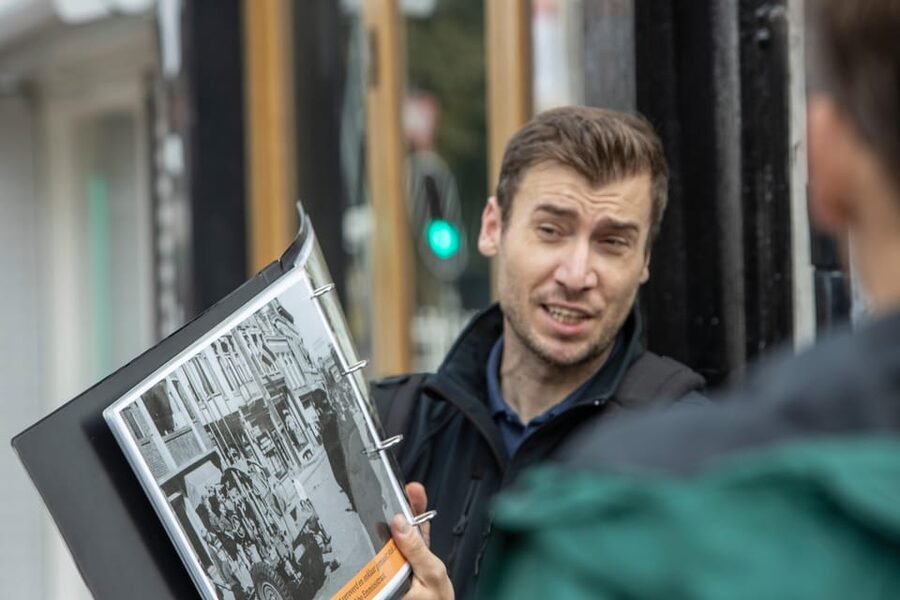
A big part of what you are doing here is tracking direction and momentum. The tour follows the Canadian advance as they push toward the Zuiderdiep and then toward the Grote Markt, using that movement to explain why certain areas mattered.
In practical terms, the guide uses the printed maps so you can see the route, not just hear it. That makes it easier to understand how battles in cities do not happen in a straight line. Urban combat forces decision-making on corners, crossings, and chokepoints. You can feel that logic when the guide links your position to the Canadian progress.
You’ll also be seeing how the tour treats evidence. The guide presents impressive photos and objects from 1945, plus detailed maps. For many people, photos alone help. Objects help even more because they turn the story into something tangible, like you are handling a piece of the same time period, not just reading about it.
One of the best values here is that you’re not just learning what happened. You’re learning how the battle unfolded across space, which is the only way a city route makes sense. Without that, “liberation” can turn into a vague caption. With it, you start to picture the pace and the grit of the advance.
Not the right fit? Netherlands also runs these:
- Wemeldinge: Oosterschelde Sailing Trip with Skipper – 3 hrs
★ 4.8 · 5 reviews - From Haamstede to Burgh: guided Walking Tour
★ 4.5 · 5 reviews - Zeeland Wild Oyster Picking Tour with drink and BBQ
★ 5.0 · 3 reviews
The Grote Markt story: ruins, numbers, and real scale
As the route returns toward the Grote Markt, the tour deepens into what the battle meant for Groningen. The key facts are blunt and important: more than 270 buildings were destroyed, and the central space was among the worst hit.
What I like about this approach is that it does not hide behind big numbers. You get the scale, then you get the locations. You can stand in a place that used to be part of the city’s “normal,” then hear what it cost in damage and lives.
The tour also connects the battle arc to the wider wartime setting. The German defense was linked to Festung Holland, with General Johannes Blaskowitz in command. That context helps you understand why the fighting became so stubborn and prolonged, because the Germans were not just defending Groningen as a local town. They were holding a larger idea of how the front should hold.
The human toll is part of this chapter too. The battle resulted in 43 Canadian soldiers and 110 civilians killed over those intense days. If you are the kind of traveler who wants to honor the seriousness, this is where the tour earns respect.
Ending at Sint Jansstraat State Archives, and the moment it turns
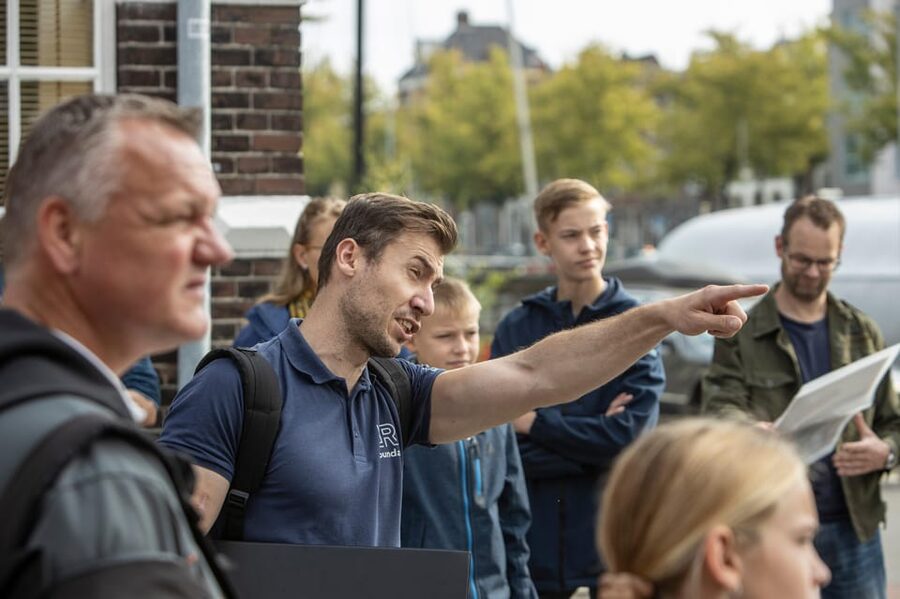
The tour concludes at the former State Archives in the Sint Jansstraat. That ending point is not random. It ties to the final phase of the fighting, when German forces were ultimately surrounded.
Ending here gives you a clear “therefore” at the end of the story. Earlier, you are learning how hard street fighting was, how the Canadians advanced and how the city changed under fire. Near the end, the story tightens: April 16 marks the end of the battle as surrender comes, closing the four-day urban struggle.
You finish with the sense that you’ve followed a route that had an outcome. The tour doesn’t just stop when the walk ends. It closes the historical loop at a location tied to the surrounding of German forces.
This is also a good place to ask questions. Because the route is short, you do not want your biggest questions to appear too late. If you have an interest in how urban battles end, or how command decisions translate to street fighting, this is a practical moment to bring it up.
Photos, objects, and maps: what makes it feel authentic
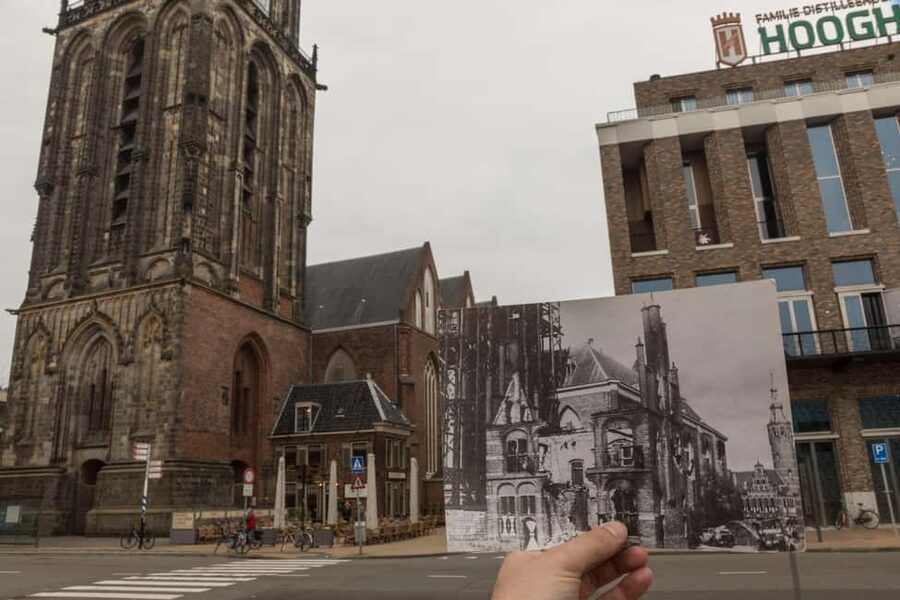
A WWII battlefield tour can easily become a talking tour with a few photo overlays. This one avoids that by using three concrete tools that work together.
First, you have the printed maps that show the exact advance route of the Canadians. Maps do something subtle: they turn walking into navigation. You stop thinking you’re just passing through places and start understanding the geography of the battle.
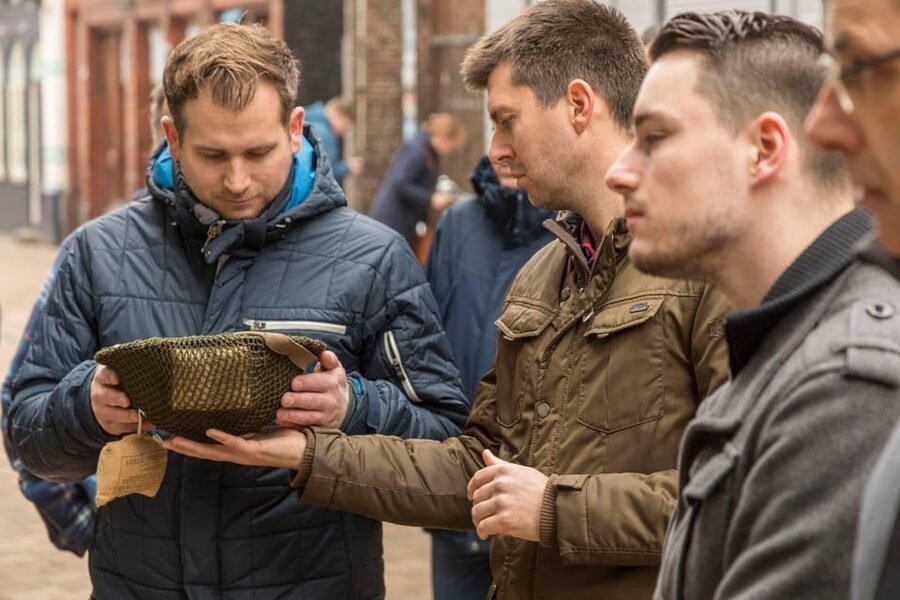
Second, the guide presents photos and objects from 1945. These are not just decorative. They support the story with evidence from the same period, which helps you keep the timeline and the details straight. When you see period material while standing where events unfolded, your brain naturally connects the dots.
Third, the tour leans on what you can still see today. Remnants of wartime damage are still visible along the way. That’s not an extra. It’s the core reason a city like Groningen can deliver a battle tour that feels real without needing a big museum building.
From a traveler’s point of view, this trio matters. It means you do not have to be a WWII expert to get value. You can follow along, ask questions, and leave with a route in your mind, not just a blur of facts.
Price and value: when $171 per group can be a bargain
The price is listed as $171 per group, up to 25 people, for a tour lasting 2 hours. That means the value depends on how many people are in your group.
If you fill more of that group cap, the effective cost per person drops fast. For example, with 25 people you’re roughly at about $7 per person. With 10 people, you’re roughly at $17 per person. For a private guided route with maps and period materials, that can be very reasonable.
It’s also worth thinking about what you’re paying for. You are not paying for bus transport or museum entry. You’re paying for expert guidance, including route-specific maps and the ability to stand at meaningful locations in the city and understand them.
One potential drawback: if you go solo or as a very small group, the price is still per group, not per person. You might feel it more. If you are traveling as a couple or a small friend group, it can still be worth it if you strongly prefer guided storytelling tied to exact places.
Time on the streets: 2 hours that move quickly
The tour length is 2 hours, which is long enough to follow a real storyline but short enough that you won’t need to plan an entire day around it.
That time constraint shapes the experience. You get a route with a beginning at the Grote Markt area and an ending at Sint Jansstraat. You also get enough background to understand why April 13 to April 16 mattered, including the April 16 surrender and the high casualty numbers. But it stays focused, meaning there is not time for a long detour into broader WWII topics.
This is a plus if you like your history tight and location-based. It’s a consideration if you want a deeper, museum-like treatment of everything connected to WWII.
Also note what is not allowed: audio recording is not permitted, and alcohol and drugs are not allowed. If you use a phone to record everything, plan to rely on notes and memory instead.
Who should book this Groningen battlefield tour
This is ideal if you want a guided, place-based view of WWII, not just a generic walking loop. It’s also a strong fit if you care about the Canadian side of the liberation and want to follow that advance toward the Zuiderdiep and the Grote Markt.
If you like guided conversations, you’ll probably enjoy this. The guide is described as open to questions and friendly, and that matters a lot on a tour where you might wonder why certain streets were important.
It also suits school groups, sports clubs, companies, or defense groups, where a structured route and a serious topic benefit from a professional guide.
The less ideal fit: if you have mobility limitations, you should treat this as potentially unsuitable, since it is marked as not suitable for people with mobility impairments. Since the listing also says wheelchair accessible, your best move is to confirm route details with the provider before committing.
Should you book it?
I think you should book this tour if you want to understand Groningen’s April 1945 liberation with route maps, period photos and objects, and a guide who can tailor the experience to your group. The combination of visible wartime remnants and a clear storyline from April 13 to the surrender on April 16 makes it feel grounded.
If you are visiting Groningen for a short stay and you want one history experience that is specific, this is a strong choice. And if you enjoy asking questions, Joël Stoppels’ style is a major reason to go.
One practical tip: plan to bring your curiosity, not your need for recordings. Audio recording is not allowed, so be ready to listen, ask, and take quick notes during the 2-hour walk. If your schedule is flexible, you can cancel up to 24 hours in advance for a full refund, which makes it easier to take the risk if you are comparing options.
FAQ
How long is the Groningen Battlefield tour?
It lasts 2 hours.
Where do I meet the guide?
You meet at De Martinitoren.
What language is the tour offered in?
The live guide offers Dutch and English.
Is audio recording allowed?
No, audio recording is not allowed.
What is included in the tour?
A live guide and printed maps are included, so you can follow the Canadians’ advance route.
What is not included?
Coffee and tea, transport, and any museum entrance fees are not included.
Is the tour suitable for people with mobility impairments?
It is marked as not suitable for people with mobility impairments.
Latest Netherlands reviews
- Zeeland Wild Oyster Picking Tour with drink and BBQ★ 5.0 · 3 reviews
- Wemeldinge: Oosterschelde Sailing Trip with Skipper – 3 hrs★ 4.8 · 5 reviews
- Zeeland Strand safari met visnet NL/DE★ 4.9 · 45 reviews
- Zeeland Zeehonden strand safari NL/DE★ 4.5 · 58 reviews
- From Haamstede to Burgh: guided Walking Tour★ 4.5 · 5 reviews
- Amsterdam: Historic Walking Tour★ 4.7 · 16 reviews
Tours, compared.
Zaanse Schans, Edam, Volendam & Marken Bus Tour
Read our review →
Big Bike tour Amsterdam – See all in 3 unforgettable hours
Read our review →
Guided Zaanse Schans, Windmills & Cheese Tour
Read our review →
Windmill Tour from Amsterdam, Including Volendam & Marken
Read our review →
Amsterdam Food and Cultural Tour with Tastings
Read our review →