
Reviewed · MUSEUMS
The Hague: Prison Gate Museum
The Prison Gate Museum in The Hague is interesting because you’re standing in a building that shifted roles over centuries, from gateway to courthouse and prison. I like how the museum anchors Dutch history in real stone and real cells, and I also like its location by the Hofvijver, which makes the visit feel like part of the city, not a detached stop. One thing to keep in mind is that this is a self-guided visit, so you will have to follow the story at your own pace instead of getting live explanations.
Inside, I’m especially drawn to the way it centers on famous prisoners such as Johan and Cornelis de Witt and connects them to the court and punishment system of the time. The museum also shows centuries-old prison spaces and includes instruments used for torture and punishment, which can be heavy subject matter. If you’re sensitive to that theme, plan your mood going in and take breaks when you need them.
Key highlights before you go
- Medieval gateway turned prison and courthouse with links to the Binnenhof and the Hof van Holland
- De Witt brothers connection, including the murder linked to this site
- Centrally placed on the Hofvijver, so you can easily pair it with other nearby sights
- Real prison cells where suspected criminals waited and defaulters were held
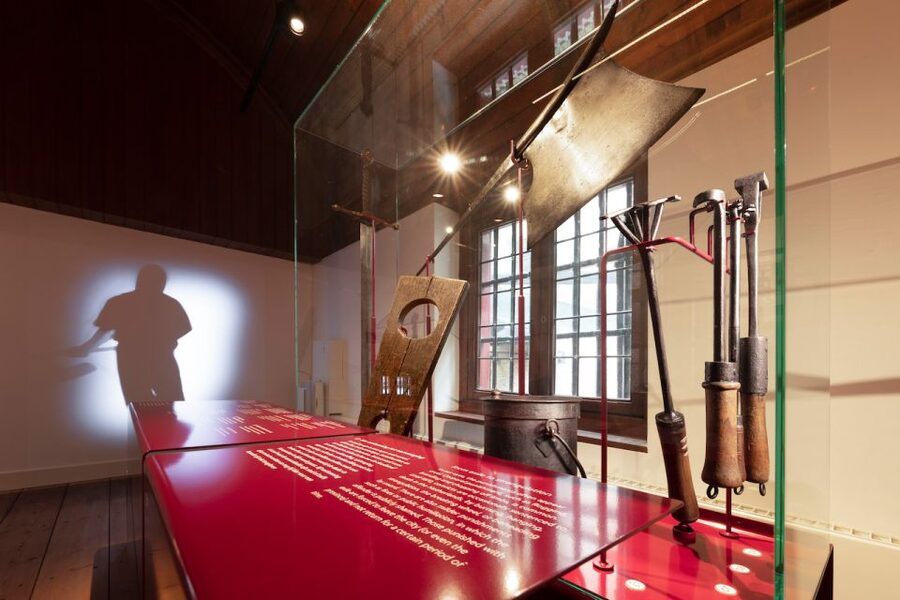
- A national collection of torture and punishment instruments
- Included basics like entry ticket, Wi-Fi, and a wardrobe
Prison Gate Museum on the Hofvijver: why this stop hits hard
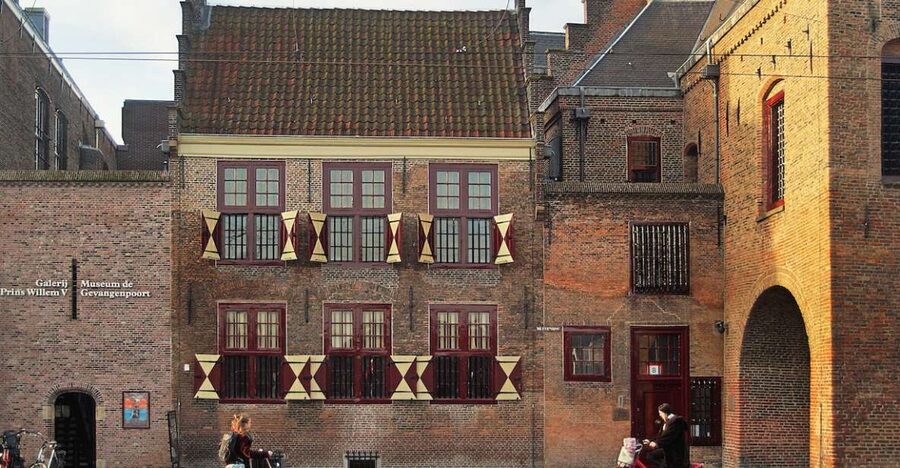
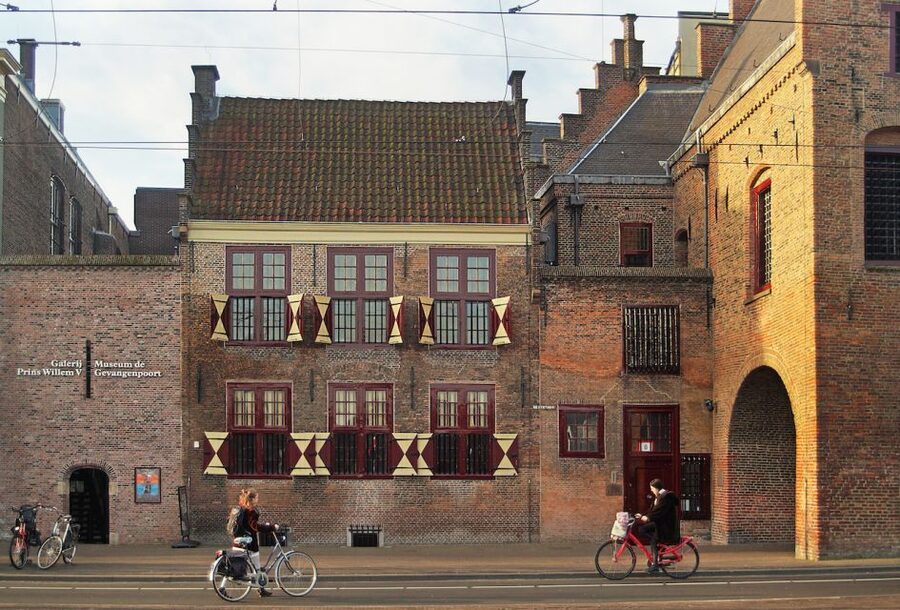
The Rijksmuseum de Gevangenpoort, the medieval Prison Gate, is the kind of place where history feels physical. You’re not looking at a timeline behind glass. You’re walking through a structure that once controlled who entered the political heart of The Hague and, later, who was locked away while justice played out.
I love that the setting supports the subject. Being by the Hofvijver means the museum doesn’t feel cut off from daily life. You can arrive, take in the building and its atmosphere, and then step back into the normal rhythm of the city when you’re done. That matters because the themes inside can be intense.
There’s also a strong storytelling angle. Even without a live guide, the museum is built to help you answer the questions that make this kind of history meaningful: who was imprisoned, how verdicts were handled, and how punishment worked in practice.
More Museums in The Hague
- The Hague: Escher in The Palace Museum Ticket
★ 4.6 · 896 reviews - Royal Delft: Delftblue Factory and Museum Admission Ticket
★ 4.5 · 145 reviews - Vermeer Centrum Delft Museum Admission Ticket
★ 4.0 · 45 reviews
From 13th-century gateway to Hof van Holland justice
The story starts with the building’s original job. In the 13th century, this gateway formed the imposing entrance to the Binnenhof. That’s important, because it means the site wasn’t designed for anonymity. It was designed for power, movement, and control at the center of government.
Later, the building’s role changed. It became part of the prison and courthouse system of the Hof van Holland. This is where the visit becomes more than architectural sightseeing. You’re learning about how the same stone that once framed entry to government also framed confinement, waiting, and judgment.
The museum explains how suspected criminals had to wait for their trial there, and how defaulters could be imprisoned. It also pushes you to think about fairness and class. Was there a difference between poor and rich prisoners? Where did they hear their verdict? What punishments were given? Those questions are the backbone of a good museum experience, and this one organizes its displays around them.
Johan and Cornelis de Witt, and why their story lingers
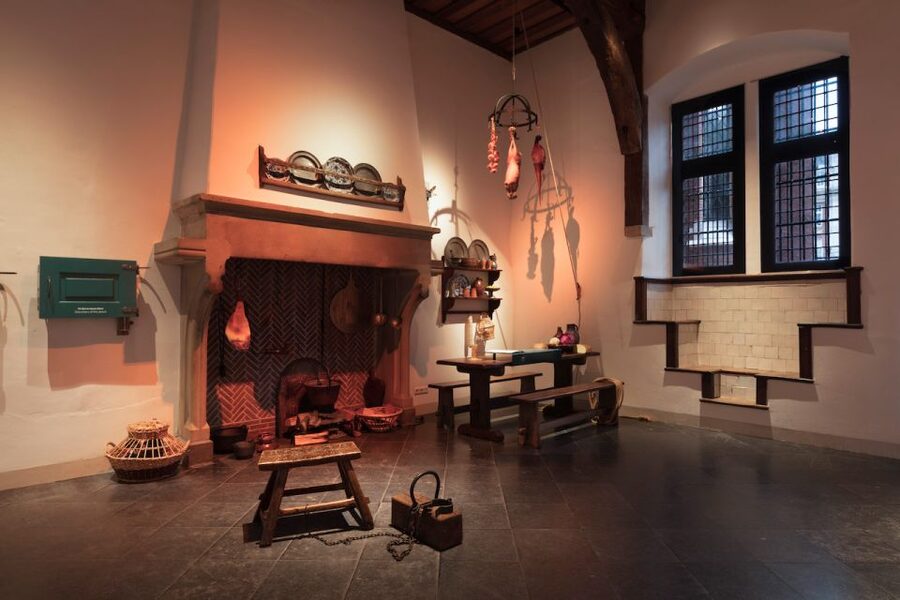
One of the most powerful parts of the museum is the connection to famous Dutch figures, especially Johan and Cornelis de Witt. They were imprisoned here, and the site is also tied to the murder of the De Witt brothers.
This matters because names make history easier to hold onto. You’re not just reading about an abstract criminal justice system. You’re seeing how that system intersected with major political events. The museum’s focus on these figures helps you connect the prison story to the broader national story.
I also like the way this kind of anchoring changes your experience of the building. When you see prison cells after learning who was held there, the space feels more immediate. Even if you don’t stay long, the impact can last, because the building becomes a character in the story instead of a backdrop.
Prison cells: what it teaches about everyday confinement
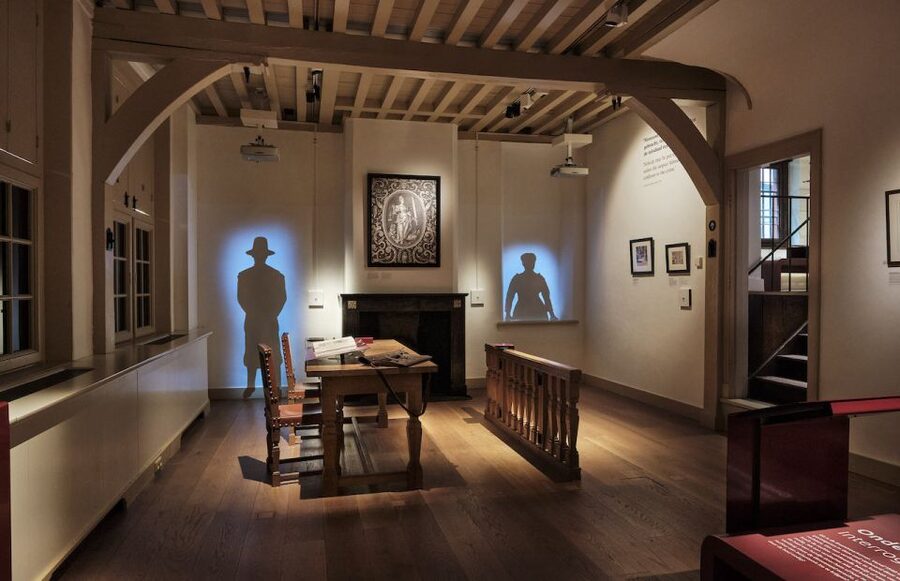
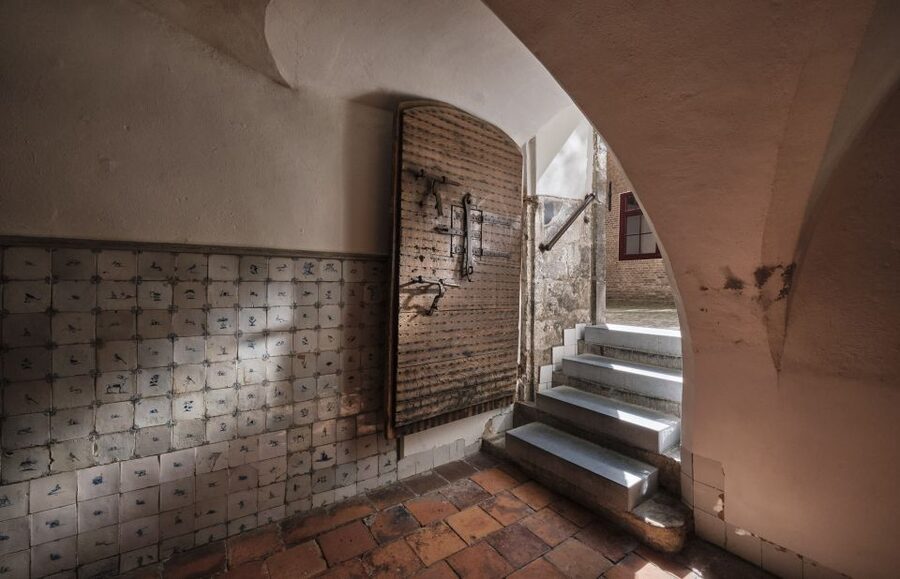
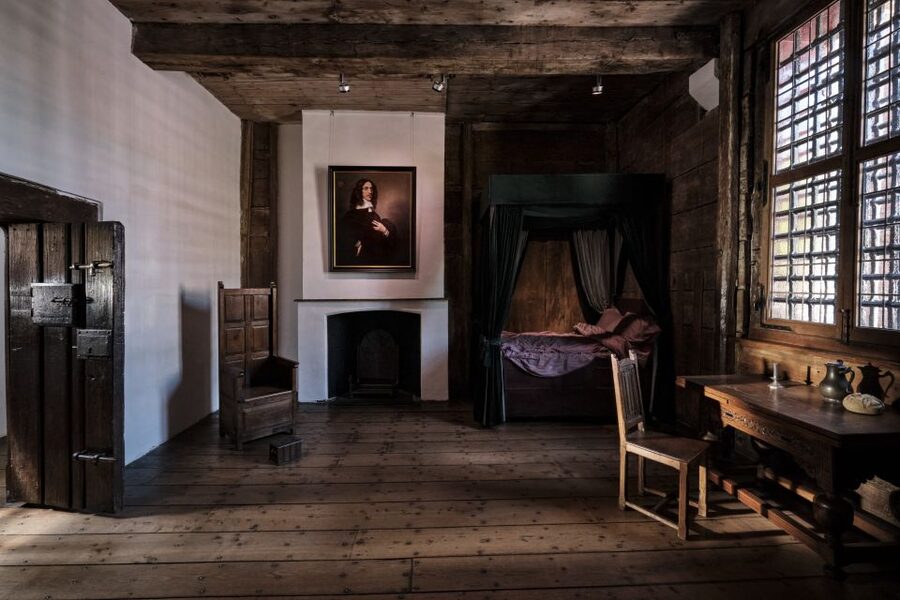
The museum’s core experience is the prison cells themselves. You get to discover these centuries-old spaces and understand how imprisonment operated.
What I like most is the museum’s approach to practical questions. You don’t only get dates and background. You get prompts like: in which cells were people held, did prisoner status change what happened to you, and where would a verdict have been heard? That turns the visit into problem-solving. You start looking for clues in how the exhibits are arranged and how the story is told.
Also, the museum is built around the idea that crime and punishment weren’t abstract concepts. They were daily realities with systems, locations, and procedures. When you walk from cell space to cell space, you get a clearer picture of how waiting, trial, and punishment fit together in that era.
Not the right fit? The Hague also runs these:
- The Hague: Mauritshuis Entrance Ticket
★ 4.7 · 2,706 reviews - The Hague: Madurodam Miniature Park Entry Ticket
★ 4.6 · 1,559 reviews - The Hague: The Pier SkyView Ticket with Drink and Snack
★ 4.4 · 1,398 reviews - The Hague: Hop-on Hop-off Heritage Tram Tour
★ 4.5 · 1,311 reviews
Torture and punishment instruments: confronting the display
Yes, you will see torture and punishment instruments. The museum includes a national collection of these tools, and it also shows instruments connected to how prisoners were tortured.
I won’t sugarcoat it: this is the part of the visit that can feel the most unsettling. If you’re going to the museum with a friend or family member who is easily affected, agree ahead of time on pacing. Take your time, but don’t force yourself to rush through the heavier rooms just to “get it over with.”
At the same time, it’s also where the educational value sharpens. These displays communicate how punishment was imagined and carried out, not just how the legal system sounded on paper. When you understand the tools, you also understand why prison was a deterrent and why justice felt different than what we expect today.
If you want a more balanced visit, pair this theme with the earlier context about courts, trials, and the idea of verdicts. That gives the “why” behind what you’re seeing, instead of treating the exhibits as isolated shock-value objects.
A self-guided museum day: how to make it work without a live guide
This activity is without a guide. That means you’re responsible for creating your own flow through the museum story. The good news is that the museum format is designed for visitors to explore and learn on their own.
Here’s how I would approach it so you don’t miss what matters:
- Plan a full hour or two inside, even if you think you’re a fast reader. The museum is about layers, not just quick facts.
- Pay attention to the story questions the museum raises, like differences between poor and rich prisoners and how verdicts happened.
- Give the cells and instruments separate attention. If you mix everything together in one mental blur, the experience loses impact.
Another practical detail that helps: your ticket includes Wi-Fi and a wardrobe. Wi-Fi can be handy if you want to look up context on the fly while staying in the building. The wardrobe is useful if you show up with a jacket or day bag and want a calmer visit.
Because you’re self-guided, it’s smart to go in with a simple goal. For example, decide you want to understand one storyline from start to finish, such as how courts and verdicts worked, then focus on the cells that connect to that part.
What you get with your ticket, and what you need to plan around
The price is listed as $18 per person, and the total visit is framed as a 1-day experience. You’re not buying a long multi-day pass. You’re paying for access to a specific, high-impact museum built around one very meaningful site.
Value here is not just about “seeing objects.” It’s about the combination of:
- a major historic monument (the medieval Prison Gate),
- the setting tied to government and justice (Binnenhof, Hof van Holland),
- and the educational focus on crime, trial, imprisonment, and punishment.
What’s included is entry ticket, Wi-Fi, and a wardrobe. What’s not included is food and drinks, and a guided tour.
That matters for planning. If you’re visiting around a meal time, grab something before or plan to step out after your museum visit. Since food and drinks are not included, don’t assume you can easily buy a full meal on site and then continue.
How to connect this with a broader The Hague day
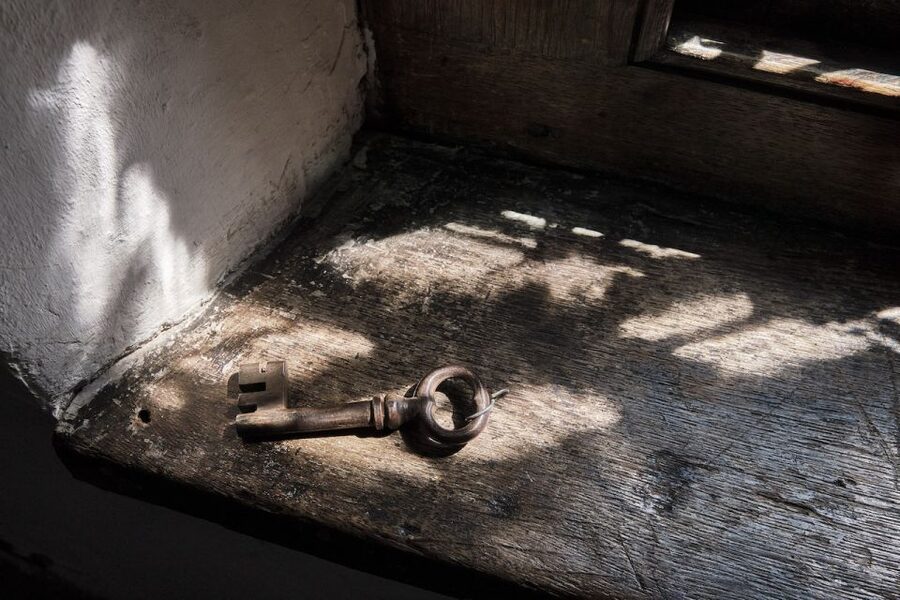
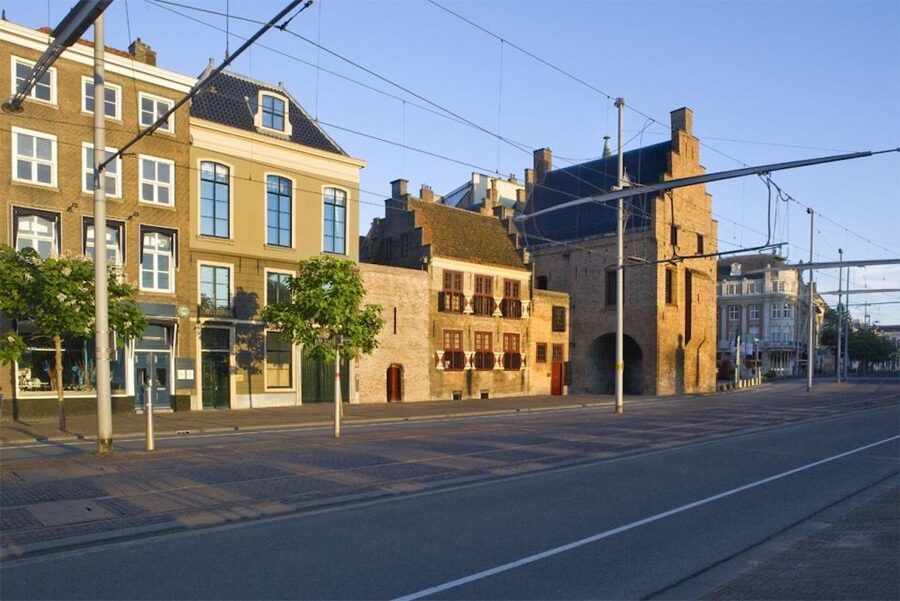
This museum sits in a spot that makes it easy to build a day around central The Hague. It’s beautifully situated by the Hofvijver, which is the kind of location that lets you go from museum to city walk without complicated transfers.
Because the subject matter is heavy at points, I like pairing it with lighter breaks outside the building. Think of your day as: take in the museum, then let the city reset your mood. If you want to deepen the context, you can also plan to spend time in the area where the Binnenhof sits, since the museum’s story starts there with the original gateway role.
If you like meaningful architecture and political history, you’ll probably feel satisfied even if you don’t stack a ton of stops. The Prison Gate Museum is focused. You can do it well and still enjoy the rest of the day.
Price and value: is $18 a fair deal for this kind of site?
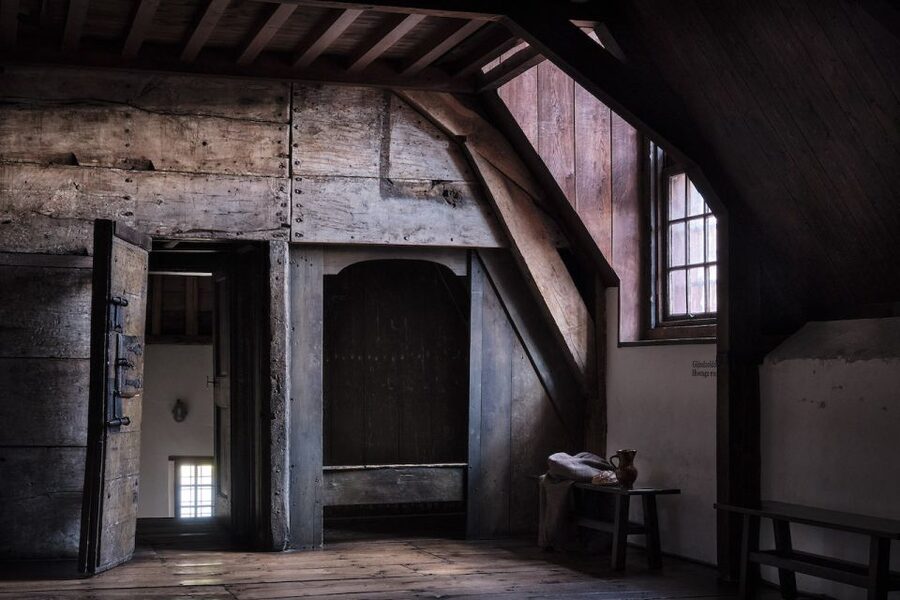
$18 per person can seem straightforward until you compare what you’re actually paying for. Here, the value comes from the building itself and the way the museum uses it.
You get access to:
- a medieval landmark tied to the political center of The Hague,
- prison cells connected to famous Dutch political figures like Johan and Cornelis de Witt,
- and a serious educational focus that includes instruments used for torture and punishment.
Also, the museum is designed so you can follow the story without a live guide. That keeps it flexible. You can spend more time where you’re curious, and less time where you’re not.
If you strongly prefer expert narration, you might feel the lack of a guide. If you’re comfortable exploring on your own, the price makes sense for a focused, high-impact visit.
Who this visit suits best
This is a great match if you like:
- history that’s tied to real places and not just documents,
- political history in a tangible setting,
- and museums that ask you to think through how trial, imprisonment, and punishment worked.
It can also be a strong choice for curious solo travelers who don’t want to coordinate with a group. The included wardrobe and Wi-Fi are small perks, but they make the experience smoother.
It might be a less comfortable fit if torture and punishment instruments are hard for you to handle. The museum does present those tools, and that’s central to what it teaches.
Should you book the Prison Gate Museum in The Hague?
I think it’s worth booking if you want a concentrated dose of Dutch legal and political history in a real medieval building. The museum’s connection to major figures like the De Witt brothers, plus its focus on cells and on the system of trial and punishment, makes this more than a quick photo stop.
I would book it especially if you prefer self-guided learning and want control over your pacing. If you know you need a live guide to process darker material or to explain context, then consider whether a guided alternative might fit you better.
FAQ
How much does the Prison Gate Museum cost?
The price is listed as $18 per person.
How long does the experience take?
It is described as a 1-day experience.
Where is the museum located?
It is in The Hague, South Holland, Netherlands, and it is situated by the Hofvijver.
Who was imprisoned at this site?
The museum highlights historic figures such as Johan and Cornelis de Witt.
Is a guided tour included?
This activity is without a guide, and a guided tour is not included.
What is included in the ticket?
The ticket includes entry, Wi-Fi, and a wardrobe.
Is food and drinks included?
No. Food and drinks are not included.
Is free cancellation available?
Yes. You can cancel up to 24 hours in advance for a full refund.
Latest The Hague reviews
- Get the best out of Delft by creating memories during our private walking tour!★ 5.0 · 15 reviews
- The Hague Walking Tour★ 4.5 · 16 reviews
- Discover The Hague’s scenic courtyards in an Outside Escape game!★ 4.0 · 16 reviews
- Royal The Hague Private Guided Walking Tour★ 4.5 · 21 reviews
- e-Scavenger hunt Delft: Explore the city at your own pace★ 4.5 · 26 reviews
- The Hague Private Walking Tour with a Local★ 4.0 · 29 reviews
- Private Walking Tour of Delft: Dive into the Dutch Golden Age★ 5.0 · 33 reviews
- The Hague: Private Boattour up to 10 persons★ 4.9 · 37 reviews
Museums, compared.

Moco Museum Amsterdam Entrance Tickets with Banksy & More
Read our review →

Amsterdam’s Weirdest Museum: Ripley’s Believe It or Not!
Read our review →



Browse the lists this tour appears in