
Reviewed · HISTORICAL TOURS
Small Group LGBTQ+ History Tour in Amsterdam
Amsterdam can feel like a postcard, but this tour is interesting because it uses the city itself as a time machine. I love the small-group size that keeps questions easy and the walking pace human. I also love how the stories connect LGBTQIA+ life to real places you can still stand in today. One possible drawback: this is mostly outdoors and it needs decent weather, so plan for layers if you book in cooler months.
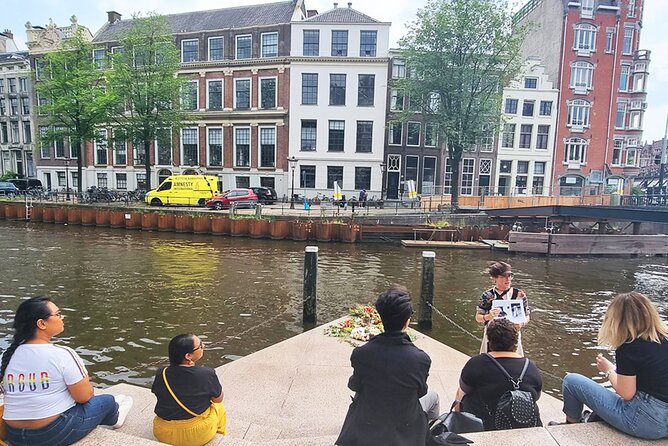
You’ll go at a steady, story-first pace for about two hours, led by a local guide who works like a storyteller and history fan. The tour starts at Utrechtsestraat 4 and ends on Torensluis bridge, by the Multatuli sculpture, so you finish in a lively area that is easy to keep exploring on your own.
Key reasons to book this Amsterdam LGBTQIA+ history walk
- Max 8 people means you get a real conversation, not a lecture with headphones
- All stops are free-entry (so you are paying for the guide, not add-on admission)
- English-only tour (ideal if you want clarity without relying on translation)
- You cover centuries of LGBTQIA+ history, not just one era or one theme
- You see parts of central Amsterdam that many visitors skip
- The ending point on Torensluis is a good springboard for your next walk
Why Amsterdam’s queer past lives in street corners and canals
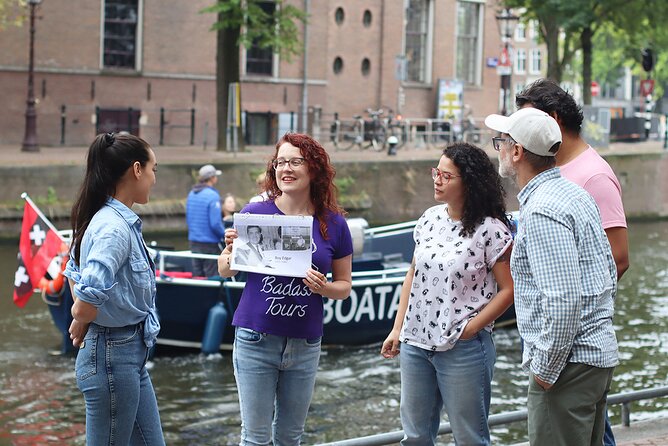
This tour works because Amsterdam does not hide its contradictions. It has grand buildings and quiet backstreets side by side. You also get a version of the city where identity, power, and survival are not abstract. They show up in what people built, where they gathered, and how authorities responded.
What I like about this kind of walking history is that it makes you look up. You start noticing the setting for each story, even when the story is messy or intense. And when you finish, you will not just remember facts. You will recognize places that carry meaning, long after the tour ends.
The best part for me is the mix of the personal and the political. Some stops focus on love, community, and public change. Others deal with fear, state violence, and the long effort it took to be seen as legal and equal. If you are a history buff, it gives you story threads across time. If you are new to LGBTQIA+ history, it gives you a clean entry point without feeling dumbed down.
More Historical Tours in Amsterdam
- Amsterdam Food and Cultural Tour with Tastings
★ 5.0 · 4,315 reviews - Amsterdam: Historic City Centre Canal Cruise
★ 4.3 · 659 reviews - Amsterdam: Haunted History and Ghost Walking Tour
★ 4.5 · 488 reviews
Small-group pacing, the start and finish, and what to expect in two hours
The tour runs about two hours and caps at eight people, which matters more than it sounds. With a group that size, the guide can slow down for questions, react to what interests you, and adjust the pace if someone needs a breather.
You meet at Utrechtsestraat 4 (1017 VN). That is a practical starting zone because it is central and you are not stuck at some far-off edge of town. The tour ends on Torensluis bridge (1012 VK), by the Multatuli sculpture. I like end points that feel like a real neighborhood rather than a dead-end. Torensluis is a bridge and a crossing, so it naturally invites you to keep moving after the last story.
You also get a mobile ticket, which is easy for a day of walking. It is the kind of detail that saves time, especially if you are juggling museums and canal cruises. And because it is offered in English, you should not have to worry about understanding the main points.
One practical note: the experience needs good weather. That does not mean it becomes cancelled at the first cloud. It does mean you should dress like you are walking outside for a while. One guest described a cold, wet, windy Friday morning, and you will feel that kind of reality if you show up in thin layers.
Rembrandtplein: a nightlife center with royal and legal shocks
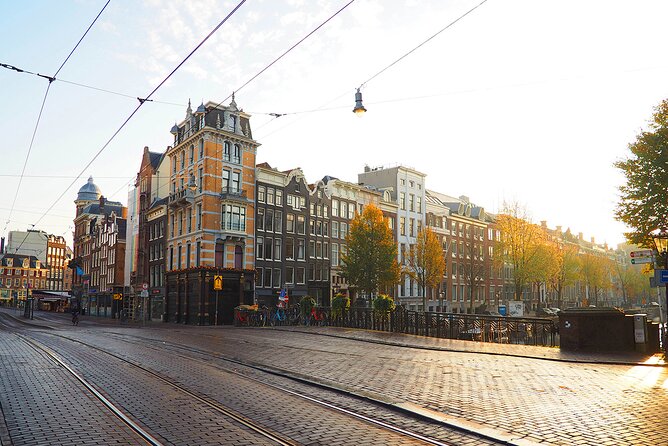
Your first stop is Rembrandtplein, which is a strong choice because it is easy to picture as a hub. The guide starts with a fast overview of Amsterdam, then pivots to LGBTQIA+ stories in the heart of the nightlife center.
Expect stories like a married king who had affairs with men. That alone is a good reminder that queer life historically was not always about underground secrecy. In high places, it could be both hidden and powerful at the same time.
The other big takeaway here is the claim that Amsterdam saw the world’s first legal gay marriage. That is the kind of headline that makes you want to know how a city got there. Even if you already thought you knew the broad timeline, you will probably come away thinking about laws, public life, and cultural acceptance as a long chain, not a single event.
What makes this stop especially valuable is pacing. You are not thrown into the deepest detail right away. You get bearings first, then the guide connects those bearings to how people lived and loved near the city’s most visible public spaces.
Potential drawback: because this is a public square, it can feel busy. If you dislike crowds, plan to listen closely and accept that you are sharing space with normal life.
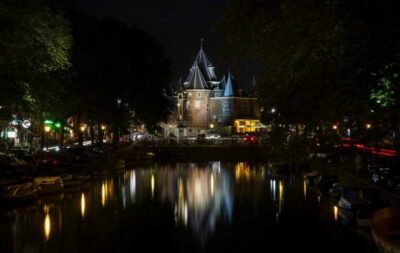
Munt Tower (Munttoren): trying to protect friends from state violence
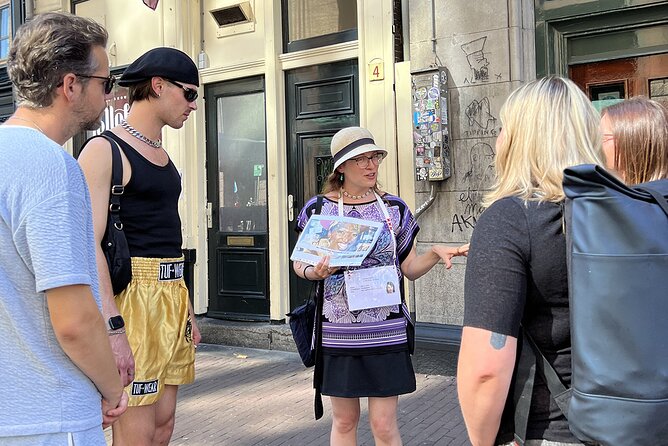
Next you move to Munt Tower (Munttoren), where the tone shifts. This is where the tour shows you that protection was sometimes dangerous, and allies could be at risk too.
You will hear how a shopkeeper tried to protect friends in the face of state violence. That kind of story does not just add color. It gives you a lens for the whole tour: survival and solidarity were real, and they often cost something.
This stop is also a reminder that history is not always made by famous names. You get everyday people making moral choices under pressure. In a city that is often described through art and canals, this is a sharper, more human slice.
Small consideration: the theme here is heavier. If you are looking for a lighter outing, this is not the place to skip the tough parts. But if you want the full picture, it is a strong moment.
More history tours in Amsterdam:
- Amsterdam High-End Dutch Food & History Tour – Up to 8 guests
★ 5.0 · 482 reviews - From Amsterdam: Volendam Heritage & Cheese Half-Day Tour
★ 4.4 · 461 reviews - Amsterdam: Historic City Sightseeing Canal Cruise
★ 4.5 · 444 reviews - Amsterdam: Historical Highlights Walking Tour with Tasting
★ 4.6 · 381 reviews
Koningsplein: a name tied to LGBTQIA+ history and secrecy by the church
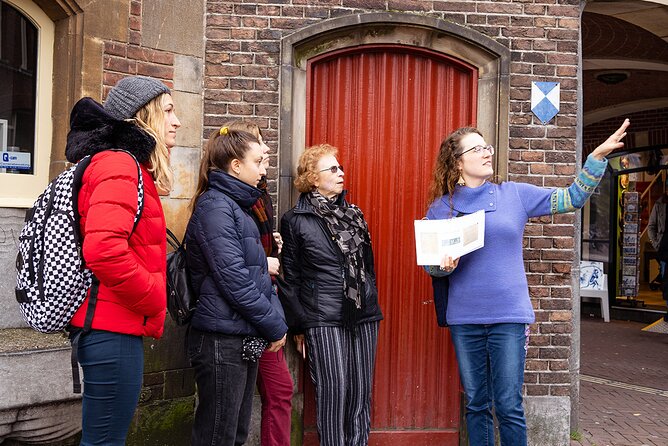
At Koningsplein, you get another shift in tone, and another kind of power. Here the story connects a familiar name to LGBTQIA+ history, and it highlights how the Catholic church tried to keep it hidden.
This is valuable because it shows that censorship was not only political. It could be religious too, and it could involve controlling what the public was allowed to know.
Even without going into a long lesson, the guide uses the location to make the point. Places in central Amsterdam are not neutral. They were shaped by institutions that could encourage acceptance in some ways while enforcing silence in others.
You may find yourself thinking about how many city landmarks carry layers. A name that feels normal to you might have meant something entirely different in another era.
Potential drawback: this stop is short. If you want maximum detail on this topic, you might leave wanting more sources. The good news is that the tour gives you a starting thread you can follow later on your own.
Emperor’s Canal (Keizersgracht): the Pope of the Gays, a love triangle, and legal cover
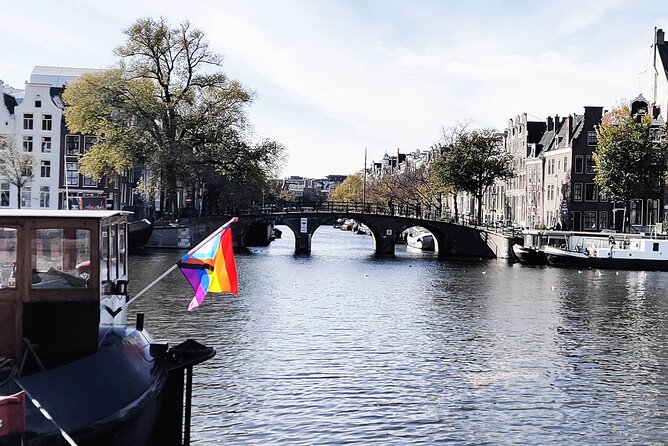
Then you’re on Emperor’s Canal (Keizersgracht), and this is where the tour starts to feel like Amsterdam itself is gossiping.
You will hear wild stories, including the Pope of the Gays, and you’ll also get a 17th-century literary lesbian love triangle. That combination is the fun part, but it is also the instructive part. Literature and reputation mattered. People negotiated identity through culture and writing, not only through laws.
The canal stop also includes a story about a pompous doctor who may have accidentally helped lesbians gain legal cover. Even if you take the may have cautiously, the underlying point is solid: social change can come from unexpected places. Sometimes systems shift because of the people who create documents, write medical opinions, or interpret what counts as acceptable.
Why a canal matters here: canals slow you down. You naturally look across the water. You see the edges of the city as built space, not just background. That helps the stories feel like they happened in a real environment, not just in a textbook.
Practical tip: bring patience for distractions like joggers, bikes, and canal-side activity. The stories are the focus, so keep your attention on the guide while the background keeps doing its normal thing.
Gay Monument: celebration, mourning, and honoring a lesbian hero
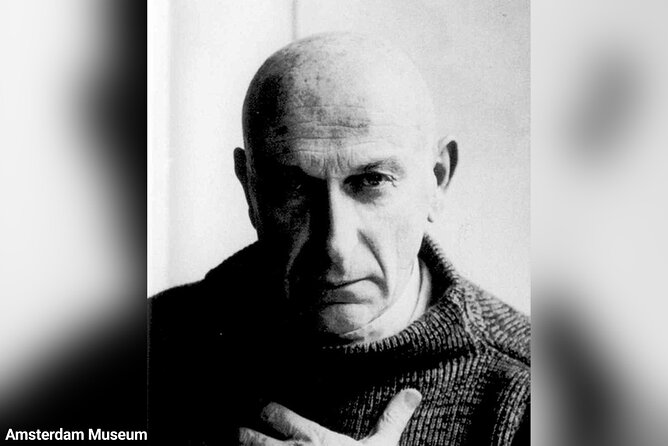
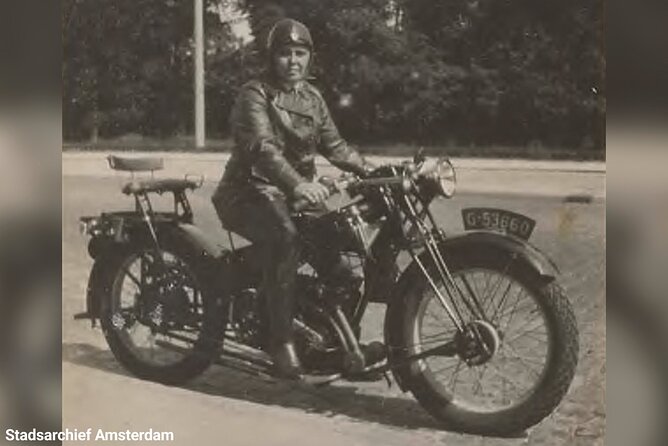
At the Gay Monument, the mood is different again. Since its unveiling, it has been a place of celebration and mourning for Amsterdam’s LGBTQIA+ community.
This matters because it shows how history does not only live in the past. It keeps working in the present. Monuments are signals. They tell you what a society chooses to remember, and they also offer space for grief when memories are still painful.
The tour uses the stop to celebrate a badass lesbian hero, which is a helpful framing. It prevents the monument from turning into only politics or only sadness. You get a person-centered story that feels like it belongs to real human courage.
If you are the type of traveler who likes quiet reflective stops, this is usually the right moment. It is also a strong chance to take a photo, since you have something meaningful to frame.
Potential drawback: depending on timing and foot traffic, it may be harder to get the quiet moment you want. I would still prioritize listening first, then snap pictures after.
Herengracht: queer Resistance fighters in a canal house setting
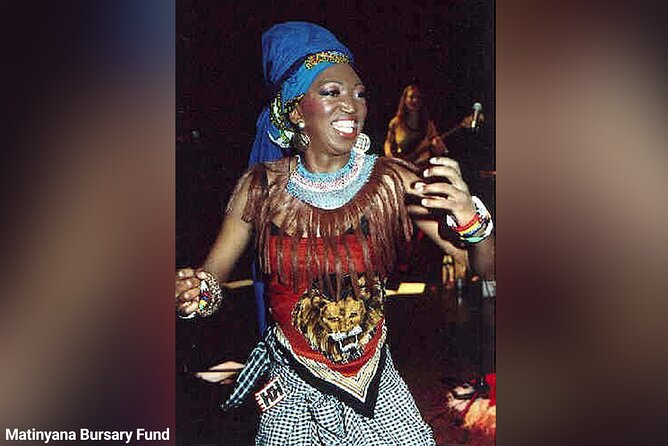
On Herengracht, the tour turns toward the queer Resistance. You’ll hear about queer Resistance fighters who worked in an inconspicuous canal house.
That phrase, inconspicuous, is the lesson. Resistance often required blending in. You do not always need a dramatic scene to change history. Sometimes you need a place that looks ordinary enough that no one suspects it is part of the plan.
This stop also adds emotional variety. So far you have heard about nightlife, laws, and public recognition. Resistance stories bring the stakes into sharper focus. It is not just about being allowed to exist. It is about protecting people, sharing risk, and acting when the consequences are real.
A practical plus: because the building and street front is calmer than a major square, you can usually focus more clearly on the guide’s narration.
Torensluis: a trans soldier in the militia and the surprise of the ending message
The tour ends at Torensluis, by the Multatuli sculpture. The closing story is the trans soldier who served in Amsterdam’s 18th-century militia.
I like this ending because it refuses to make the tour about one kind of LGBTQIA+ story. You get legal history, community visibility, religious pressure, and then a military context. It expands your idea of where queer people fit in the historical record.
Also, ending at Torensluis on a bridge is a smart travel design. You have a clear finish line, you can grab directions or transit easily after, and the geography makes it easy to keep moving through the city without feeling stuck.
If you are the sort of person who likes to know how a tour wraps up, this ending lands with purpose. You do not just leave with information. You leave with a reminder that identities and roles have always been part of how Amsterdam functioned.
Value and what you are really paying for at about $47
At $47.34 per person for about two hours, the price is fair because you are buying three things that are hard to recreate on your own: a focused route, a local storyteller guide, and the ability to get free entry at every stop.
The stops are described as admission ticket free, so you are not paying extra just to stand in front of a marker. You are paying for context, the connecting threads, and the way the guide turns place into story.
The small-group cap of eight is also part of the value. In a bigger group, you might only hear the main lines. Here, you are more likely to get personal clarifications, and you can ask questions without feeling like you are slowing the whole line.
Another value factor is language. If you are traveling in a country where you might not be fluent in Dutch, an English tour that still covers nuanced history is worth money. It reduces friction. You stay present and you can actually follow the narrative.
One note on expectations: this is not a full-day graduate seminar. It is a tight walk with a lot packed into a couple hours. If you love long museum-style time, you might want to pair this with one museum or one self-guided canal walk afterward.
Is this LGBTQ+ history tour the right fit for you?
I think this tour is a great match if you fall into any of these buckets:
- You want authentic, place-based history in central Amsterdam
- You like tours where the guide is a storyteller and the facts have a human voice
- You are traveling with friends or solo and want a small group that feels personal
- You want to see parts of the city you might overlook, especially beyond the typical photo stops
It may be less ideal if:
- You dislike outdoor walking in cold or wet weather, since the experience needs good weather
- You are expecting a long, extremely detailed lecture at each stop. The route is compact by design
Should you book this Small-Group LGBTQ+ History Tour in Amsterdam?
If you want a meaningful, efficient way to learn LGBTQIA+ history in Amsterdam, I would book it. The price makes sense for what you get, the group size helps you connect with the guide, and the story route covers far more than just one era.
My final advice: wear comfortable shoes and plan for weather, then go in ready to look at the city differently. By the end, you should feel you can walk Amsterdam with new eyes, not just new facts.
FAQ
How long is the Small Group LGBTQ+ History Tour in Amsterdam?
The tour lasts about 2 hours.
What is the group size limit?
The tour has a maximum of 8 travelers.
What language is the tour offered in?
The tour is offered in English.
What is the price per person?
The price is $47.34 per person.
Where does the tour start and end?
It starts at Utrechtsestraat 4, 1017 VN Amsterdam, Netherlands and ends on Torensluis, 1012 VK Amsterdam, Netherlands by the Multatuli sculpture.
Is there admission cost for the stops?
Admission tickets for the stops listed are free.
Is a mobile ticket provided?
Yes, the tour includes a mobile ticket.
What is included with the tour?
A local guide who is a storyteller and history fanatic is included.
Is the tour near public transportation and are service animals allowed?
Yes, it is near public transportation, and service animals are allowed.
What is the cancellation policy if weather is bad?
You can cancel for a full refund up to 24 hours in advance. The experience requires good weather, and if it is canceled due to poor weather you will be offered a different date or a full refund.
Latest Amsterdam reviews
- Amsterdam Private Prosecco Bike with Music Sound System★ 5.0 · 3 reviews
- Private Day Trip From Amsterdam to Rotterdam and Zaanse Schans★ 3.5 · 3 reviews
- The Best of Amsterdam: Private Full-Day Tour with a Canal Cruise★ 2.5 · 3 reviews
- 1 hour Amsterdam City Tour in Pedicab★ 4.5 · 3 reviews
- Amsterdam Walking Tour with Audioguide on Your Smartphone★ 3.5 · 3 reviews
- Bike Tour with Guide in Amsterdam★ 4.5 · 3 reviews
- Private tour (max 3 per) to Giethoorn & Canal ride from Amsterdam★ 3.5 · 3 reviews
- Concert at The Royal Concertgebouw – Amsterdam★ 5.0 · 3 reviews
Historical Tours, compared.

Amsterdam Food and Cultural Tour with Tastings
Read our review →
Kinderdijk UNESCO World Heritage Entry Ticket
Read our review →
Amsterdam High-End Dutch Food & History Tour – Up to 8 guests
Read our review →
Cruise through the Historic City Center with Guide
Read our review →Browse the lists this tour appears in