

Reviewed · SECOND WORLD WAR HISTORY
Medemblik: Second World War Museum Entry Ticket
The Medemblik Second World War Museum is interesting because it doesn’t treat WWII like one long, gray timeline. It splits the story into two clear viewpoints, military and civilian, then lets you follow the threads with tools like a Story Map and a Story Guide Booklet. I like the spacious setup for self-paced wandering, and I really like the 1940s-style Museum Café as a breather between heavy rooms. One thing to consider: if you want a hands-on, guided experience every minute, a basic entry ticket is mostly self-guided, with optional add-ons if you want more structure.
I also appreciate that this museum is designed for different interests and ages. The “village” approach on the civilian side can feel familiar and human, while the military side focuses on real operations that helped shape what came after. If you’re the kind of person who likes to read and connect details into a bigger picture, you’ll have a good time. If you only want quick, surface-level highlights, you may feel like you’re spending too long with documents and exhibits.
Plan on a solid chunk of time. The museum is about 3,000 m2, and an average visit runs roughly 1.5 to 3.5 hours, depending on how closely you read and how often you stop. On top of that, you can add a 15-minute ride in a real WWII truck for a small fee, which is fun and memorable if you like moving through history in a literal way.
Key things to know before you go
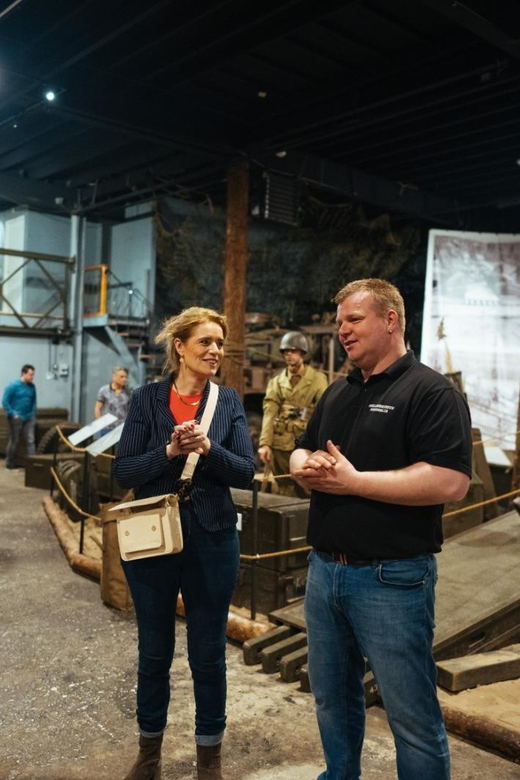
- Two exhibitions with a split focus, Road to Freedom (military) and Choices in Almersdorp (civilian)
- Story Map and Story Guide Booklet help you navigate without feeling rushed
- Museum Café in a 1940s style, so you can regroup mid-visit
- Optional real WWII Army truck ride for about 15 minutes, with a story stop at a monument
- English and German information, plus a host who can help in English, German, and Dutch
- Wheelchair friendly with seating space throughout the museum
Where Medemblik’s WWII Museum fits into your North Holland day

Medemblik is a calm corner of North Holland, and this museum gives you a “serious place with practical comfort.” You’re not just looking at a wall of photos. You’re moving through two large exhibitions, each built around a different side of the war, and then you get a chance to sit down in the Museum Café afterward.
The entry ticket is also straightforward. You follow the ENTREE signs on arrival and walk in, and the ticket includes skip-the-ticket-line access. There’s free parking right at the museum, which matters because you might spend more time than you think, especially if you like reading every story panel.
Timing-wise, it’s best to treat this as your main museum stop for the day. The average visit is listed at about 1.5 to 3.5 hours, but the museum is spacious and the story tools are meant for slower browsing. If you add the truck ride, you’ll likely want a bit more flexibility.
More Museums in Amsterdam
- Amsterdam: Van Gogh Museum Ticket
★ 4.7 · 52,054 reviews - Moco Museum Amsterdam Entrance Tickets with Banksy & More
★ 4.4 · 10,088 reviews - Amsterdam: Red Light Secrets Museum Entry Ticket
★ 4.2 · 5,722 reviews
Two exhibitions, two angles: Road to Freedom and Choices in Almersdorp
The core idea here is simple: WWII is not one story. It’s a pile of different decisions, risks, supply routes, and everyday realities that collide.
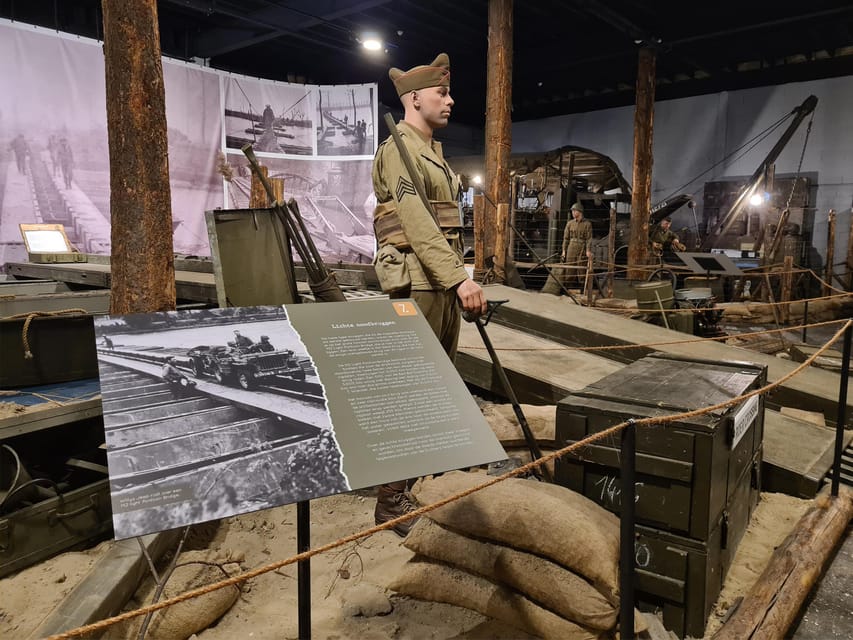
Road to Freedom is the military-focused exhibition. It’s about operations and missions that may be less famous in popular retellings, but were important for the outcome. You’ll see themes like logistics, emergency infrastructure, and risky planning that helped keep armies supplied and moving when the situation was dangerous and time-sensitive.
Choices in Almersdorp shifts to the civilian side. This is where the museum feels more like a remembered lived-in place. You’ll walk through a recreation of 1940s village life, with things like a grocery store, cozy café, house, printing house, classroom, and more. The museum describes it as especially rewarding for older visitors because it can bring back recognition. Even if you don’t have personal memories of that era, it’s a clear way to understand that war did not only happen on battle lines.
A practical consideration: these are content-heavy exhibitions. If you’re visiting with kids who need shorter attention bursts, choose a couple of story lanes to focus on first, then use the café and seating breaks to reset.
Road to Freedom: the logistics story you might not expect
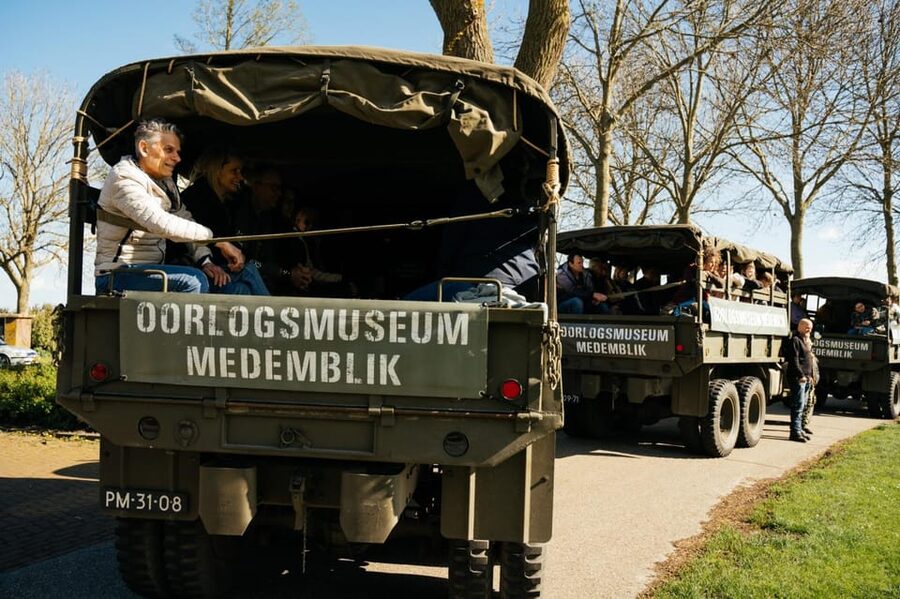
The military exhibition is built around “how did they actually make it work?” questions. One example highlighted in the museum concept is the logistics operation Red Ball Express, described as necessary to supply around 3 million soldiers for months. That’s the kind of detail that changes how you think about WWII. You’re not just watching action. You’re seeing how movement and supply systems affected the whole war.
Another striking theme is the creation of emergency bridges over rivers and canals when bridges were blown up by the Germans. The museum frames these as very risky and time-critical operations. It’s the sort of exhibit that makes you understand engineering and planning as part of combat, not as something separate from it.
How to make this section work for you: use the Story Map at your own pace. The museum specifically mentions it as a self-guided way to discover missions and stories needed on the road to freedom. That matters because otherwise it’s easy to wander randomly and miss the connections the museum is trying to teach.
Potential drawback: because it’s self-paced, you may end up spending more time than planned if you read carefully every story. If you’re short on time, skim once, then go back for the stories that genuinely grab you.
Choices in Almersdorp: civilian life as a full setting, not just background
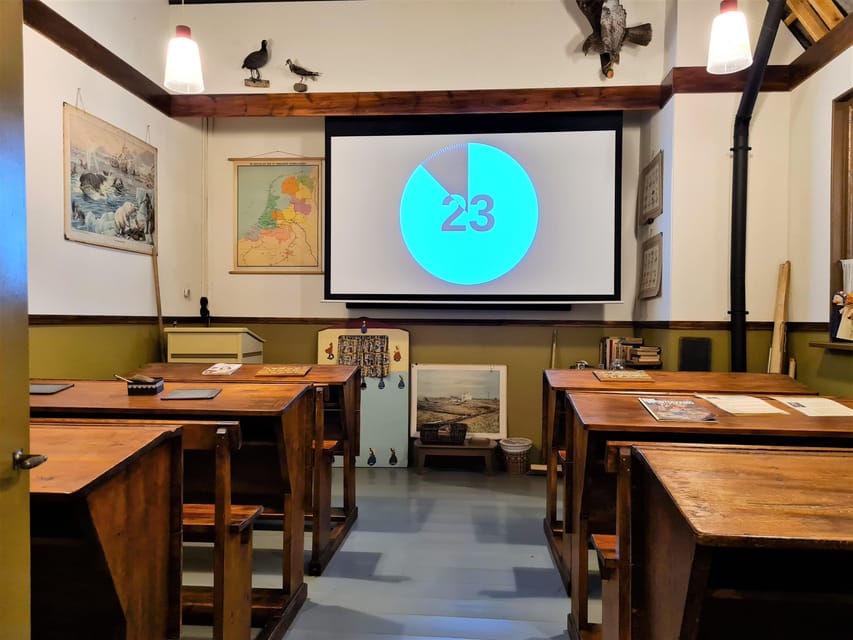
The civilian exhibition is structured like a village you can walk through. The museum describes it in detail: grocery store, cozy café, house, printing house, classroom, and more. That choice of rooms matters because it avoids the common trap of treating civilians as a generic backdrop.
This part of the museum is built around “choices.” It’s not only about what happened, but about what people had to do under pressure, and what options were available in ordinary spaces. When you see a classroom or a printing house in a recreated setting, you’re forced to think about communication, education, and everyday routines when everything around you is shifting.
The museum encourages you to use a Story Guide Booklet to walk the village at your own leisure. For me, this is the smartest way to avoid feeling lost. Instead of trying to read every panel, you follow the booklet’s prompts, then let the village setting make the context easier to understand.
Tip for families: break the village into two “zones.” Do the rooms that interest your group most first, then circle back. It keeps momentum and reduces the risk that someone gets bored halfway through.
Not the right fit? Amsterdam also runs these:
- Amsterdam: Heineken Experience Ticket including 2 Drinks
★ 4.6 · 36,014 reviews - Amsterdam Classic Saloon Boat Cruise with Drinks and Cheese
★ 5.0 · 31,825 reviews - Amsterdam Luxury Canal Cruise + Unlimited Drinks & Bites option
★ 5.0 · 30,518 reviews - Amsterdam: Rijksmuseum Entry Ticket
★ 4.7 · 29,512 reviews
The storyline options: self-guided entry vs experience tours
Your entry ticket covers the traditional self-guided visit during opening hours. The museum describes that way of visiting, including free wandering and reading stories. The average length you’ll likely spend is tied to people exploring at their own leisure.
If you really want the museum team’s storyline experience, there’s an option called Experience Tours using an Escaperoom concept. Those tours last about 2 hours, and you choose a time slot for it. The rest of the day is then free for you to look around the entire museum.
This is worth considering if you’re the type who likes narrative structure, not just open browsing. It can also help when you’re visiting in a group and you want a shared starting point that keeps everyone moving in the same direction.
One thing to think about: since your basic ticket is self-guided, the experience tours are a good add-on only if you feel you’ll benefit from that extra direction. If you already enjoy museum wandering with a plan, you may not need it.
How to use the Story Map and Story Guide Booklet without getting bogged down

The museum’s story tools are a big part of why this visit feels manageable. Both the Story Map and the Story Guide Booklet are designed around self-paced exploration, meaning you can choose your own speed and focus.
Here’s a practical approach that works well for content-heavy museums like this:
- Do a quick pass through both exhibitions to get the layout in your head.
- Then use the story tool for the section that interests you most.
- Save your “second pass” for the parts you want to read more carefully.
This keeps you from overcommitting early. It also helps you avoid the common museum problem of spending too long in one room while the rest of the museum becomes a rushed blur.
Because information is available in English and German, you can match what you read to your comfort level. The museum also notes a host or greeter who speaks English, German, and Dutch, which is helpful if you want clarification about how to follow the story tools.
Museum Café: the 1940s-style reset you’ll be glad you planned for
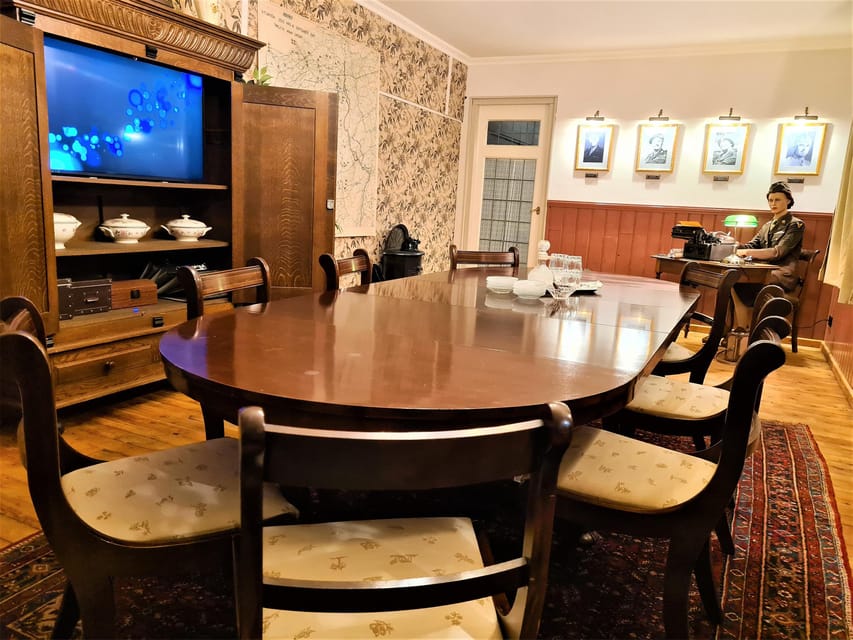
The Museum Café is not a side detail here. It’s part of the experience package. The museum positions it as themed, in a 1940s style, with snacks and drinks available.
This is where you can take a real break, not just stand and eat a quick bite. The museum also mentions seating space throughout, so it’s easy to pause, especially if you’re reading slowly or visiting with mixed ages. A café stop also gives you a natural moment to decide whether you’re going to add the truck ride or shift your plan toward the village section.
If you’re traveling with kids or anyone who gets tired of text displays, this café can be the difference between a tough visit and a satisfying one.
The optional 15-minute WWII truck ride: short, real, and story-based

One of the most memorable add-ons is the chance to ride in a real WWII Army truck for about 15 minutes. The museum lists it as an optional add-on for a small additional charge, and the price is given as €5.
What makes this ride more than just a photo moment is the story format. The museum says the tour includes a story at a monument along the way. So you’re not only seeing the truck. You’re getting a bit of interpretation in transit.
Is it worth adding? If you like hands-on, sensory experiences, yes. It also helps break up long exhibition time. Because the ride is short, it won’t swallow your whole afternoon.
If you dislike crowds or prefer maximum time inside the exhibitions, you might skip it and focus on finishing both sections with more calm reading.
Practical planning: opening hours, how long it really takes, and when to go

This museum is closed on Monday. Tuesday through Saturday run 10:00 to 17:00, and Sunday is 12:30 to 17:00. There’s also a note that for groups by appointment, all days and times can be possible, if you’re planning a group visit.
For a “best use of your time,” I’d aim for something like:
- Arrive soon after opening if you want a calmer pace.
- Budget at least 1.5 hours for the exhibitions if you focus, and closer to 3.5 hours if you read and use the story tools closely.
- Add the truck ride only if you still have energy for the transit and a bit of monument stop storytelling.
Also, the museum mentions wheelchair friendliness and space to sit everywhere. That means you can pace yourself without feeling like you’re forcing a rushed route.
Price and value: why $15 can feel fair here
The ticket price is listed at $15 per person for this museum entry. On paper, that could be either a bargain or a letdown, depending on what you expect.
Here’s how I’d judge the value using what the museum actually offers:
- You get a large, two-part museum experience across 3,000 m2
- You get self-guided freedom plus structured tools (Story Map and Story Guide Booklet)
- You get information available in English and German
- The Museum Café is part of the experience, so you’re not stuck hunting for food elsewhere
- You also have the option to add the truck ride for €5 if you want something physical and memorable
The math works best if you plan to spend real time reading and following the story elements. If you’re the type who only skims, the price might feel high for your preferences. But if you enjoy connecting details, it’s a fairly efficient way to see WWII through two distinct lenses.
One more thing: the museum’s rating shows 2.4 out of 5 based on a small number of reviews (4). That doesn’t automatically mean it’s bad. It does mean you should go in with clear expectations, especially that the self-guided format depends on you choosing what to focus on. The positive note that comes through is the museum’s original angle and a link from the past to the present.
Who should book this, and who might prefer a different fit
This ticket is a great match if:
- You like museums that teach through context, not just through big battle imagery
- You’re interested in both military operations and civilian life
- You enjoy self-paced storytelling tools like story maps and guide booklets
- You want an attraction that works for multiple ages, including families
You might consider a different option if:
- You want a fully guided experience and little reading time
- You prefer short, fast, mostly visual stops
- You’re visiting with someone who finds WWII subject matter too heavy without more guided pacing
If you do book, keep your strategy simple: start with the section that matches your biggest curiosity, use the story tool there, then let the second exhibition be your calmer follow-through.
Should you book the Medemblik WWII Museum entry ticket?
Yes, I think you should book it if you want a WWII museum that splits the story into two practical viewpoints and gives you tools to navigate the material. The original angle and the way the exhibits connect the past to the present is a strong reason to go, and the combination of exhibitions plus the 1940s café makes it feel like a full outing, not a quick stop.
I’d only hesitate if you know you won’t read much, or if you need an always-guided experience rather than self-paced discovery. In that case, look at the 2-hour Experience Tours option for more structure.
If you’re deciding today, my advice is: go with a realistic time plan, give yourself a café break, and consider the truck ride if you want one physical, memorable moment to end your visit.
FAQ
Where do I enter the Medemblik War Museum?
Follow the ENTRÉE signs when you arrive at the address. That’s the indicated meeting point for entry.
What are the two main exhibitions included with the ticket?
The museum visit covers two exhibitions: Road to Freedom (military side) and Choices in Almersdorp (civilian side).
How long should I plan to spend at the museum?
The museum lists an average visit length of about 1.5 to 3.5 hours, depending on how you explore the stories.
Are the museum explanations available in English and German?
Yes. The museum information is available in English and German.
Can I add a WWII truck ride to my visit?
Yes. There is a unique opportunity to take a 15-minute tour in a real WWII Army truck for an additional fee of €5. The ride includes a story at a monument along the way.
Is the museum wheelchair accessible, and can I bring pets?
The museum is wheelchair friendly and there is space to sit everywhere. Pets are not allowed, but assistance dogs are allowed.
When is the museum open, and can I cancel?
The museum is closed on Monday. Tuesday to Saturday are 10:00 to 17:00, and Sunday is 12:30 to 17:00. Free cancellation is available up to 24 hours in advance for a full refund.
Latest Amsterdam reviews
- Amsterdam Private Prosecco Bike with Music Sound System★ 5.0 · 3 reviews
- Private Day Trip From Amsterdam to Rotterdam and Zaanse Schans★ 3.5 · 3 reviews
- 1 hour Amsterdam City Tour in Pedicab★ 4.5 · 3 reviews
- The Best of Amsterdam: Private Full-Day Tour with a Canal Cruise★ 2.5 · 3 reviews
- Amsterdam Walking Tour with Audioguide on Your Smartphone★ 3.5 · 3 reviews
- Bike Tour with Guide in Amsterdam★ 4.5 · 3 reviews
- Concert at The Royal Concertgebouw – Amsterdam★ 5.0 · 3 reviews
- Private tour (max 3 per) to Giethoorn & Canal ride from Amsterdam★ 3.5 · 3 reviews