
Reviewed · SECOND WORLD WAR HISTORY
Eindhoven: Wings of Liberation, The WWII Airborne experience
Eindhoven’s WWII Airborne experience is interesting because it ties big war history to the exact ground where the liberation story in southern Netherlands began. Two things I love here are the hands-on museum exhibits and the chance to get up close to the real Dakota C-53 and Horza glider. One possible drawback is that it is a museum day, so if you want lots of outdoor wandering, plan for mostly indoor time.
You’ll spend the day inside the Wings of Liberation Museum, using an audiotour in Dutch or English to understand what you’re seeing. The pacing is self-guided, which is great, but it also means you should give yourself enough time, especially around the aircraft and dioramas where details really matter.
Key takeaways before you go
- Operation Market Garden in context: The museum links occupation years, repression, and liberation in one timeline, anchored to 17 September 1944.
- Authentic collection: Expect dioramas, photos, aircraft, and weaponry that were actually used in the Operation Market Garden area.
- Audio tour that actually helps: An included audioguide in Dutch and English makes the exhibits easier to follow.
- Boarding historic aircraft and a glider: You can step onto the Dakota C-53 and experience the Horza glider firsthand.
- Good value for a full day: For about $14, you get a museum story plus an included audio guide and access to the aircraft displays.
- Wheelchair accessible: The experience is wheelchair accessible, so you are not locked out of the main parts of the visit.
Eindhoven’s Wings of Liberation: WWII Airborne where the story starts
If you care about WWII history, this is one of those places where the “where” matters as much as the “what.” The museum is set in the region tied to airborne operations linked to Operation Market Garden, including the start of the liberation of the southern Netherlands in the final months of 1944.
What makes the setup feel compelling is that it does not treat liberation as a single moment. The timeline covers the occupation beginning in 1940, the repression years from 1940 to 1944, and then the liberation in late 1944. That arc helps you understand why these aircraft, missions, and units mattered so much to the people living nearby.
And yes, it is a WWII museum. But unlike some collections where you mainly read labels, this one gives you more “real world” input. You are not just looking at pictures. You are surrounded by equipment and aircraft connected to the operation story.
A few other ways to fill a day in Eindhoven
- Eindhoven: Philips Museum Entry Ticket
★ 4.3 · 95 reviews - Nuenen: Van Gogh Village Museum Nuenen Entry Ticket
★ 4.5 · 85 reviews - Eindhoven: Next Nature Museum Entry Ticket
★ 3.9 · 83 reviews
Inside the museum: the 1940 to late-1944 timeline you can feel
Think of the Wings of Liberation Museum as a guided narrative you move through at your own pace. You start with the broad story, then you get more specific as you go. The setting also helps, because the museum sits in the area where airborne operations on 17 September 1944 helped mark the beginning of the liberation of southern Netherlands.
Here’s what you can expect to see, and why it’s valuable:
- Dioramas and photos: These give you a sense of scale and the human geography of the time. Dioramas help you picture how events unfolded, and photos keep it grounded.
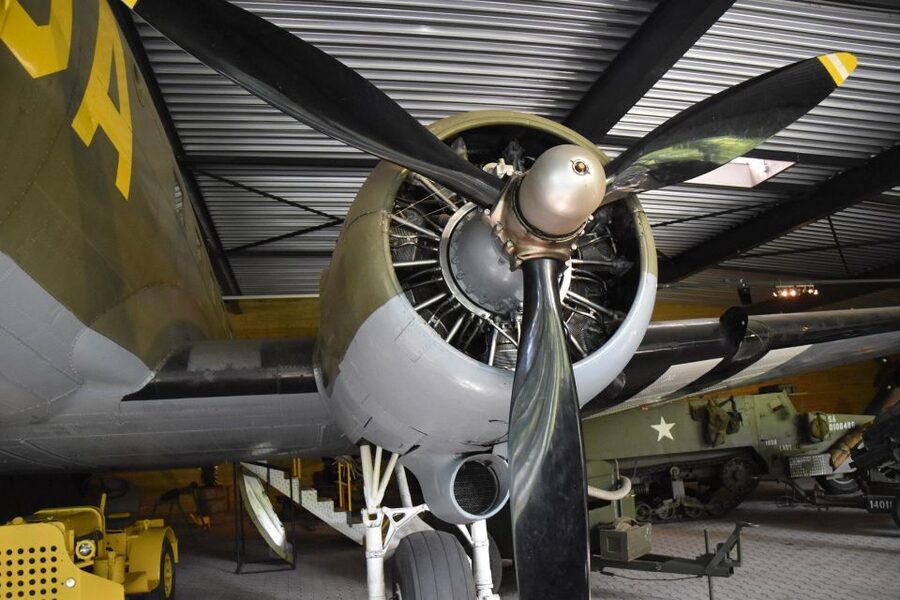
- Aircraft and weaponry tied to the operation area: The museum’s collection includes items that were actually used in the context of Operation Market Garden. That authenticity is a big deal. When objects connect to real missions, the story stops feeling abstract.
- A period-spanning timeline: This is not only about the end of the war. By including the occupation and repression years leading up to 1944, you get a fuller explanation for why “liberation” was urgent and costly.
The museum is also structured so you can build meaning as you walk. You look at an exhibit, then the audio tour helps you attach it to the larger timeline. For me, that combo of objects plus explanation is what makes it more than a quick stop.
Practical note: plan for slower movement than you think. The exhibits are the point, and the details reward time.
Using the included audiotour in Dutch or English
The experience includes an audioguide in Dutch and English, which is one of the smartest inclusions for a WWII museum. When you are standing in front of equipment, it’s easy to miss the “why it mattered” part unless you have context.
How I’d use the audiotour effectively:
- Choose your language and commit early. Don’t switch mid-way unless you genuinely need to. The story flows better when you stay consistent.
- Pause before aircraft and dioramas. The audiotour works best when you listen while you look. If you keep walking too fast, you miss the setup and payoff.
- Treat it like a companion, not background noise. This is the kind of content where a few minutes of focused listening can change how you interpret what you’re seeing.
Because it is self-paced, you can also adjust to your interests. If you care most about airborne operations, lean into the sections tied to the 17 September 1944 moment and Operation Market Garden context. If you care more about the human side, focus on the occupation and repression years in the timeline.
One small consideration: self-guided audio means you do not get the same “live” answering that a full tour guide might provide. If you love Q and A, you might want to spend extra time at the exhibits, reading closely where you can.
Boarding the Dakota C-53 and the Horza glider
Now for the part that tends to make people slow down and look closer: you can get on board the famous Dakota C-53 and the Horza glider.
This is not just a photo moment. Physically stepping onto the aircraft changes how you understand airborne missions. Even without extra narration, you can grasp how tight spaces, equipment layouts, and the aircraft’s scale relate to real flight operations.
Why this matters for your visit:
- Scale becomes real: Aircraft can look small in photos. Up close, the size is undeniable, and that helps your brain connect the exhibit to the real world.
- You understand the “human logistics”: Where people sat, moved, and handled equipment becomes easier to imagine when you are standing where they stood.
- You get a different kind of learning: Museums teach with labels. This teaches with your body and your perspective.
If you want the most from this section, give yourself time at the aircraft displays. Move slowly, glance around, and let the audiotour guide you through what you’re looking at.
Also, if you are traveling with someone who is less into military history, this is often the anchor that keeps everyone engaged. It feels like a “real place,” not just a display case.
Not the right fit? Eindhoven also runs these:
- Eindhoven: Bottle Distillery Tour and Tasting Experience
★ 4.9 · 74 reviews - Eindhoven: Full Day E-Fatbike Rental including route
★ 4.9 · 46 reviews - Eindhoven: City Center Walking Tour
★ 4.7 · 43 reviews - Discover the best spots in Eindhoven with Outside Escape
★ 4.5 · 40 reviews
Price and what $14 gets you for a full WWII day
At about $14 per person for a 1-day experience, the value comes from stacking three things together in one visit.
- A full museum story tied to the southern Netherlands liberation timeline and Operation Market Garden context.
- An included audioguide in Dutch and English, so you are not forced to rely on your own research.
- Access to board aircraft, specifically the Dakota C-53 and the Horza glider, which gives the day more than just reading and viewing.
That’s a good deal for a museum setting. Many WWII experiences either focus heavily on exhibits with no interpretive help, or they sell the “aircraft access” as a separate add-on. Here, it’s one package.
If you’re deciding between a quick museum stop and a more structured visit, this one tilts toward “more meaningful for your time,” especially if you use the audiotour while you walk.
How to plan your day in Eindhoven without rushing
This is a 1-day experience, and the best plan is simple: treat it like you’re settling in for a few hours of story and viewing, then spend extra time on the aircraft.
A few practical choices that make the day smoother:
- Arrive ready to listen: Put your phone distractions away and commit to the audiotour.
- Wear comfortable shoes: You will likely move between exhibit areas, and you will want a steady stance when you’re on the aircraft.
- Keep your pace flexible: The self-guided nature is a plus, but it works only if you give yourself margin. The best parts of the experience are the ones where you slow down.
If you want a “morning to early afternoon” style visit, you can usually do it that way. If you are a slower reader or aircraft-spotter, you might need more time. There are enough exhibit themes here that rushing can make the timeline feel fragmented.
Who this Wings of Liberation experience is best for
This works especially well if you like WWII history, airplanes, and stories that explain the human timeline, not just the battle highlights.
It’s a strong match for:
- WWII fans who want Operation Market Garden context connected to the southern Netherlands liberation story.
- People who love authentic displays, especially when the exhibits include aircraft and weaponry actually used in that operation context.
- Families or mixed-interest groups where one person wants history, and another wants aircraft access.
It might be less ideal if you mainly want scenic countryside views or lots of active outdoor sightseeing. This is a museum-centered day, and the value is in the exhibits and the aircraft access.
Should you book Wings of Liberation in Eindhoven?
If you want a compact, meaningful WWII day with context, audio support, and real aircraft access, I think this is an easy “yes.” The museum’s structure, the included audiotour in Dutch and English, and the chance to get on board the Dakota C-53 and Horza glider make it more than a basic museum visit.
Book it if you are the type of traveler who likes to learn as you go, and who gets satisfaction from standing in front of authentic, tangible history.
Skip it only if you know you hate museum days, or if you want a lot of outdoor exploring. If you are flexible and curious, this is the kind of experience that makes Eindhoven feel tied to the bigger story of Europe’s liberation.
FAQ
How long is the Eindhoven Wings of Liberation experience?
It is valid for 1 day, starting from the first activation.
Where is this experience located?
It is in North Brabant, Netherlands, in the Eindhoven area tied to the Wings of Liberation Museum.
What languages are available for the audioguide?
The audioguide is available in Dutch and English.
What aircraft can you get on board?
You can get on board the Dakota C-53 and the Horza glider.
Is the audioguide included?
Yes, an audio guide is included, with Dutch and English options.
Is it wheelchair accessible?
Yes, the experience is wheelchair accessible.
Latest Eindhoven reviews
- e-Scavenger hunt Roermond: Explore the city at your own pace★ 4.5 · 16 reviews
- Eindhoven: Guided bicycle tour of the Highlights of Eindhoven★ 5.0 · 27 reviews
- e-Scavenger hunt Eindhoven: Explore the city at your own pace★ 4.5 · 28 reviews
- Eindhoven: Full Day E-Fatbike Rental + Tour★ 5.0 · 34 reviews
- e-Scavenger hunt Den Bosch: Explore the city at your own pace★ 4.5 · 37 reviews
- Discover the best spots in Eindhoven with Outside Escape★ 4.5 · 40 reviews
- Nuenen: Van Gogh Village Museum Nuenen Entry Ticket★ 4.5 · 85 reviews
- Eindhoven: E-Fatbike Tour The Footsteps Of Vincent van Gogh★ 4.6 · 13 reviews