
Reviewed · ANNE FRANK HOUSE
Amsterdam: The Life of Anne Frank Walking Tour
If you think you already know Anne Frank because of the diary, this walk is interesting because it shifts the focus to Anne Frank’s life in Amsterdam before hiding. You’ll trace her everyday world, not just the famous story people quote.
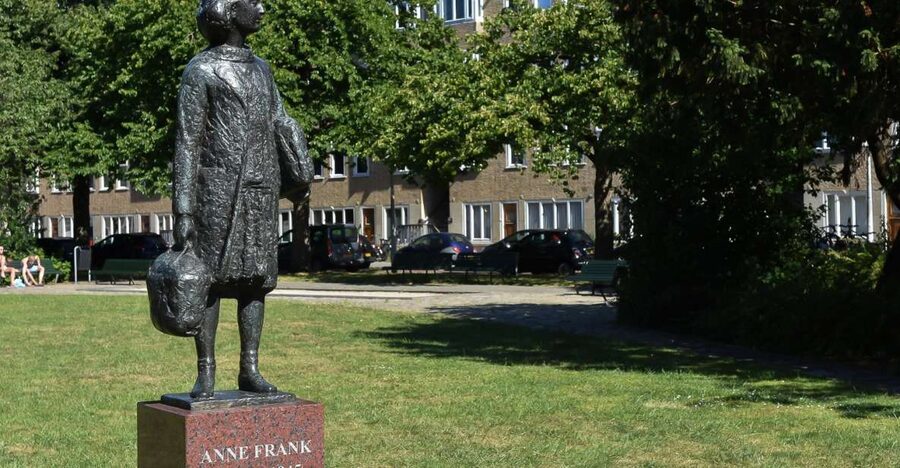
What I like most is the mix of stops tied to real places, like the square where you meet and the statue of Anne. I also like that the tour heads into Amsterdam South, a part of the city many first-time visitors skip, so your “Anne Frank” experience feels more grounded in daily life.
One drawback to consider: this is a 1.5 hour walking tour with a small amount of walking, and it does not include entry to the Anne Frank House.
Key highlights to look for on this walk
- Meeting at Merwedeplein 61 near Anne’s statue gives you the right frame before you start walking
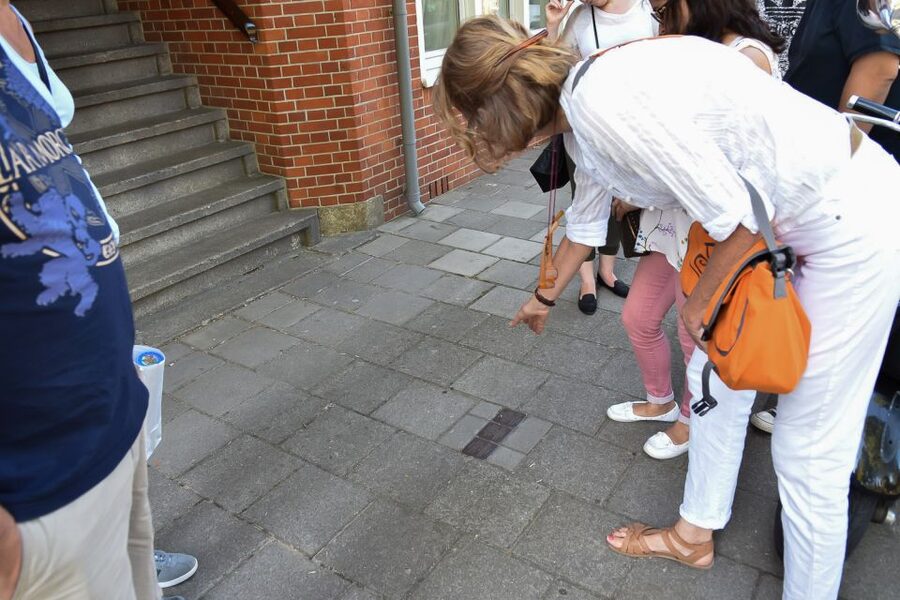
- Schools and neighborhoods from Anne’s growing-up years help you connect her story to real streets
- A bookstore stop tied to her diary purchase adds a concrete, human detail to the history
- The home of Miep Gies brings in the helpers story, including how the diary survived
- Amsterdam South, built in the 1920s and 1930s, adds context beyond the usual historic-center loop
- English live guide keeps the facts clear and question-friendly
Anne Frank’s pre-hiding Amsterdam, not just the Secret Annex
There’s a reason the diary is famous. It made it possible for readers around the world to feel Anne’s voice. But the story doesn’t begin at the Secret Annex door. Her childhood, her friendships, the city around her, and the pressure tightening around her family shaped the person behind the words.
This tour keeps pulling you back to the earlier years, when she was a young girl living in a real neighborhood system, going to school, hanging out nearby, and treating Amsterdam like home. You end up understanding that the tragedy was not sudden. It was built up, step by step, with choices and fear changing day-to-day life.
You also get a big emotional benefit from where the walk happens. Amsterdam South is part of the city with its own rhythm, built out in the 1920s and 1930s. It feels planned, modern for its time, and tied to housing and schooling for everyday people. That matters because it makes Anne’s story feel like it belongs to normal life, not only a museum timeline.
More Walking Tours in Amsterdam
- Amsterdam Anne Frank: Small-Group Walking Tour & Local Guide
★ 4.8 · 12,789 reviews - Anne Frank’s Story – Guided Walking Tour through Amsterdam
★ 5.0 · 11,619 reviews - Absolutely Amsterdam – the Essential Introductory Walking Tour
★ 5.0 · 3,629 reviews
Where the tour starts at Merwedeplein 61 (and why that matters)
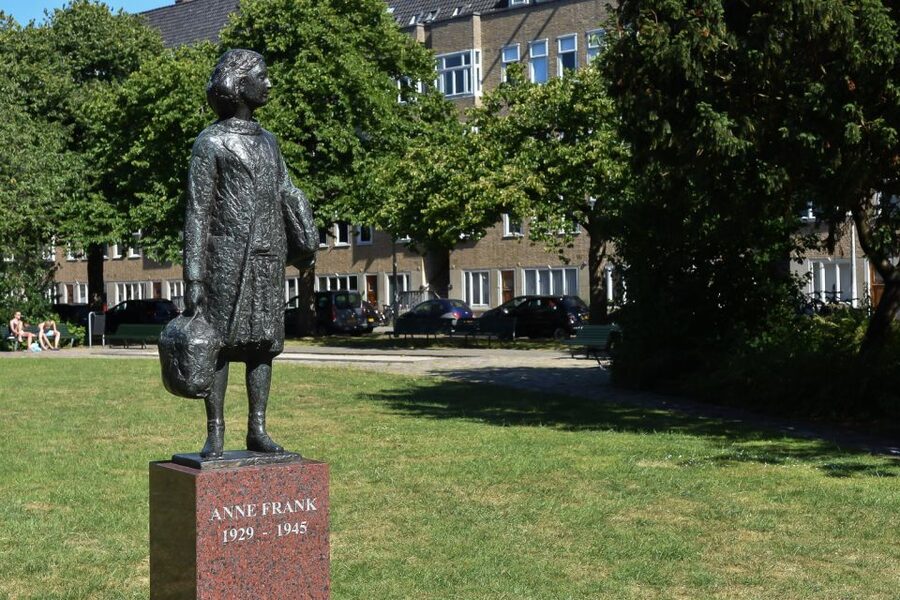
You meet at Merwedeplein 61, at the square called Merwedeplein in Amsterdam South, in front of the statue of Anne. Getting started at a place linked to her earlier life gives you a quick mental switch. Instead of starting at the area people associate with the Secret Annex, you start where she lived before that turning point.
The location also helps you understand what kind of tour this is. It’s designed as a neighborhood walk, so you’re not bouncing around the city in a patchwork of distant sights. You’ll cover enough ground to follow a story, but it stays in a contained area so the details land.
Practical tip: bring comfortable shoes. This is not a long hike, but it is a walking tour, and the difference between comfortable and not comfortable matters in Amsterdam.
Following Anne’s early steps: schools and neighborhood life
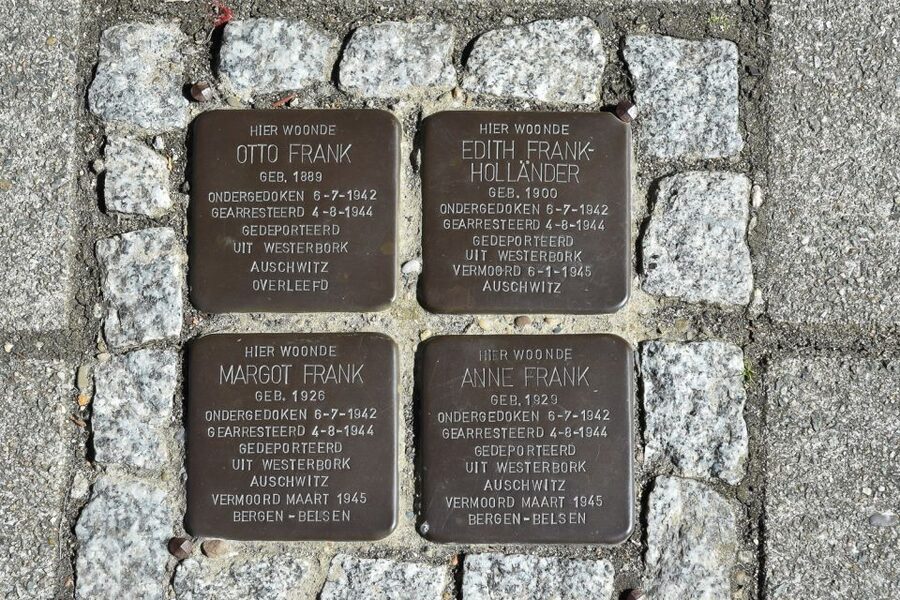
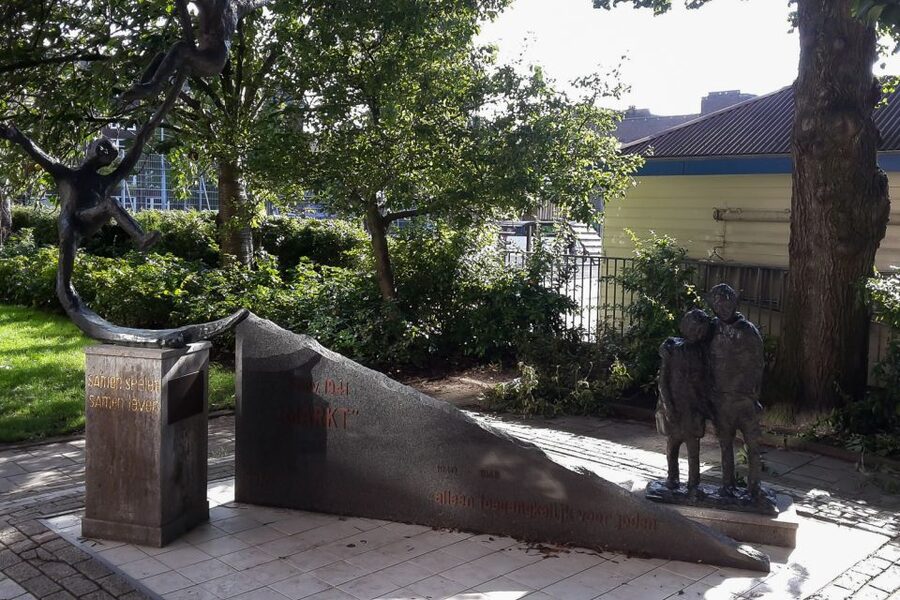
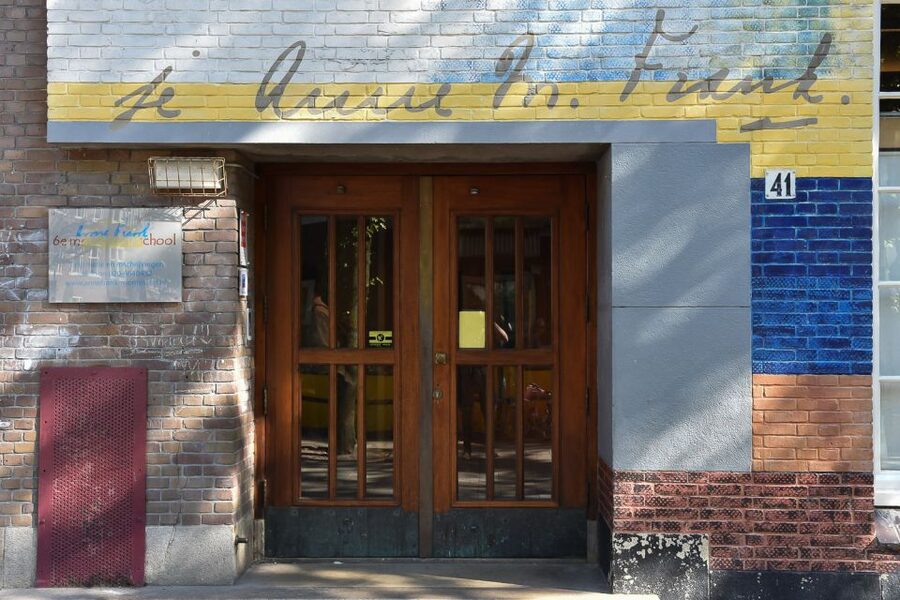
One of the best parts of this walk is how it connects Anne Frank’s biography to actual places you can stand next to. You’ll see schools and neighborhoods where she grew up. That sounds simple on paper, but on foot it does something important: it turns biography into geography.
When you’re standing near a school building from her era, you’re forced to imagine the ordinary patterns of the day. Who was she around? What did the routes look like? What kind of education would shape her thinking? Anne’s diary is often read as a document of confinement. These school-and-neighborhood stops help you remember she was first a student and a kid moving through Amsterdam.
A detail from the guide experience that sticks in my mind is the mention of a Montessori school building. Stops like that help you connect Anne’s life to the learning culture of her time, not just the war years people focus on later.
What to watch for: outside locations mean you’re relying on the guide’s storytelling and your attention. If you like questions and conversation, you’ll probably get more out of this kind of tour. If you prefer silent museum-style learning, you might find yourself wishing for more time at fewer points.
The bookstore stop: the diary story comes back to a real purchase
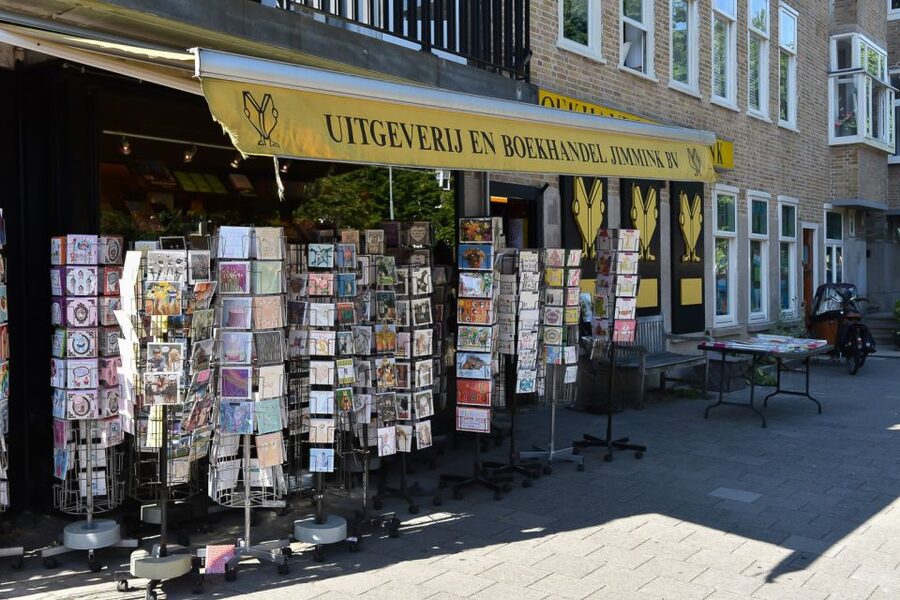
Every Anne Frank reader wants to know how the diary became a diary. On this tour, you get the place connected to her diary purchase. You’ll see the bookstore where Otto Frank bought Anne her diary, and it’s one of those stops that makes the story feel less like distant history.
Even if you already know the plot, seeing the kind of location where everyday purchases happened adds texture. It also reminds you that the diary wasn’t a symbol from the beginning. It started as a personal item, chosen in a normal world, before the hiding years took over.
If you love documentary-style details, this stop does a good job. It’s a quiet, tangible kind of history, and it works especially well if you’re the type of traveler who likes to connect stories to objects you could actually hold.
Tip: take a camera. You won’t just photograph plaques. You’ll likely want to capture the street-level feel around the bookstore so you remember what the neighborhood looked like.
Not the right fit? Amsterdam also runs these:
- Amsterdam: Van Gogh Museum Ticket
★ 4.7 · 52,054 reviews - Amsterdam: Heineken Experience Ticket including 2 Drinks
★ 4.6 · 36,014 reviews - Amsterdam Classic Saloon Boat Cruise with Drinks and Cheese
★ 5.0 · 31,825 reviews - Amsterdam Luxury Canal Cruise + Unlimited Drinks & Bites option
★ 5.0 · 30,518 reviews
Miep Gies’ home: meeting the helpers behind the diary’s survival
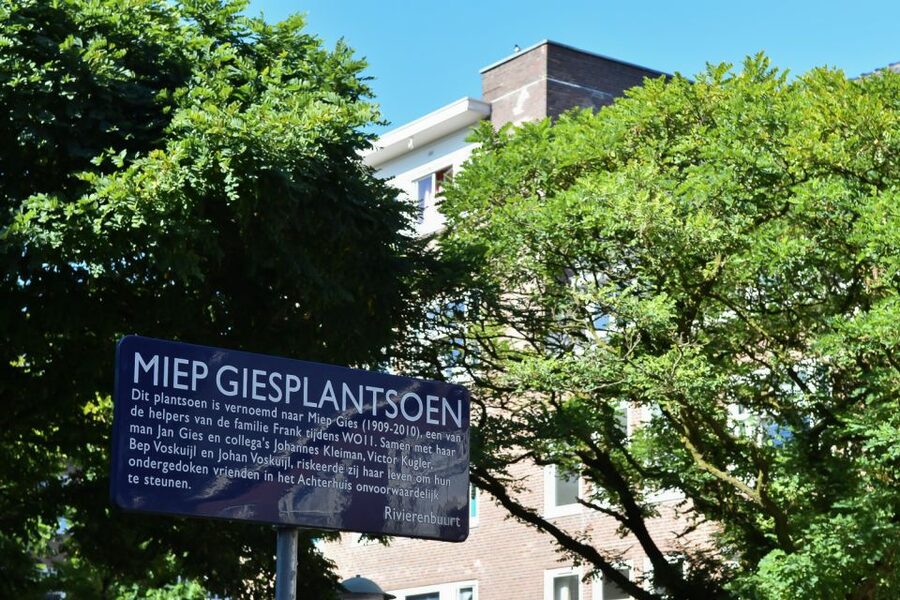
Anne’s story has more than one role in it. Besides Anne, her family, and the Nazi occupiers, there were people who risked their lives to protect them. This tour brings that angle to the front by including the home of Miep Gies.
You’ll learn about Miep Gies as Otto Frank’s secretary and one of the courageous helpers. The tour also highlights what happened after the arrest, including the fact that she later saved Anne’s diary. That’s crucial context. Too many versions of the story stop at hiding and start talking about the diary’s fame later. Here, the helpers’ actions are treated as part of the core story, not an afterthought.
Why this stop is so meaningful: it turns the narrative from a tragedy-only frame into a human choices frame. You get to see the idea that survival depends on relationships, courage, and practical help, even when people are scared.
Amsterdam South’s 1920s and 1930s city planning context

The tour isn’t only about Anne’s family. It’s also about the city she knew. Heading through Amsterdam South, you’ll notice the way the area was built out in the 1920s and 1930s, reflecting ideas in urban planning, architecture, and social housing.
That urban context can sound academic, but on a walking tour it’s actually practical. You start to understand how neighborhoods are designed to function: schools and daily routes for families, housing close to services, and streets that shape how people move. Those design choices matter because they affect where kids play, where families gather, and how communities form.
And this is also why the tour feels like a good alternative to the most obvious Amsterdam loops. Instead of only chasing the biggest names on the postcard list, you get a chance to see a calmer, less-touristy slice of the city. That’s a big value if you’re in Amsterdam for a few days and want at least one experience that feels like you found something slightly off the main path.
The price, and what $18 buys you in real terms
At $18 per person for about 1.5 hours, this is priced like an accessible, focused walking experience. The tour includes your guide and all taxes, fees, and handling charges. What it does not include is museum entry to the Anne Frank House.
That’s actually part of the value. You’re paying for guided storytelling and location context in the neighborhoods tied to Anne’s earlier years, plus the perspective around Miep Gies and the helpers. If your goal is to spend money on a guided walk that helps you understand the diary story as a life story, this price point makes it feel reasonable.
If your goal is specifically to walk through the Secret Annex itself, then this tour isn’t the ticket for that. It’s a complementary experience, not a replacement.
What to bring, and the simple day-of tips that prevent hassle
This tour is straightforward, but Amsterdam weather loves surprises. I’d plan for the basics:
- Comfortable shoes (you’ll be on your feet)
- Umbrella (especially on rainy days, which the tour specifically notes)
- Camera for street-level context and signage
Other useful notes:
- You’re on a live English guided walk.
- There’s a small amount of walking.
- Pets are not allowed.
If you’re traveling with kids or older relatives, think about mobility first. This one is listed as not suitable for people with mobility impairments and wheelchair users, so don’t gamble on it if access is a concern.
Who this tour fits best (and who might want a different plan)

This tour is a strong fit if:
- You want Anne Frank beyond the famous hiding story
- You like learning through real locations, street-level context, and neighborhood history
- You’re curious about the helpers, especially Miep Gies
- You appreciate Amsterdam South as a way to see more than the usual tourist center
It may not be the best fit if:
- You were hoping for Anne Frank House entry during the walk (this tour does not grant that)
- You need a fully step-free or low-walking experience
- You prefer indoor exhibitions over storytelling outdoors
Also, the overall traveler satisfaction for this tour looks solid, with a 4.7 rating from 53 reviews. That’s not a guarantee of your exact experience, but it suggests the format works for most people.
Should you book this Anne Frank walking tour in Amsterdam South?
I’d book it if you’re the kind of traveler who wants meaning tied to place. This walk doesn’t try to be a long museum day. It gives you a concentrated, 1.5 hour way to see where Anne grew up, where her diary connection begins, and how Miep Gies’ courage fits into the full story. The Amsterdam South setting also helps you see a side of the city many people miss.
I would skip it if your top priority is entry into the Anne Frank House, or if mobility limitations make walking difficult. In those cases, you’ll waste time and money on something that can’t meet your main goal.
FAQ
How long is the Amsterdam: The Life of Anne Frank Walking Tour?
The tour lasts 1.5 hours.
Where does the tour meet?
You meet at Merwedeplein 61, in Amsterdam South, at Square Merwedeplein, in front of the statue of Anne.
What is included in the tour price?
The tour includes a guide and a walking tour, plus all taxes, fees, and handling charges.
Is entry to the Anne Frank House included?
No. This tour does not grant access or allow entry to the Anne Frank House.
Is the tour available in English?
Yes. The tour is guided in English.
What should I bring?
Bring comfortable shoes, an umbrella, and a camera.
Is the tour suitable for wheelchair users or people with mobility impairments?
No. It is not suitable for people with mobility impairments and wheelchair users.
Are pets allowed on the tour?
No. Pets are not allowed.
Latest Amsterdam reviews
- Small Group Tulip and Spring Flower Fields Bike Tour★ 4.5 · 14 reviews
- Amsterdam Van Gogh Museum Private Tour for Kids & Families★ 4.0 · 14 reviews
- Zaanse Schans Windmills Private Tour from Amsterdam Airport★ 5.0 · 14 reviews
- Bruges Day Trip from Amsterdam★ 4.5 · 14 reviews
- Volendam: Volendams Museum Entry Ticket★ 4.4 · 14 reviews
- Zaanse Schans Windmills, cheese and clogs and Volendam tour from Amsterdam★ 5.0 · 14 reviews
- Departure from Amsterdam City to Amsterdam Airport AMS by Minivan★ 5.0 · 14 reviews
- Walking Tour about Golden Age Architecture, private local guide★ 5.0 · 15 reviews