
Reviewed · MUSEUMS
Amsterdam: Stedelijk Museum (Private Tour with Art Historian)
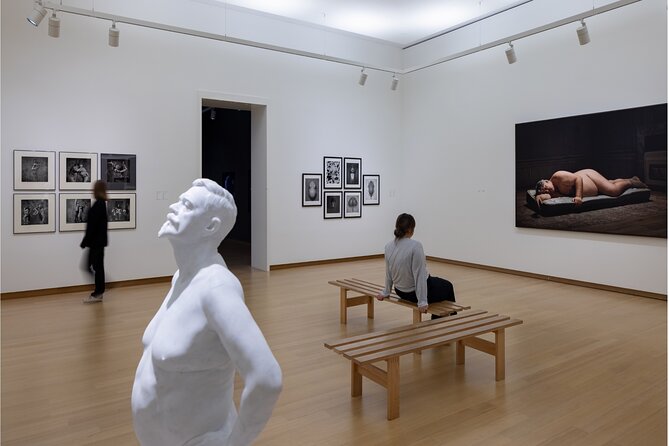
Stedelijk Museum is interesting because it is one of Amsterdam’s clearest routes through modern and contemporary art, without needing a self-made art-history syllabus. This is a private tour with an art historian guide, so you get a real explanation in the rooms, not just a quick glance.
I especially like how the tour gives you a guided path through the big art story, from early Dutch abstraction to post-war experiments. You’ll also like the way your guide slows things down enough to connect the artists to the themes you actually see on the walls.
One possible drawback: the tour is only about 1 hour 30 minutes, so if you want to linger for long in just one wing, you might feel slightly rushed unless you speak up early and ask to spend extra time on the artists you care about.
Key highlights to know before you go
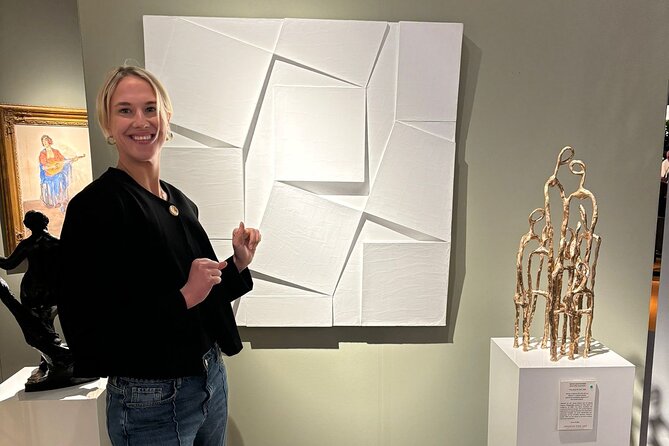
- A true private format for groups up to 4, so the pace stays flexible
- Modern-to-contemporary overview with named artists tied to what you see in specific rooms
- Guide-led navigation that turns Museumplein into an easy start, not a chaotic first visit
- Concrete art movements covered (De Stijl, Expressionism, Surrealism, Post-war, Pop, Minimalism)
- Real-world support praised by past guests, including thoughtful help for wheelchair needs
Why this Stedelijk tour works in 90 minutes
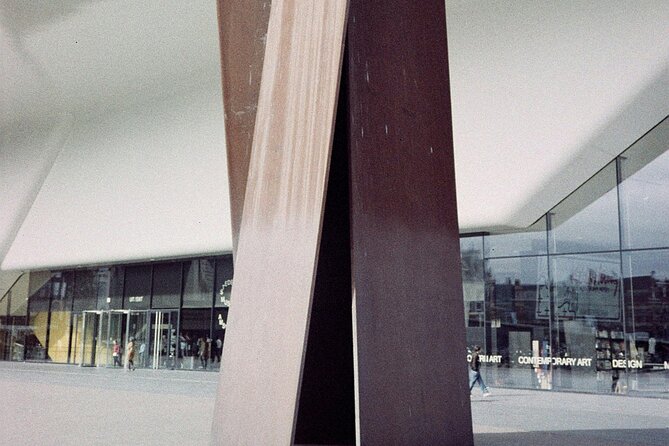
If you have ever stood in a museum and thought, I like art, but I do not know where to put my brain first, this tour is made for you. The Stedelijk is known for modern and contemporary art, but the collections span decades and styles. In a short visit, it is easy to end up jumping from one striking artwork to the next with no thread connecting them.
This private format helps. Your guide meets you at Museumplein and gives you a short intro so your first rooms make sense right away. Then you move through the museum with a focused overview of major movements and artists, so you are not just looking, you are reading the visual cues. For many people, that is the difference between a nice hour and a genuinely satisfying one.
Also, the price makes more sense when you compare it to buying your own guided add-ons. At $180.19 per group (up to 4), you can split the cost if you travel with a small group. You also save time. You are not stuck decoding what to prioritize, which can be the biggest hidden cost of a museum day.
More Museums in Amsterdam
- Amsterdam: Van Gogh Museum Ticket
★ 4.7 · 52,054 reviews - Moco Museum Amsterdam Entrance Tickets with Banksy & More
★ 4.4 · 10,088 reviews - Amsterdam: Red Light Secrets Museum Entry Ticket
★ 4.2 · 5,722 reviews
Meeting at Museumplein: your fastest start
The tour begins on Museumplein, right in front of the Stedelijk Museum entrance. Plan to arrive a bit early so you can settle in without feeling rushed. The meeting point is Museumplein 6, Amsterdam.
There is also a ticket redemption point at Museumplein 10. If you are arriving by tram or bus, that Museumplein area is the easiest entry point to find. Once you connect with your guide at the entrance, you get a brief orientation about the museum’s significance in modern and contemporary art, then the artworks start making sense faster.
This matters because the Stedelijk can feel big and visually confident. A strong first five minutes keeps the rest of the visit from turning into accidental wandering.
The main event: Stedelijk Museum with an art historian
The full itinerary is built around one museum stop, but it is structured like a guided walk through themes. The tour is about 1 hour 30 minutes and ends back near the meeting point, so it fits cleanly into a museum day.
Stop inside the museum: building the modern art storyline
Your guide starts with a look at key movements and artists featured in the museum. Then you move through the collection in a sequence that helps your brain keep track of change over time. The goal is not to cover everything. The goal is to understand what makes each movement different and why the artists mattered.
Here is what you can expect your route to highlight, in the same order the themes are presented:
Not the right fit? Amsterdam also runs these:
- Amsterdam: Heineken Experience Ticket including 2 Drinks
★ 4.6 · 36,014 reviews - Amsterdam Classic Saloon Boat Cruise with Drinks and Cheese
★ 5.0 · 31,825 reviews - Amsterdam Luxury Canal Cruise + Unlimited Drinks & Bites option
★ 5.0 · 30,518 reviews - Amsterdam: Rijksmuseum Entry Ticket
★ 4.7 · 29,512 reviews
Early modernism and the Dutch avant-garde you can actually spot
One of the most memorable parts of this tour is the section on early modernism and the Dutch avant-garde. This is where the guide typically helps you see abstraction as something with rules, not just a style.
You will focus on artists like Piet Mondrian and Theo van Doesburg, tied to De Stijl. You should look for the sense of order in the compositions, the way color and lines behave like a system. De Stijl can feel simple at first glance, but it is not. It is about reducing art to fundamentals so it can communicate in a new language.
Practical tip: during this part, I like to ask myself, what is the painting trying to do with balance? A good guide will point out details that make the whole thing feel intentional instead of decorative.
Expressionism and Surrealism: intensity and the dream logic
Next comes expressionism and surrealism, which is a big tonal shift. Expressionism brings bold emotion and rough edges that seem to resist polite viewing. Surrealism brings dream logic, symbolism, and weird associations that feel like your subconscious is talking back.
The tour highlights German Expressionism artists including Ernst Ludwig Kirchner and Wassily Kandinsky. You will also get the surrealist thread through works by Salvador Dalí.
This segment is where the tour becomes especially useful for first-timers. Without guidance, expressionist and surreal works can blur together. With guidance, you learn what to watch for, like the relationship between gesture, color, and mood. Then Dalí becomes less like an illustration of strangeness and more like a carefully staged idea.
In this phase, I also recommend being comfortable with not understanding everything right away. Your guide’s job is to give you a foothold so you can enjoy the art even if you are not an art scholar.
Abstract expressionism and post-war art: big movement, big questions
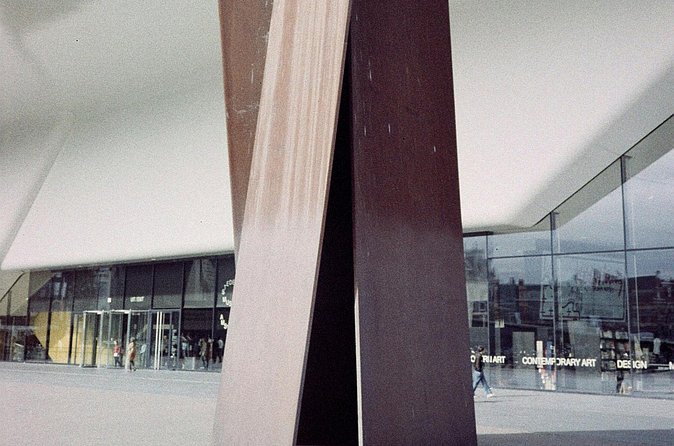
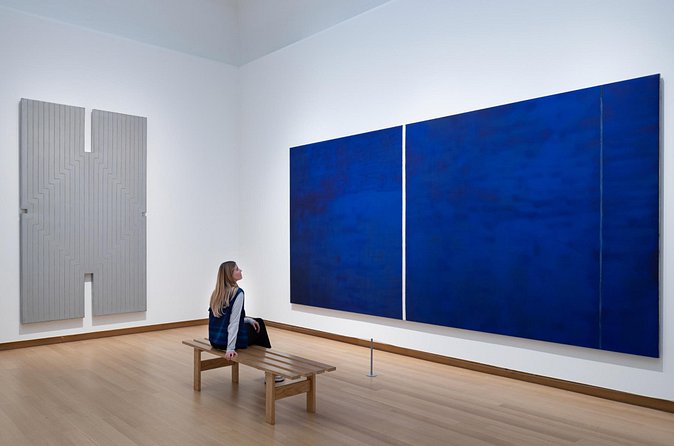
After the European swings of expressionism and surrealism, the tour moves into post-war art, including abstract expressionism. This is the section with some serious scale and confidence.
You will see artists such as Jackson Pollock, Mark Rothko-style aura is common in conversations around this era even if the focus here is named Pollock, Barnett Newman, and Willem de Kooning. The point is to show how post-WWII artists pushed abstraction further, often treating the act of making as part of the meaning.
A quick way to get more out of it: ask yourself what the artwork is doing physically. With abstract expressionism, the materials and the energy behind the marks can be the message, not just the final image.
Pop art and minimalism: when culture becomes form
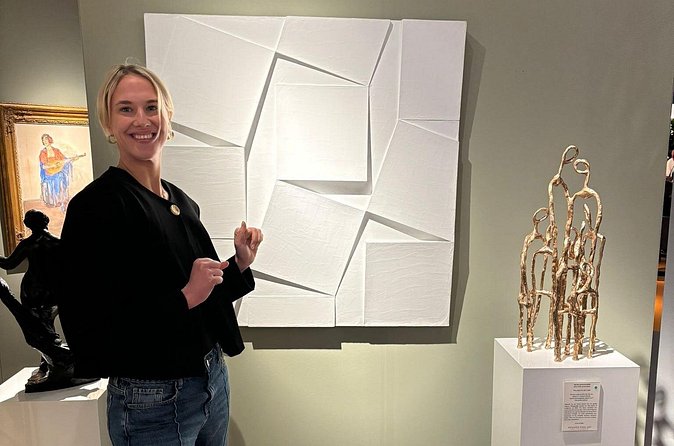
Then the tour turns to Pop Art and Minimalism. This is a fun shift if you like art that references everyday life or design that feels engineered.
You’ll encounter Pop art highlights connected to artists like Andy Warhol and Roy Lichtenstein. Then you move into minimalism through artists such as Donald Judd and Dan Flavin.
Your guide will help you compare these two approaches. Pop art often feels like mass culture wearing art clothes. Minimalism often feels like art stripped down to measurement, repetition, and space. In a short tour, that comparison is gold because it teaches you how artists think about attention.
Practical tip: stand back for the minimal pieces. Minimalism often changes when you stop staring at the nearest edge. Your guide can tell you where to stand for a better view, and that can change what the work feels like.
Contemporary art and the Stedelijk Today: why the museum still matters
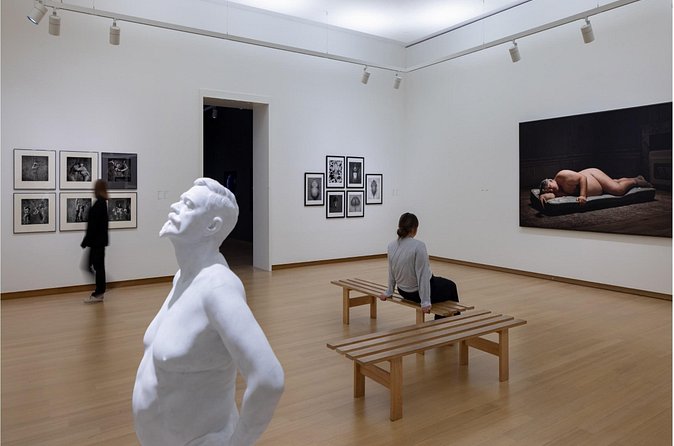
The tour ends with contemporary art and the Stedelijk’s current role. This part typically focuses on recent acquisitions and how the museum shapes modern visual culture.
This is the moment where you should shift from learning categories to noticing choices. What does the museum prioritize now? How does it connect past movements to current questions? Even if you do not love every modern piece, you can still understand the museum’s logic and direction.
If you like museums that feel alive instead of frozen behind glass, this section helps you see the Stedelijk as a working platform, not just a storage room for famous styles.
The guides: why names like Mercedes and Liz show up
The strongest praise tied to this experience is the guide quality. One guide named Mercedes was praised for being fabulous, helping guests navigate an overwhelming experience, and taking time to explain themes and room highlights. That is exactly what you want in a modern art museum, where the hardest part is often knowing what to look for first.
Another guide named Liz was praised for being passionate and knowing a lot, with special help pointing out works connected to Vincent van Gogh. Even if you start the tour unsure about what you will see, a guide who can connect the dots across artists and movements can make the whole collection feel more personal.
The biggest takeaway for you: if your guide is good at slowing down and explaining themes in plain language, the museum becomes easier to enjoy. You are not relying on your own instincts to translate modern art.
Who this tour suits best
This private tour is a good fit if you meet one of these conditions.
You’ll like it if:
- You want a guided modern-art overview without spending a whole day figuring out what to prioritize
- You travel with a small group and can split the per-group cost
- You like your art history tied to specific named artists and visual clues in the rooms
- You need extra guidance to make the museum feel manageable
It is also been praised for thoughtful support when someone in the group needed wheelchair-friendly help. Service animals are allowed, and the meeting area is near public transportation, so you are not locked into a complicated arrival plan.
One more practical note: since it is a private group up to 4, it tends to work well when you have mixed interests. One person can chase Kandinsky and Mondrian, another can care more about Pop and Minimalism, and your guide can usually steer the route to keep everyone engaged.
Timing and energy: make the rest of your day match the tour
The tour starts at 12:00 pm and runs about 1 hour 30 minutes. Because it ends back at the meeting point, you can turn Museumplein into a longer art-and-street scene.
If you are planning a busy day, keep your second museum or big activity lighter after the tour. Modern art takes mental effort. You’ll get more out of the Stedelijk if you leave space to rest your eyes and talk about what you saw, even for 10 minutes outside.
And yes, you might want a snack after. That is not just practical, it helps you reset. Fresh thinking makes the next artwork hit differently.
Value check: is $180.19 per group worth it?
Let’s do the math in real life terms.
- Duration is about 90 minutes, which is not a long commitment.
- It is private for up to 4, which means you are not competing with a big crowd’s pace.
- The guide covers major movements and specific artists, so you get a coherent framework, not random highlights.
- The admission ticket is free, which reduces one of the usual museum day costs.
Where it may not be worth it is if you want to wander freely, spend lots of time in one room, or you already know the modern art basics and have a strong plan for what to study. In those cases, you might prefer a self-guided visit plus a museum audio option.
But if you want your visit to feel organized, explained, and easy to navigate, this is strong value for a small group. The biggest win is your time and attention. Your guide turns 90 minutes into something you remember, not just something you pass through.
Should you book the private Stedelijk Museum tour?
Book it if you want a modern art orientation that actually holds together. The Stedelijk is a major museum, but it can feel like a lot to handle without a thread. This tour gives you that thread, with named movements and artists and a guide who can explain themes in plain language.
I would skip it if you hate structured tours, plan to linger for long in just one corner, or already have a specific list you want to follow without help. For those cases, a self-guided visit might fit better.
My practical advice: if you can travel with up to 4 people, this becomes an easy decision. You spread the cost, you stay private, and you get the kind of guide support that makes the museum feel manageable and rewarding.
FAQ
How long is the Stedelijk Museum private tour?
It lasts about 1 hour 30 minutes.
How much does the tour cost?
The price is $180.19 per group (up to 4).
Is the tour private?
Yes. It is private, so only your group participates.
What language is the tour offered in?
The tour is offered in English.
Where do we meet the guide?
Meet in front of the museum entrance on Museumplein. The start address is Museumplein 6, 1071 Amsterdam.
Is there a ticket included?
Yes. The admission ticket is listed as free, and there is a ticket redemption point at Stedelijk Museum Amsterdam, Museumplein 10, 1071 DJ Amsterdam.
What time does the tour start?
The start time shown is 12:00 pm.
Can I cancel for a full refund?
Yes. Free cancellation is available up to 24 hours in advance of the experience start time.
Are service animals allowed?
Yes, service animals are allowed.
Latest Amsterdam reviews
- Amsterdam Private Prosecco Bike with Music Sound System★ 5.0 · 3 reviews
- Private Day Trip From Amsterdam to Rotterdam and Zaanse Schans★ 3.5 · 3 reviews
- The Best of Amsterdam: Private Full-Day Tour with a Canal Cruise★ 2.5 · 3 reviews
- 1 hour Amsterdam City Tour in Pedicab★ 4.5 · 3 reviews
- Amsterdam Walking Tour with Audioguide on Your Smartphone★ 3.5 · 3 reviews
- Bike Tour with Guide in Amsterdam★ 4.5 · 3 reviews
- Private tour (max 3 per) to Giethoorn & Canal ride from Amsterdam★ 3.5 · 3 reviews
- Concert at The Royal Concertgebouw – Amsterdam★ 5.0 · 3 reviews
Museums, compared.
Moco Museum Amsterdam Entrance Tickets with Banksy & More
Read our review →

Amsterdam’s Weirdest Museum: Ripley’s Believe It or Not!
Read our review →


Browse the lists this tour appears in