
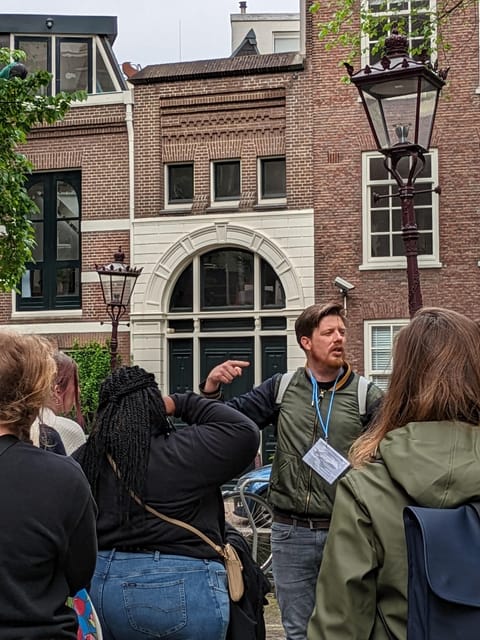
Reviewed · HISTORICAL TOURS
Amsterdam: small group tour: History, humor & hidden gems
Amsterdam feels like it is always mid-story. This small group walking tour turns that feeling into a clear timeline, with jokes you actually remember. What I like most is the tight focus on 800 years of history and the way you get Axel’s humor while you walk. One thing to plan for is the route is on foot and includes some uneven surfaces, so you will want solid shoes.
The pacing is also smart. You cover a compact area around the center, so you are not dragging your legs across the whole city, and the guide can answer your questions as you go. Just note the tour is not a fit for very young kids or anyone who needs wheelchair access.
Key highlights I’d put first
- 800 years of Amsterdam history in 2 hours, told in a way that clicks as you walk
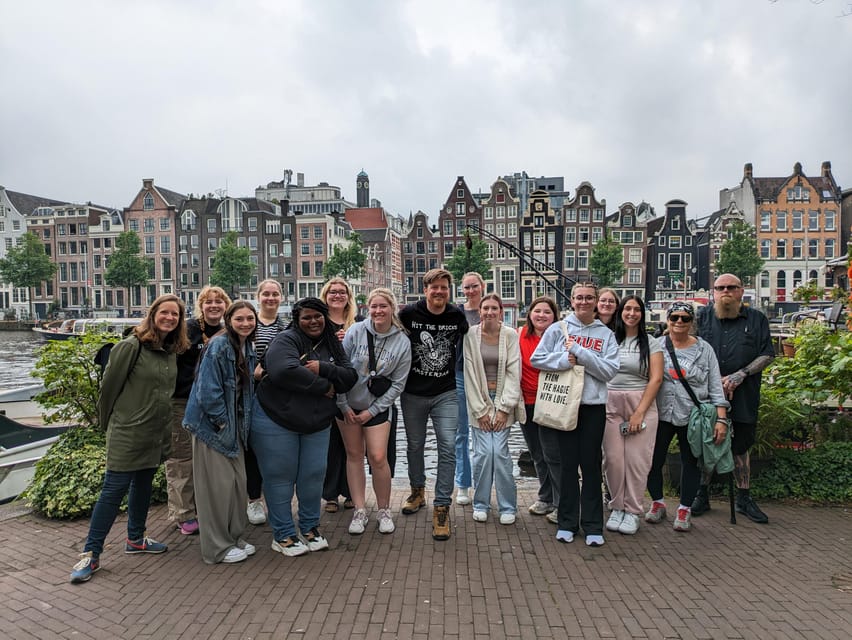
- Small group up to 10 people, so you get real back-and-forth with the guide
- Axel’s English and humor, including the occasional pun if you are lucky
- Canal belt orientation plus photo moments, so you leave with better city bearings
- Built in local recommendations, for where to eat, drink, and what to do next based on your style
- Ends at Dam Square, making it easy to continue by tram, metro, taxi, or on foot
Why this Amsterdam history walking tour feels easy and fun
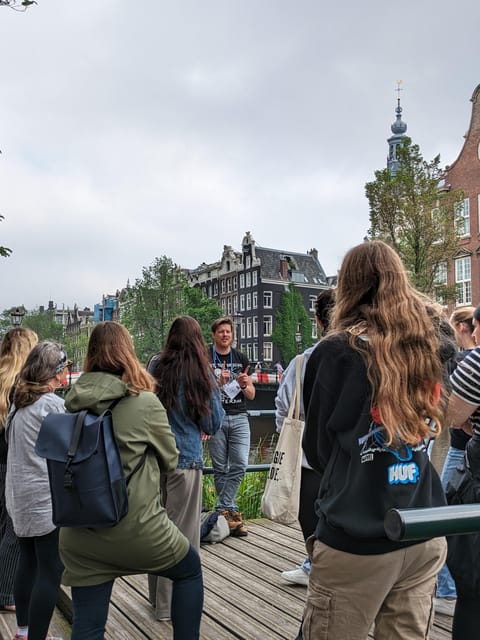
This is the kind of tour that helps you understand Amsterdam fast. Not by handing you a facts sheet, but by pointing at the city itself. You learn what people traded for, argued about, built, and protected, and you see how those choices shaped Dutch culture.
I like that the guide keeps it interactive. In a small group, you are not stuck watching from the back. If you want more on politics, commerce, or everyday life, you can steer the conversation. And because the vibe is playful, you do not get that dry museum feeling.
The other win is the ending. Finishing at Dam Square means you are not stuck 40 minutes away from where everything happens. You can immediately keep exploring, get on transit, or grab a drink near the center.
More Historical Tours in Amsterdam
- Amsterdam Food and Cultural Tour with Tastings
★ 5.0 · 4,315 reviews - Amsterdam: Historic City Centre Canal Cruise
★ 4.3 · 659 reviews - Amsterdam: Haunted History and Ghost Walking Tour
★ 4.5 · 488 reviews
Starting at Those Dam Boat Guys, then learning Amsterdam by sight
You meet at the office of Those Dam Boat Guys. One practical tip: since boat tours start from the same place, tell staff you are joining the walking tour so you do not get mixed up.
From there, you start in the heart of the canal belt area. That matters more than it sounds. Amsterdam’s story is tied to canals, trade routes, and neighborhoods shaped by wealth and geography. Once you see the layout in motion, you get why buildings and streets feel the way they do.
You also get a quick on-foot reset. When you begin in the central area and move through small stops, you learn what to look for next time you are on your own. You end up spotting details you would have missed, like how street patterns and building styles hint at older eras.
Red Light District to Oude Zijde: reading the city without getting lost
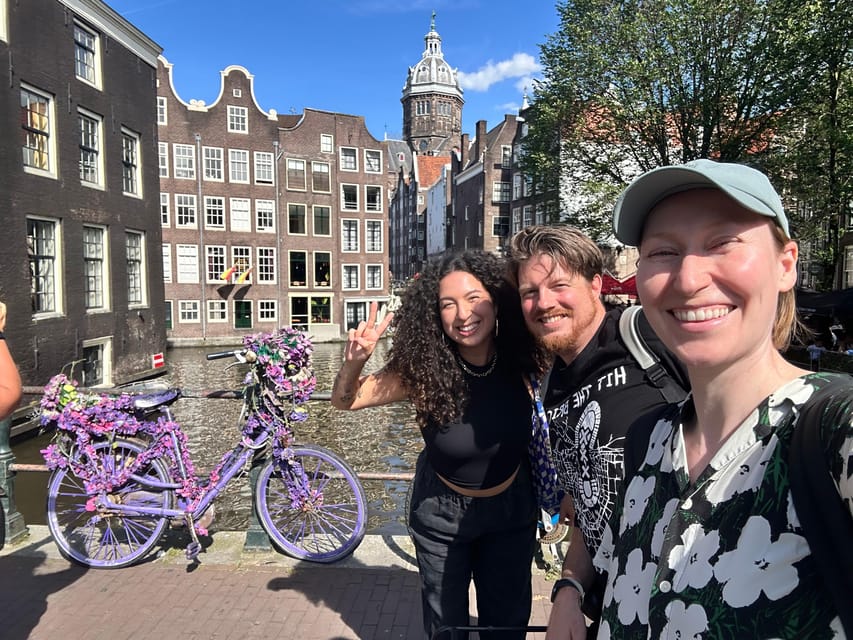
The tour’s early stretch takes you past the Red Light District for about 10 minutes, guided. Even if you do not want to focus on that topic, it is useful context. Amsterdam has always been a city where rules, commerce, and public life have collided. The guide gives you the historical and social background, and the humor keeps the mood from turning heavy.
Next you move to Burgwallen Oude Zijde for another guided stop. This area helps you understand how Amsterdam grew dense and profitable. When a city expands around canals, it does not just grow outward. It grows by refining its core, filling space, and stacking lives close together.
From a practical perspective, this section is also about orientation. You learn the neighborhood “language.” After a couple of stops, you can tell what is old, what is defensive, what is mercantile, and what is built for crowds and movement.
One consideration: because the route stays compact and central, it can feel lively at times. If you prefer quiet walks, you might want noise-coping in advance, like headphones ready or a calm mood. The guide’s jokes help smooth it out.
VOC and Zuiderkerk: the trade and power story behind everyday Amsterdam
One of the key stops is the VOC, Dutch East India Company, where you get a guided explanation for about 10 minutes. This is where Amsterdam’s global reach stops being an abstract idea. You start to connect local streets to distant routes, and you see how wealth from trade helped build the city you are standing in.
It is also a turning point for how you think about Dutch culture. The story is not only about ships and spices. It is about networks, finance, and civic pride. The guide ties it back to how people organized their lives and how the city developed confidence.
Then you hit Zuiderkerk for another guided 10 minutes. Churches in older European cities often functioned like landmarks, meeting points, and status signals. In this context, Zuiderkerk becomes more than architecture. It is part of the city’s public identity.
What I like here is that the tour does not treat landmarks as isolated objects. The guide connects them to the economic and social shifts you just heard about. So by the time you reach the next areas, the pieces feel related instead of random.
More history tours in Amsterdam:
- Amsterdam High-End Dutch Food & History Tour – Up to 8 guests
★ 5.0 · 482 reviews - From Amsterdam: Volendam Heritage & Cheese Half-Day Tour
★ 4.4 · 461 reviews - Amsterdam: Historic City Sightseeing Canal Cruise
★ 4.5 · 444 reviews - Amsterdam: Historical Highlights Walking Tour with Tasting
★ 4.6 · 381 reviews
Waterlooplein Market, Stopera, and Groenburgwal photos
After Zuiderkerk, you pass Waterlooplein Market for about 5 minutes. Even if you do not stop for browsing, it helps to see how a place has continued as a social hub. Markets show you what residents buy, sell, and talk about across centuries.
Then you reach Stopera with a short guided moment, around 5 minutes. Stopera is a reminder that Amsterdam did not freeze in time. Cities keep redesigning public spaces as needs change. When you look at it in the context of earlier wealth and growth, it feels less like random modern building and more like the next chapter.
Next is Groenburgwal, a canal-focused photo stop for about 5 minutes. This is the part where you slow down a bit. It is not only for photos either. The guide uses the canal setting to bring you back to the bigger theme: Amsterdam’s history runs through water management, trade, and the way people built their world around movement.
If you like taking pictures, this stop is timed well. If you do not care about photos, you still get the canal context without wasting too much time.
Binnenstad and Spui Square: where daily life meets older structure
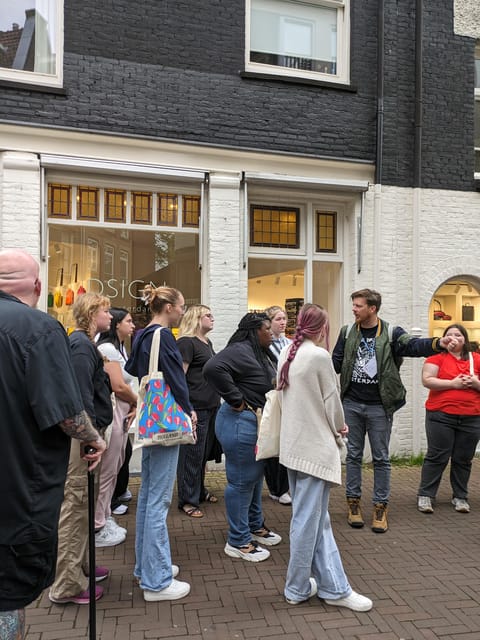
You then move through Binnenstad, Amsterdam for about 5 minutes guided. Binnenstad simply means the city center, but that term matters because it helps you frame what you are seeing as a lived-in core, not a theme park. You start to notice the rhythm of street and building patterns in a way that makes the city feel legible.
After that comes Spui Square for about 5 minutes guided. Squares are where people gather, debate, wait, and pass time. When a guide explains what made certain areas important in earlier periods, squares start to make sense as historical tools, not just open space.
This middle chunk is also where the tour stays flexible. In a small group, you often feel the guide shift to what you seem to care about. If you ask a question about how trade shaped neighborhoods, you will likely get an answer that ties back to what you just saw.
Begijnhof and Amsterdam Museum: the stops that slow you down
The best “pause and absorb” moment is Begijnhof, with a visit and guided tour for about 10 minutes. Begijnhof is the kind of place where the city looks quieter and more enclosed than the streets around it. That shift is the point. It shows you how Amsterdam carried different community spaces alongside the busy public world.
This stop works especially well for first-time visitors because it teaches you how to notice contrast. You see the big, outward city, then step into a calmer, more private historical pocket. That contrast is one of the easiest ways to understand Amsterdam’s layered culture.
Next is Amsterdam Museum for about 10 minutes guided. You do not get an entrance or long exhibit time here, but you get framing. The museum stop helps you understand where the city tends to place emphasis when it tells its own story. Even if you later choose to visit inside, this guided context makes your visit feel more purposeful rather than random browsing.
By the time you reach Dam Square at the end, you have a mental timeline you can follow while you look around.
Ending at Dam Square, then what to do next
The tour finishes at Dam Square, with about 5 minutes guided and then you are on your own. This is a smart finish because Dam Square acts like a hub. You can jump to nearby neighborhoods, and you can also use tram, metro, taxi, or continue on foot.
This is also where the guide’s local recommendations pay off. You will have a short list tailored to your interests, like what to eat, what to drink, and what to do next. That kind of advice is most useful right when you arrive hungry or ready to choose a direction.
If you want an efficient plan for your day, here is a simple approach:
- Walk off the last stop slowly so you can absorb the square.
- Pick one nearby area you want to explore next, then return to transit if you want to save energy.
- Keep your second outing flexible, because Amsterdam rewards wandering.
Price, pacing, and who this small group tour is best for
At $32 per person for 2 hours, this tour feels good value because you are paying for more than movement. You are paying for a guide who packs 800 years of history into a tight route, keeps it funny, and adapts tips to your personal preferences. There are no pricey add-ons during the walk, since entrance fees are not included.
The small group size is also not a marketing line. Limited to 10 participants, it changes how the tour feels. You get more chances to ask questions, and it is easier for the guide to keep the pace comfortable.
Pacing wise, the route stays in a narrow area around central Amsterdam. That means it is not physically demanding for most people, though it is still a real walking tour. Plan for comfortable shoes and weather-appropriate clothing, and bring a water bottle.
Who should book this:
- First-time visitors who want a fast orientation and a clear historical storyline
- People who like humor and conversational guiding, not lecture-only tours
- Travelers who want practical recommendations for food and activities
- Anyone who enjoys canal views and wants to understand why they matter
Who might skip it:
- Families with kids under 9 (it is not suitable for children under 9)
- Anyone using a wheelchair or who has mobility impairments
- People who need hearing assistance, since it is not suitable for hearing-impaired guests
- Anyone over 95 years old or over 309 lbs (140 kg), since the tour is not suitable for those limits
FAQ
How long is the Amsterdam history walking tour?
It lasts 2 hours.
Where do I meet, and where does the tour end?
You meet at the office of Those Dam Boat Guys, and the tour ends at Dam Square.
What is included in the price?
The tour includes an experienced local guide, the 2-hour walking tour, and local recommendations and tips.
Are entrance fees included?
No. Entrance fees to attractions are not included, and the tour also does not include food and drinks.
Is the tour guide English?
Yes. The live guide speaks English.
What group size is it?
It is a small group limited to 10 participants.
Is it suitable for mobility issues or young children?
No. It is not suitable for children under 9, people with mobility impairments, wheelchair users, or hearing-impaired guests.
Final thoughts: should you book this Amsterdam history tour?
If you want a first look at Amsterdam that makes the city feel logical, not random, I think this is a strong choice. You get Axel’s humor, a clear 800-year timeline, and practical help on what to eat and do next, all without a long day plan.
Book it if your ideal tour is conversational, compact, and centered on the canal belt and historic core. Skip it if you need full accessibility support or you are traveling with very young kids.
Latest Amsterdam reviews
- Small Group Tulip and Spring Flower Fields Bike Tour★ 4.5 · 14 reviews
- Amsterdam Van Gogh Museum Private Tour for Kids & Families★ 4.0 · 14 reviews
- Zaanse Schans Windmills Private Tour from Amsterdam Airport★ 5.0 · 14 reviews
- Bruges Day Trip from Amsterdam★ 4.5 · 14 reviews
- Volendam: Volendams Museum Entry Ticket★ 4.4 · 14 reviews
- Zaanse Schans Windmills, cheese and clogs and Volendam tour from Amsterdam★ 5.0 · 14 reviews
- Departure from Amsterdam City to Amsterdam Airport AMS by Minivan★ 5.0 · 14 reviews
- Walking Tour about Golden Age Architecture, private local guide★ 5.0 · 15 reviews
Historical Tours, compared.

Amsterdam Food and Cultural Tour with Tastings
Read our review →
Kinderdijk UNESCO World Heritage Entry Ticket
Read our review →
Amsterdam High-End Dutch Food & History Tour – Up to 8 guests
Read our review →
Cruise through the Historic City Center with Guide
Read our review →Browse the lists this tour appears in