
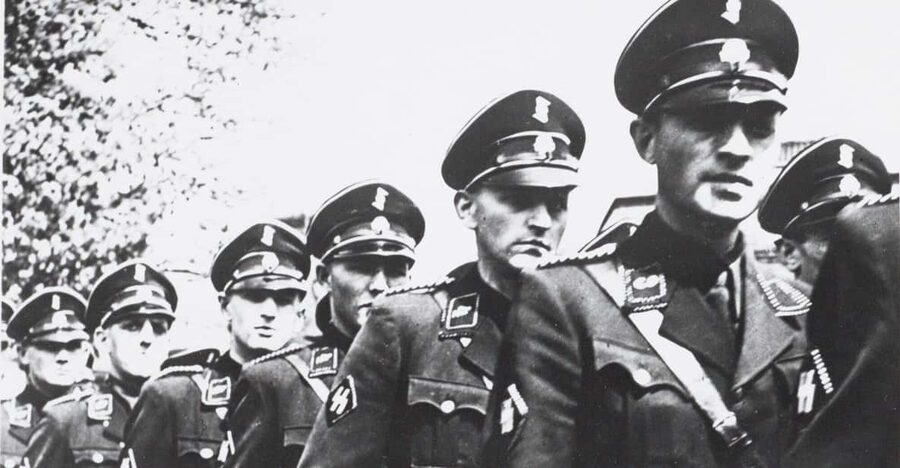
Reviewed · SECOND WORLD WAR HISTORY
Amsterdam: Private World War Two History Walking Tour
This Amsterdam experience gets interesting fast because it turns famous streets into a clear timeline of the Nazi occupation, right down to the moments people still remember. I love the private group of up to 4, and I also like that there is no audio system, so you can ask questions and get real back-and-forth.
You also get a guide-led walk that does not treat World War Two as a textbook. It keeps pulling you back to specific places, photos, and names, including the story behind the German army’s entry and what happened afterward in the city.
One drawback to think about up front: the tour starts near the Anne Frank House, but you do not go inside, and it also skips other key memorial sites and museums. If you want museum entry time, you’ll need to plan that separately.
Key Things I’d Mark on Your Map
- A start point you can spot in seconds: Prinsengracht 263, with a big notebook in hand
- A tiny group, up to 4 people so questions never feel rushed
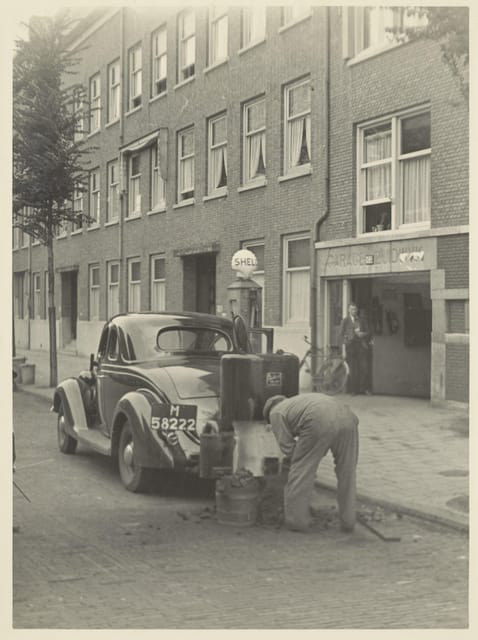
- Photos in context showing the Wehrmacht entry and resistance perspectives at the locations tied to them
- Dam Square on May 7, 1945 with a focus on the shooting incident and how it’s remembered
- A personal street memorial book with photos and names of Jewish victims from one Amsterdam street
- A statue tied to an Auschwitz violin player that brings deportation memory into the open air
Starting at Prinsengracht 263, Then Walking Past What Most People Skip
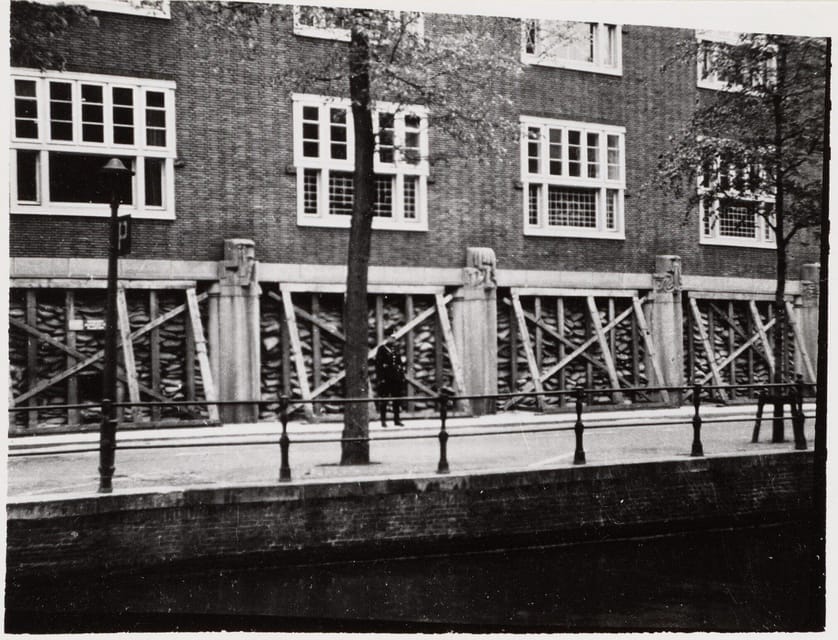
The tour meets at 9:30 A.M. in front of the old Anne Frank House on Prinsengracht 263. The organizer starts with a big notebook in hand, and there’s a practical trick to make sure you’re in the right place: the Anne Frank Huis plate is between the museum and the Lunch Cafe area. If you can touch the number plate 263, you’re at the correct spot.
Even though you begin in front of the Anne Frank House, this is not an inside visit. That detail matters. The walk is designed to put you on the ground and give you the surrounding context before you ever think about what other sites mean. If your plan is to also visit the Anne Frank House later, this tour can work like a strong pre-reading, without you having to stare at a screen or read alone.
The main day-to-day benefit for you is simple: instead of trying to piece the occupation together from scattered plaques, you get a guided route. You’ll walk past locations tied to the occupation and resistance, and the guide uses photos to anchor what you’re seeing.
More Historical Tours in Amsterdam
- Amsterdam Food and Cultural Tour with Tastings
★ 5.0 · 4,315 reviews - Amsterdam: Historic City Centre Canal Cruise
★ 4.3 · 659 reviews - Amsterdam: Haunted History and Ghost Walking Tour
★ 4.5 · 488 reviews
Three Retired Historians, One Personal Pace (and Why That Helps)
This walk is guided by three retired historians who focus on the German occupation in Amsterdam during Second World War. You’re not stuck with a script that runs like a timer. Because the group is capped at 4 people, the tour stays flexible, and you can ask questions as they come up.
There’s also a refreshing real-world choice here: the tour does not use an audio system. That means no headset juggling, no whispering over speakers. You can keep your attention on the street and the people around you. And because you can walk at a pace that feels right, the experience works better than the usual “walk fast, look forward” style.
If you’re someone who likes to pause, look twice, and ask Why, this is your kind of format. The tour includes info on paper that you can keep, so you’re not trying to take down everything in real time.
Mapping the Wehrmacht Entry Across Amsterdam’s Streets
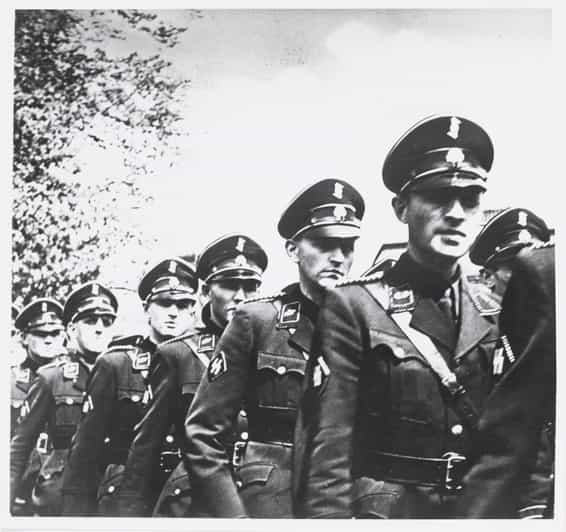
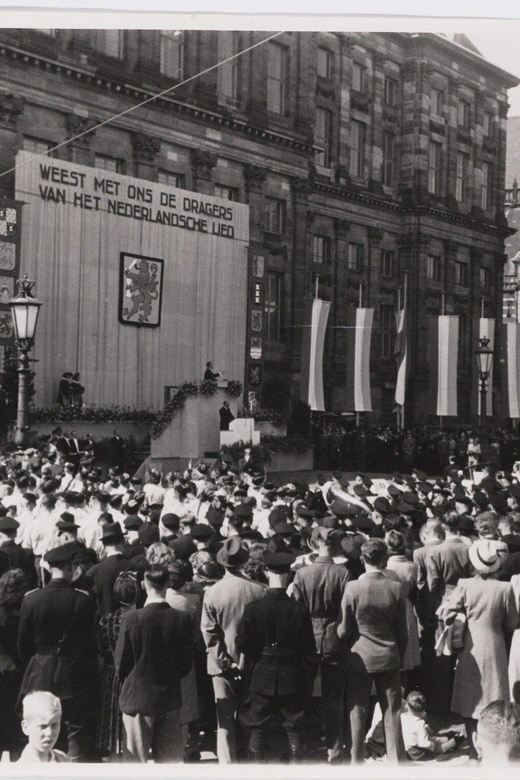
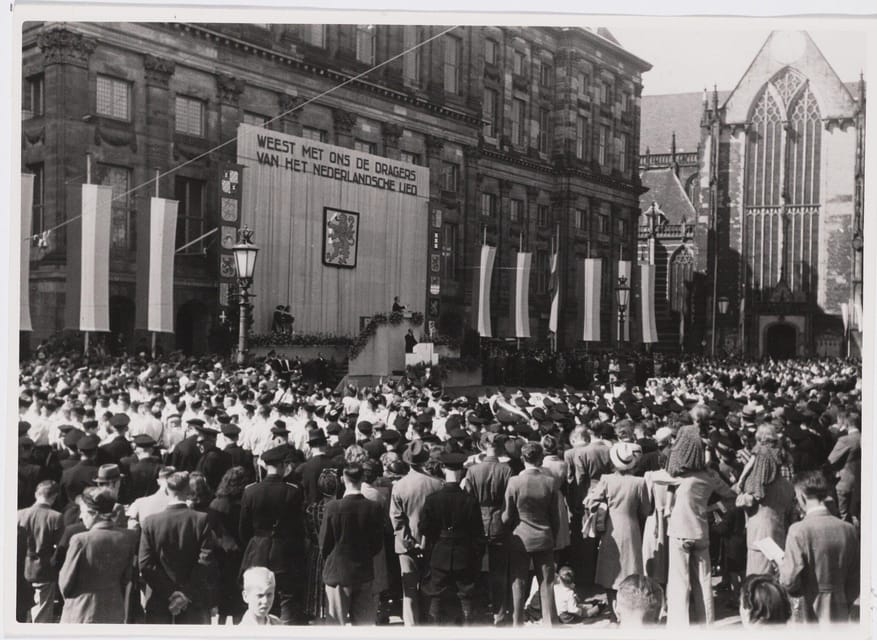
One early highlight is the entry of the German army, the Wehrmacht. You don’t just hear about it in general terms. The guide shows photos of the entry and discusses where you are in relation to what happened.
This is one of the reasons I like this tour for first-time Amsterdam visitors who still want depth. You get to connect the city’s appearance now with the city’s experience then. And because the guide brings photos to the exact areas tied to the story, you get a sharper mental picture than you would from museum walls alone.
You’ll also hear how resistance monuments and their messages fit into the streetscape. The tour doesn’t treat memorials as decorative facts. It explains why they were made and what they meant to the people who needed them.
Dam Square on May 7, 1945: A Hard Moment, Put in Place
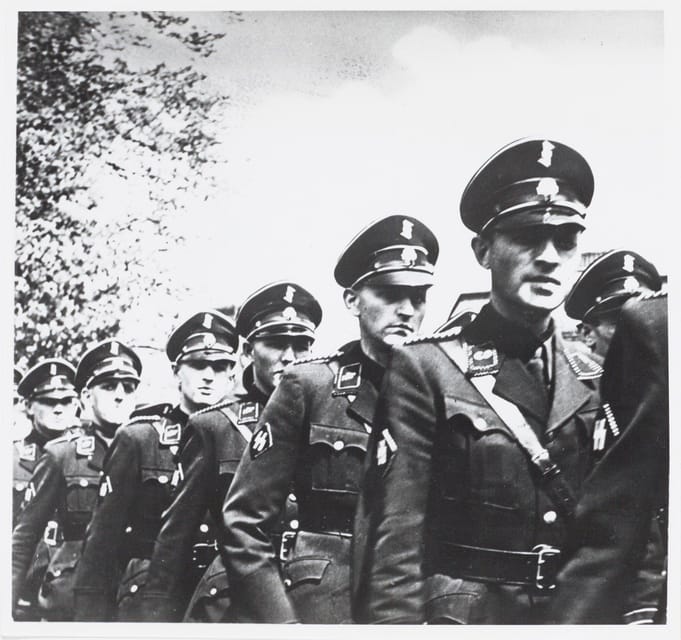
Another key stop is the shooting incident on Dam Square on May 7, 1945. This date sits at a turning point, and the guide’s job is to help you understand the event’s weight without turning it into sensational drama.
What makes this part worth your time is that Dam Square is one of those places everyone visits. But most visits skim it. On this tour, you look at it with a specific historical lens. You’re not only hearing the story, you’re standing in the public space where that history mattered.
A practical note: this is a walking tour that deals with serious subject matter. If you’re sensitive to traumatic topics, plan for that emotional tone. You might want to bring some extra patience for yourself, especially after the walk shifts from soldiers and orders to the human cost.
More Walking Tours in Amsterdam
- Amsterdam Anne Frank: Small-Group Walking Tour & Local Guide
★ 4.8 · 12,789 reviews - Anne Frank’s Story – Guided Walking Tour through Amsterdam
★ 5.0 · 11,619 reviews - Absolutely Amsterdam – the Essential Introductory Walking Tour
★ 5.0 · 3,629 reviews - Amsterdam: Anne Frank Guided Walking Tour in DE/EN/IT/ES
★ 4.9 · 3,107 reviews
The Winter of Hunger and the Meaning of Food Drops
The tour covers the winter of hunger, including the idea of food dropping during that period. Even without going into a lecture mode, this topic helps you understand how the occupation affected daily life.
This part can hit differently than stories about battles. Hunger is physical. It changes families, neighborhoods, and choices. When you connect that to what the guide points out in the city, it stops being an abstract term and becomes something you can picture on real streets.
If you like history that connects big events to the lived experience of ordinary people, this section will likely be one of your standouts.
One Amsterdam Street, Every Name in a Small Book
This tour does something I really appreciate: it brings identity down to the street level. You’ll see a memorial focus on Jewish victims from one Amsterdam street, and you get a small book prepared with photos and names of the people who died.
There’s a big difference between hearing numbers and seeing individual names tied to where they lived. This is one of the ways the walk stays human while still being factual and direct.
And since the guide selects an Amsterdam street and builds that small reference book for you, you’re not left with a vague memory. You have something you can keep, and it helps you carry the meaning beyond the walk’s 3-hour window.
The Grand Hotel Area, Resistance Photos, and Shifting Cheers
At one point, the tour discusses the welcoming of the German army at what used to be Amsterdam’s town hall, now known as The Grand hotel. You’ll also hear about how, later, the Canadian army was cheered.
That contrast is a strange thing to watch in your mind, but it’s important. Cities can shift attitudes quickly when power changes hands. By pairing that with preserved photos taken by Dutch resistance fighters, the guide shows you that even under pressure, people recorded what they saw.
When you stand where the photos were taken and hear the context, it’s easier to understand why those resistance images mattered. It’s not just documentation. It’s evidence, gathered under risk.
Auschwitz and Sobibor, Plus a Statue You’ll Remember
The tour takes on deportations of the Jewish population and explains the fate tied to extermination camps Auschwitz and Sobibor. This is not handled lightly, and it’s not meant to be swept into a fast recap.
A standout detail is the statue of a famous violin player from Auschwitz. Having that kind of memorial in public space is powerful because it doesn’t stay behind museum glass. It forces the story to share the same air as everyday Amsterdam.
If you’re trying to understand how art, memory, and survival intersect, the guide’s framing here can give you a new angle on what you’re seeing.
Coffee Break Mid-Walk, Plus What the Tour Gives You on Paper
About halfway through, you get a short break for coffee and/or a restroom stop. This isn’t just a reset button. It’s a chance to absorb what you’ve heard before the next stop brings the story to another painful phase.
You can also have something to eat during that coffee stop, such as a late breakfast. Drinks themselves are not included, so if you want coffee or more than a quick snack, budget a little extra.
What I like for practical reasons is that the tour provides information on paper during the walk that you can keep. If you tend to forget details later, having a physical takeaway helps you review key names, places, and themes without scrolling through your phone.
And yes, bring an umbrella. Amsterdam weather can switch fast, and this is a walking experience.
Price and Value for a Private Group Up to 4
The price is $188 per group, with a maximum of 4 people. That’s not cheap if you’re traveling solo, but the value changes a lot once you compare it to per-person pricing for many guided tours.
Here’s the math in plain terms: if you fill all 4 spots, it becomes about $47 per person. You also get the advantage of a guided route that stays personal, with no headset and with a guide who can answer your questions.
For me, the best value part isn’t the price alone. It’s the format: private group size, paper materials, and a route built around specific memory sites and photo context. If you want World War Two history, but you don’t want it watered down, this pricing often feels fair.
What You Should Know Before You Book (So It Fits Your Day)
This walk is ideal if you like off-the-beaten-path history and you want a clearer view of the Nazi occupation period in Amsterdam from 1940-45. It also fits visitors who care about resistance stories, deportations, and how remembrance works in real street space.
There are a few things that may matter for your planning. You do not visit the Anne Frank House, the Resistance Museum, or Hollandsche Schouwburg, also known as the deportation center. The walk starts in front of the Anne Frank House area, but it’s still a separate experience with its own focus.
So if your goal is museum entry time, you’ll want to schedule those separately. Think of this tour as the human and geographic context that connects the city’s landmarks to what the occupation meant, rather than as a ticket-and-gallery package.
One more practical consideration: if you use a wheelchair, the tour is described as wheelchair accessible, but you should email in advance. That helps the organizer take the coffee stop and the route into account.
Should You Book the Amsterdam WWII History Walking Tour?
I’d book this if you want an up-close Amsterdam World War Two experience that sticks to street-level context, photos, and names. The private cap of 4 people, the English live guide, and the no audio system setup make it feel more like a conversation with a purpose than a rushed group lecture.
Skip it or plan around it if you specifically need museum entrances during the same time window, because this tour focuses on the walk and does not include entry to several major sites. Also, if you get overwhelmed easily by traumatic history, give yourself mental space for the subject matter.
If your idea of a great trip includes walking through memory, asking questions, and coming away with something you can keep, this is a strong choice for an honest slice of Amsterdam history.
FAQ
Where does the tour start?
The tour starts at 9:30 A.M. in front of the old Anne Frank House on Prinsengracht 263. You can identify the exact spot by looking for a plate area between the museum and the Lunch Cafe, and a guide holding a big notebook.
How long is the tour?
The walk lasts about 3 hours. It may extend a bit, and there is a short break roughly halfway through.
How big is the group?
The group size is never more than 4 people, and it is a private group experience.
Is the tour guided in English?
Yes. The tour is a live tour in English.
Do you use an audio headset?
No. The tour explicitly does not use an audio system, because the format is meant to stay personal and interactive.
Are tickets included for the Anne Frank House or other museums?
No. The tour does not visit the Anne Frank House, the Resistance Museum, or Hollandsche Schouwburg, and tickets for these are not included.
Is the tour wheelchair accessible?
Yes, the tour is described as wheelchair accessible. You’re advised to email in advance so the coffee stop and route can be planned with you in mind.
What do you receive during the walk?
You receive information on paper during the tour that you can keep, and the guide provides a small book connected to Jewish victims from one Amsterdam street, with photos and names.
What is not included in the price?
The costs of refreshments during the coffee stop are not included.
What should I bring?
Bring an umbrella.
Latest Amsterdam reviews
- Amsterdam Private Prosecco Bike with Music Sound System★ 5.0 · 3 reviews
- Private Day Trip From Amsterdam to Rotterdam and Zaanse Schans★ 3.5 · 3 reviews
- The Best of Amsterdam: Private Full-Day Tour with a Canal Cruise★ 2.5 · 3 reviews
- 1 hour Amsterdam City Tour in Pedicab★ 4.5 · 3 reviews
- Amsterdam Walking Tour with Audioguide on Your Smartphone★ 3.5 · 3 reviews
- Bike Tour with Guide in Amsterdam★ 4.5 · 3 reviews
- Private tour (max 3 per) to Giethoorn & Canal ride from Amsterdam★ 3.5 · 3 reviews
- Concert at The Royal Concertgebouw – Amsterdam★ 5.0 · 3 reviews