
Reviewed · HOLOCAUST AND JEWISH HERITAGE
Amsterdam: Jewish Quarter and History Guided Tour
This experience is interesting because it flips Amsterdam on its head. Instead of postcard canals, you walk through the places where Jewish life in the city was shaped by Nazi occupation from 1940 to 1945, with your guide tying each stop to real human stories. I love the way the tour explains the meaning behind memorial sites like Auschwitz Monument and Dokwerker, not just the fact that they exist.
I also like the “guided eyes” angle. You see the Portuguese Synagogue area, the Jewish Historical Museum, and the Headquarters of the Jewish Council, and you get context for what day-to-day life looked like under occupation. One possible drawback: this is a heavy subject, so it may feel emotionally intense if you want a lighter, casual stroll.
Key Highlights You’ll Actually Feel
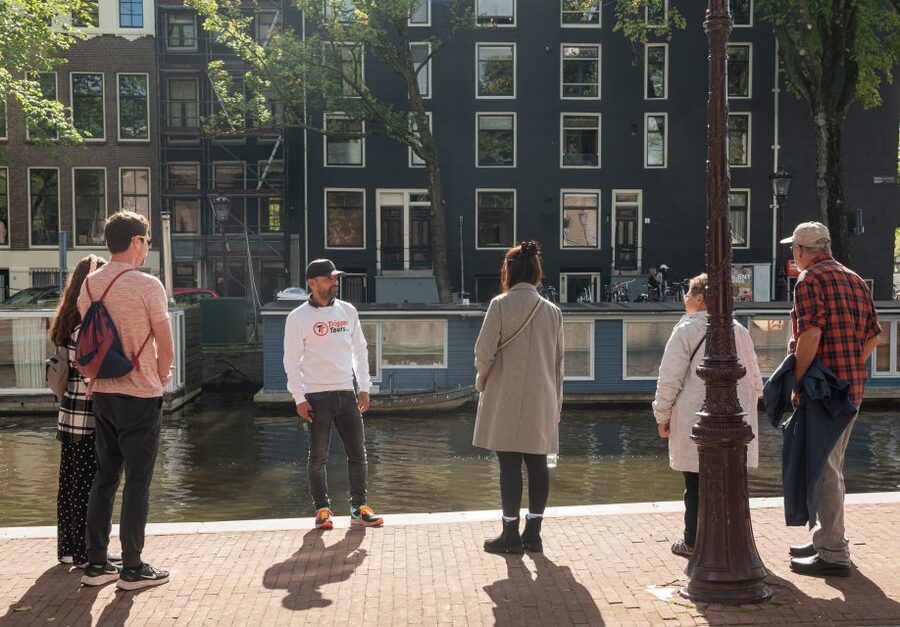
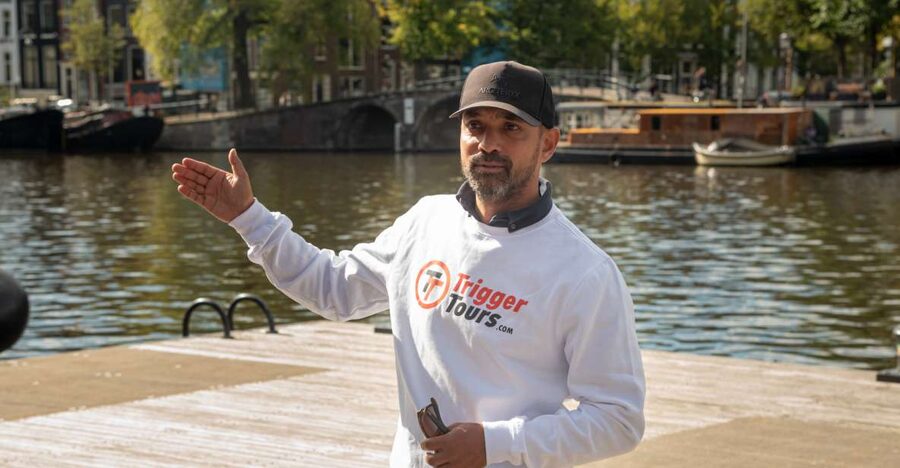
- Start by the Amstel River and get the WWII framing early, so every street makes sense
- Jewish Quarter landmarks in sequence, including the Portuguese Synagogue and Jewish Historical Museum
- Monuments explained clearly, with the Auschwitz Monument and Dokwerker placed in context
- A guide who stays sensitive and factual when the topic turns personal and painful
- Finish at the Anne Frank House area, then connect the diary to how Otto Frank published it
- English or Spanish guiding, with private or small-group options for better Q&A time
A 2-Hour Walk That Turns Amsterdam Into a WWII Story
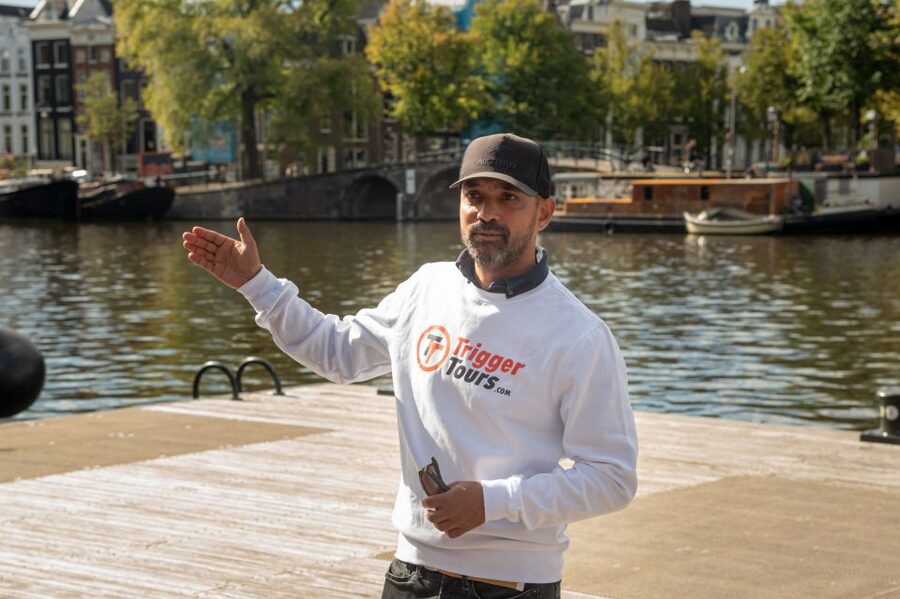
Amsterdam is great at layers. One canal view can look calm, then a few blocks later you’re facing the reality of Nazi-occupied Netherlands. This tour gives you those layers in a tight, 2-hour format, so you’re not just collecting names, you’re building understanding while you walk.
You begin on foot near the Amstel River, and you’re guided through what the Nazi occupation did to daily life in the capital, especially for the Jewish community. The pace matters here. In a short walk, you need more than sightseeing, you need someone to connect the dots between places you can see today and what happened there decades ago.
More Historical Tours in Amsterdam
- Amsterdam Food and Cultural Tour with Tastings
★ 5.0 · 4,315 reviews - Amsterdam: Historic City Centre Canal Cruise
★ 4.3 · 659 reviews - Amsterdam: Haunted History and Ghost Walking Tour
★ 4.5 · 488 reviews
Getting Oriented by the Amstel: WWII Context First
The tour starts with the occupation period, and that first step is more important than it sounds. If you come in without context, Amsterdam’s Jewish Quarter can feel like a collection of historic stops. With the WWII framing in place, those streets become a timeline.
Your guide talks about the Nazi occupation of the Netherlands from 1940 until 1945, and how it changed life in Amsterdam. That means when you reach later landmarks, you’re not just reading plaques. You’re understanding why people had to make impossible choices in their everyday routines.
Portuguese Synagogue and the Feeling of a Neighborhood With Institutions
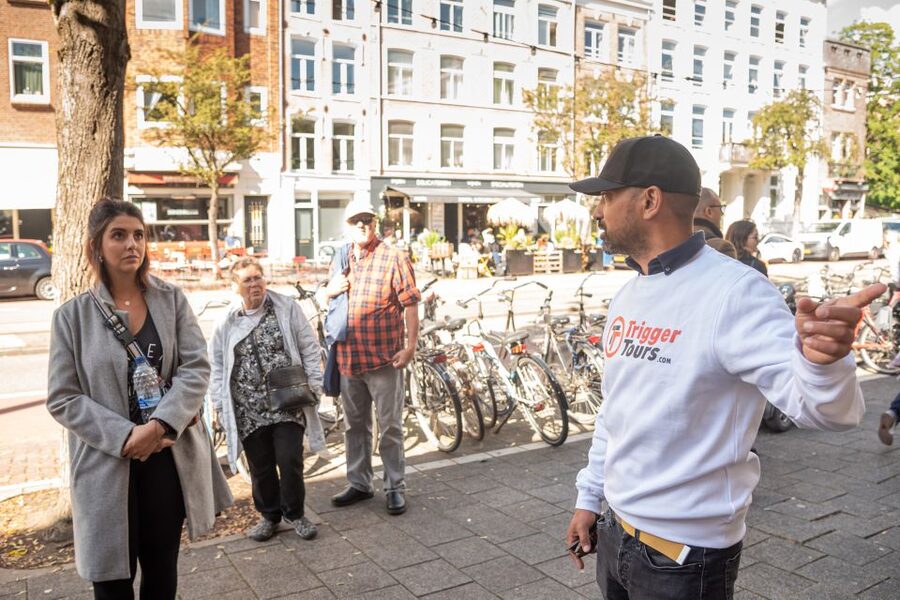
One of the smartest parts of this tour is that you don’t jump straight to memorials. You pass through the Jewish Quarter with an eye for institutions, places where community life had structure before the occupation crushed daily normalcy.
You’ll see landmarks including the Portuguese Synagogue, and you’ll also hear about the Jewish community’s presence in Amsterdam. The key here is that the tour treats these stops as parts of a living city, not museum props. That approach helps you understand resilience, not only tragedy.
Jewish Historical Museum: Why Place-Based Stories Matter
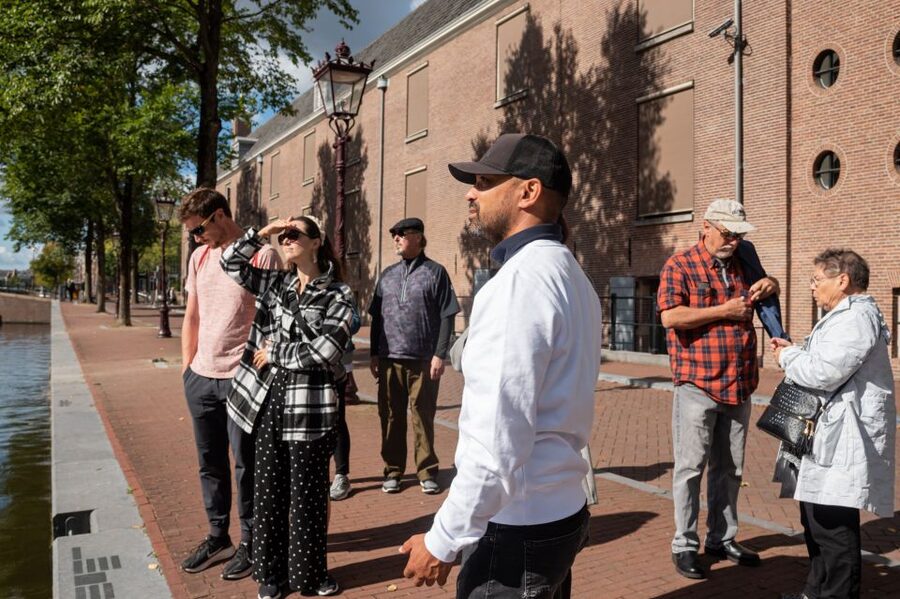
The Jewish Historical Museum shows up as a major stop, and that’s a hint at the tour’s philosophy. Instead of only listing events, the guide connects what you see on the street to what those buildings and sites represent.
For you, this is valuable because it changes how you explore afterward. If you choose to return on your own, you’ll recognize more than just a synagogue façade. You’ll understand what you’re looking at and why it mattered to the people who lived nearby.
More history tours in Amsterdam:
- Amsterdam High-End Dutch Food & History Tour – Up to 8 guests
★ 5.0 · 482 reviews - From Amsterdam: Volendam Heritage & Cheese Half-Day Tour
★ 4.4 · 461 reviews - Amsterdam: Historic City Sightseeing Canal Cruise
★ 4.5 · 444 reviews - Amsterdam: Historical Highlights Walking Tour with Tasting
★ 4.6 · 381 reviews
Headquarters of the Jewish Council: Bureaucracy as Daily Pressure
Another key landmark on the route is the Headquarters of the Jewish Council. This part of the walk is important because it shows how occupation was not only violence in the abstract. It also came through systems and decisions that touched real lives.
Your guide explains the impact of occupation on the Jewish community, and that can feel uncomfortable in the way real life is uncomfortable. But that discomfort is also what makes the tour meaningful. You come away with a more accurate picture of how persecution worked, not just the final outcomes.
Auschwitz Monument and Dokwerker: When Memory Becomes Specific
The tour doesn’t just mention WWII. It brings you to sites where the story is pinned to specific locations: the Auschwitz Monument and the Dokwerker.
This is where the guide’s role really matters. The route is designed so you hear what those places mean as you stand nearby, rather than receiving a history lecture after the fact. When the guide explains the monuments, you get a clearer sense of what remembrance is trying to protect, and why the city marks these points at all.
One practical note: memorials are good places to pause and absorb. Some groups move quickly, and you might want to take a moment for photos, reflection, or just quiet. If you’re the type who absorbs better at your own speed, build that time into your mindset so you don’t feel rushed.
Anne Frank House Finish: The Diary Story and Otto Frank’s Role
The walk ends in front of the Anne Frank House. For many people, that’s the emotional anchor of the tour, because it connects the broader occupation story to one particular voice.
Your guide explains how Anne Frank’s best-selling diary was published by her father, Otto Frank, and how it gained worldwide fame. That last piece is more than literary trivia. It’s part of the tour’s larger theme: how personal testimony can outlive the worst parts of history.
If you still want to keep exploring right after the tour, this ending location is perfect. It makes it easy to connect what you just learned to what you can see next, without losing your sense of sequence.
Guides, Pacing, and How Tough Questions Get Handled

The most consistently praised element here is the guide. On this tour, you might be led by guides such as James, Aaron, Joshua, Jyry, Guido, or Masha. The theme across guides is clear: the topic is handled with care, and questions are welcomed without turning the experience into anything insensitive.
You’ll also notice how the guide communicates. People specifically mention that guides explain things in a way that’s easy to follow, including when the subject gets personal and sensitive. That’s exactly what you want for this kind of walk, because WWII history can get complicated fast.
Pacing is another real factor. Many guests highlight that the tour is thorough and well paced, with time for questions in small-group settings. If you book a private or small-group option, you should expect more room to ask follow-up questions, especially if you want to understand the neighborhood’s Jewish life beyond the headlines.
Price and Value: Why $23 for 2 Hours Can Be Fair
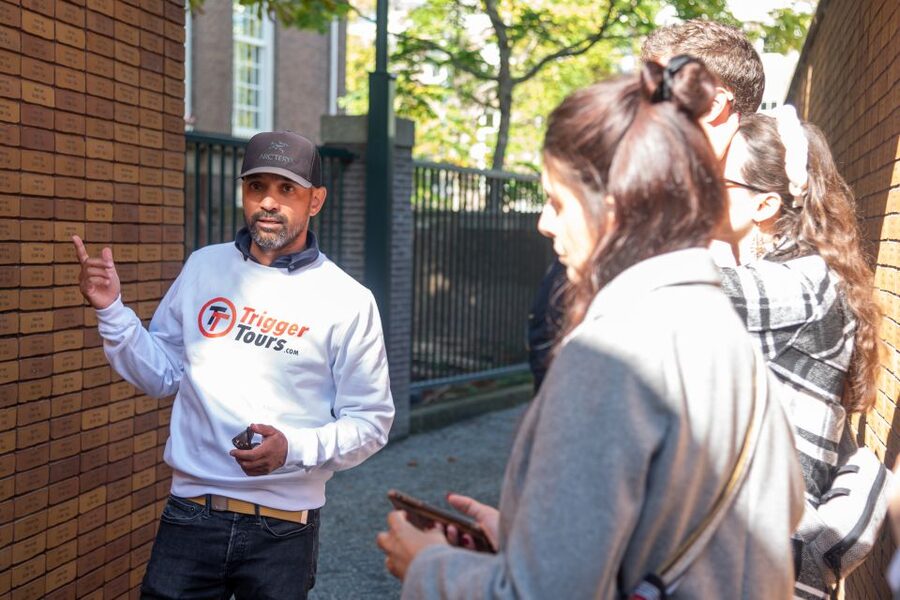
At $23 per person for a 2-hour walking tour with a guide, this can be good value if you care about interpretation. You’re not paying for entry tickets or food. You’re paying for time with a person who can explain why each stop matters.
That’s important in the Jewish Quarter, where buildings can look similar from the outside, and where context makes the difference between noticing a landmark and understanding it. Without a guide, you might read a plaque and move on. With the guide, the same streets can start telling you a coherent story.
Is it a bargain? For $23, it’s hard to beat the cost-benefit if you’re visiting for the first time and want a grounded overview quickly. It’s also a strong option if you like learning by walking, because the format gives you momentum and keeps your attention.
What to Bring for a Comfortable, Respectful Walk
Since this is a walking tour and food and drinks are not included, plan accordingly. Bring water if you think you’ll need it, and wear comfortable shoes. The route focuses on historic streets and memorial stops, so you’ll want footwear that handles uneven ground without complaint.
Also, give yourself mental room for the emotional weight of the topic. This is designed to retrace the darkest moments in history and highlight resilience. If that kind of focus feels draining, consider doing it when you have a calm next few hours and can process at your own pace.
Finally, if English or Spanish matters to you, this tour offers both languages. If you’re booking with a partner, you may want to choose based on which language you’ll understand best during sensitive discussion.
Who Should Book This Tour (and Who Might Skip It)
You’ll probably love this if you want:
- A structured 2-hour introduction to Amsterdam’s Jewish Quarter during WWII
- A guided explanation of major memorials, including the Auschwitz Monument and Dokwerker
- A clear ending point at the Anne Frank House with context about the diary and Otto Frank
You might want to skip or rethink it if you’re looking for a light activity or you prefer only positive, celebratory history. This route is not that. It’s built to face difficult reality, and it does so with sensitivity.
Should You Book This Amsterdam Jewish Quarter Tour?
I think this is a strong choice if you care about understanding the human story behind the places. The price is reasonable for a guided 2-hour walk, and the route is designed to connect context at the start, landmarks in the middle, and a well-known personal narrative at the end.
If you’re the type who enjoys asking questions, consider a private or small-group option. For tough topics, being able to talk and get straight answers can make the difference between remembering facts and actually understanding what they mean.
FAQ
How long is the Amsterdam Jewish Quarter and History guided tour?
The tour lasts 2 hours.
What does the tour cost?
The price is $23 per person.
Where does the tour start and where does it end?
The walk begins by the Amstel River, and it finishes in front of the Anne Frank House.
What landmarks will we see?
The tour includes stops and views such as the Portuguese Synagogue, the Jewish Historical Museum, the Headquarters of the Jewish Council, and memorials including the Auschwitz Monument and the Dokwerker.
Is food and drinks included?
No. Food and drinks are not included.
What’s included with the price?
You get a walking tour with a live guide. The guide language is English or Spanish. The meeting point may vary depending on the option booked.
Latest Amsterdam reviews
- Small Group Tulip and Spring Flower Fields Bike Tour★ 4.5 · 14 reviews
- Amsterdam Van Gogh Museum Private Tour for Kids & Families★ 4.0 · 14 reviews
- Zaanse Schans Windmills Private Tour from Amsterdam Airport★ 5.0 · 14 reviews
- Bruges Day Trip from Amsterdam★ 4.5 · 14 reviews
- Volendam: Volendams Museum Entry Ticket★ 4.4 · 14 reviews
- Zaanse Schans Windmills, cheese and clogs and Volendam tour from Amsterdam★ 5.0 · 14 reviews
- Departure from Amsterdam City to Amsterdam Airport AMS by Minivan★ 5.0 · 14 reviews
- Walking Tour about Golden Age Architecture, private local guide★ 5.0 · 15 reviews