
Reviewed · MUSEUMS
Amsterdam: ARTIS-Micropia Microbe Museum Entry Ticket
A microbe museum in Amsterdam sounds weird until you walk in, then it makes total sense. Micropia turns invisible life into something you can see, scan, and collect along the way. I love the idea that microbes are explained in plain language, tied to real things like your gut and the natural world. I also like the hands-on parts, especially the personal microbe scan and the stamp system that makes the visit feel like a mission.
One thing to consider is the price versus the amount of content you personally want. Some people find it worth every euro, while others call it a little pricey for the time you spend inside, so come ready to geek out a bit.
Key highlights I’d plan around
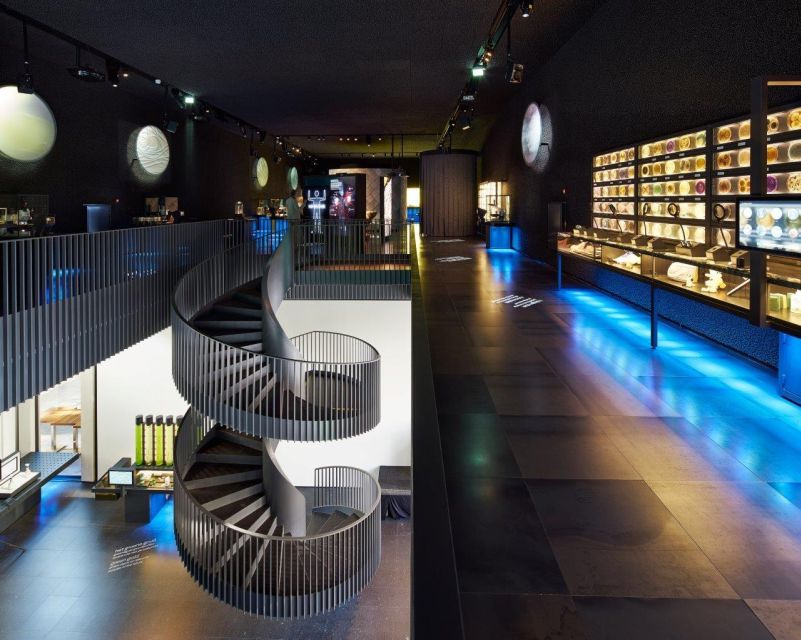
- World’s only microbe museum right in the ARTIS complex
- Microbe stamp trail as you move through the exhibits
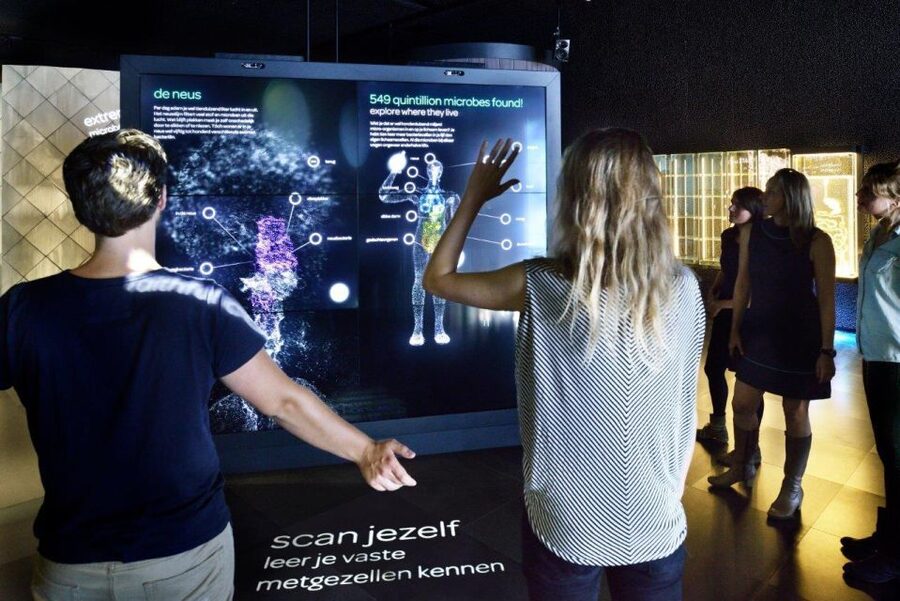
- Scan yourself to see microbes living on and inside you
- Daily lab talks in front of the Laboratorium
- Spring break Micro Mission for kids, free to collect at the ticket desk during the stated dates
- Family-friendly pricing, with free entry for children up to 12
A Museum for the Invisible, Inside the ARTIS Area
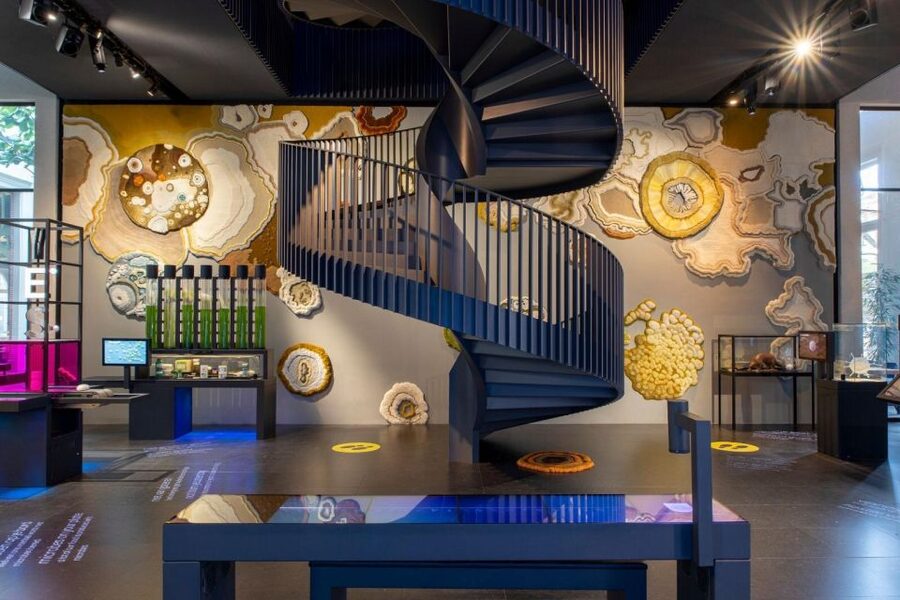
ARTIS-Micropia is built on a simple, slightly mind-blowing premise: microbes are everywhere, and they matter. They live in the air, on your skin, and in your gut. They help you digest food, influence your health, and keep ecosystems working. The museum takes that idea and makes it physical, using microscopes, living microbes, interactive displays, and stories from the lab team.
What helps here is tone. You are not hit with science jargon all day. You get explanations that connect microbes to everyday life, then you get to test the concepts with activities. If you like science that feels human and understandable, you’ll probably have a good time.
The location also helps your planning. Micropia is about a 10-minute walk from Amsterdam’s city center, and the meeting point is at Plantage Kerklaan 38-40. That means you can fit it into a day without treating it like a half-day expedition.
More Museums in Amsterdam
- Amsterdam: Van Gogh Museum Ticket
★ 4.7 · 52,054 reviews - Moco Museum Amsterdam Entrance Tickets with Banksy & More
★ 4.4 · 10,088 reviews - Amsterdam: Red Light Secrets Museum Entry Ticket
★ 4.2 · 5,722 reviews
Getting There and Choosing Your Entry Time
Your ticket is valid for 1 day, and you should check available starting times. That matters because the museum runs daily from 10:00 to 17:00. Plan to arrive a bit early so you can settle in and not feel rushed before the exhibits pull you forward.
The meeting point is straightforward: Plantage Kerklaan 38-40. Once you’re in the ARTIS neighborhood, you’re in a nice zone for a pre- or post-visit wander. Even if you do Micropia as a stand-alone stop, you can still combine it with a casual stroll through nearby gardens and cafes.
I’d also plan on a flexible pace inside. Some visitors finish in under an hour, while others take closer to two hours to go station by station. The museum feels designed for that slower approach because the interactive bits and the displays reward reading and curiosity.
The Microbe Scan: Your Body Becomes the Exhibit
One of the main reasons to choose Micropia is the scan-yourself experience. This is where the museum goes from fascinating to personal. You uncover microbes living on and inside you. It’s the kind of interactive moment that turns a general science idea into something you can react to immediately.
How to think about it before you go:
- Treat the scan as a highlight, not an add-on.
- Give yourself time afterward to compare what you saw on the screen with what you learn in the galleries.
- If you’re visiting with kids, it helps to frame it as a game with science rules, not as a test.
This is also the part of the museum that tends to make adults who don’t usually do hands-on activities pay attention. You can be skeptical of gimmicks and still come away thinking, okay, microbes really are part of daily life.
The Stamp Trail: Turning Exhibits into a Mission
Micropia uses a stamp system as you move through the museum. It’s simple, but it works. Stamps make you keep going, and they also create a natural rhythm for how you experience each section. Instead of wandering randomly, you end up sampling a lot more than you might on a quick circuit.
It’s also a surprisingly good “navigation hack.” When you’re reading lots of small explanations, it’s easy to get lost in the words. The stamps act like mile markers. You get momentum.
If you’re traveling with children, this is one of the best engagement tools in the museum. One big theme in the feedback is that kids get hooked by interactive participation and the stamp collecting in particular.
Not the right fit? Amsterdam also runs these:
- Amsterdam: Heineken Experience Ticket including 2 Drinks
★ 4.6 · 36,014 reviews - Amsterdam Classic Saloon Boat Cruise with Drinks and Cheese
★ 5.0 · 31,825 reviews - Amsterdam Luxury Canal Cruise + Unlimited Drinks & Bites option
★ 5.0 · 30,518 reviews - Amsterdam: Rijksmuseum Entry Ticket
★ 4.7 · 29,512 reviews
Inside Micropia: What Each Area Feels Like
The museum is structured around seeing microbes up close and understanding what they do. Expect microscopes and visual stations, plus story-driven explanations that link microbes to health, digestion, nature, and balance.
A few exhibit types show up clearly from the experience people describe:
- Sculptures and models of bacteria and viruses that are both educational and visually striking
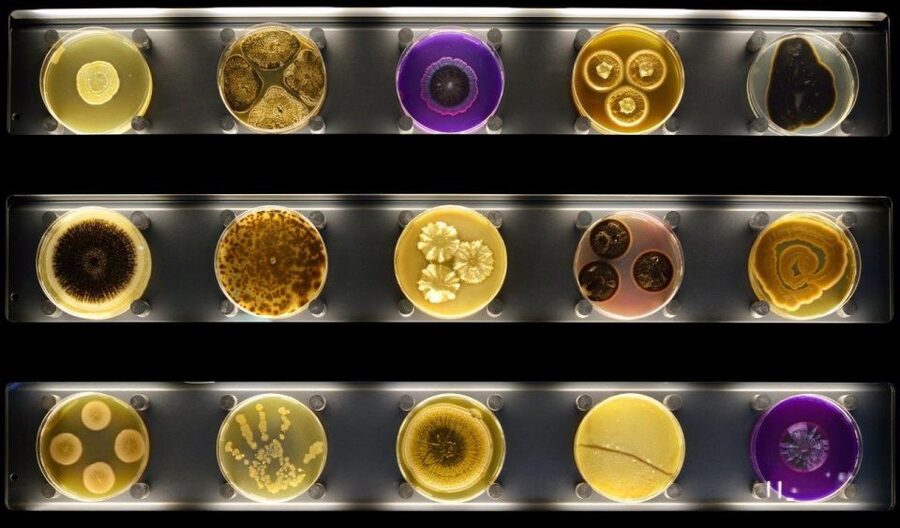
- Living cultures and growth displays, including growing moulds, which are thrilling because you can watch biology in action
- Interactive stations such as an ant farm, which helps show that tiny life has complex behaviors and roles
- A visible lab area, so you’re not just reading about science, you’re seeing where science happens
Another key feature is the “tech behind it” feeling. The museum uses microscopes, interactive visuals, and digital-style storytelling so the science stays understandable while still feeling real.
What to watch for during your walk:
- When a station gives you a question, don’t skip the answer panel. Those panels connect what you saw to why it matters.
- If you like details, you can spend time at the lab-style displays and microscopes. If you prefer quick highlights, the stamp trail helps you pick up the main storyline without getting stuck reading everything.
Daily Lab Talks at the Laboratorium
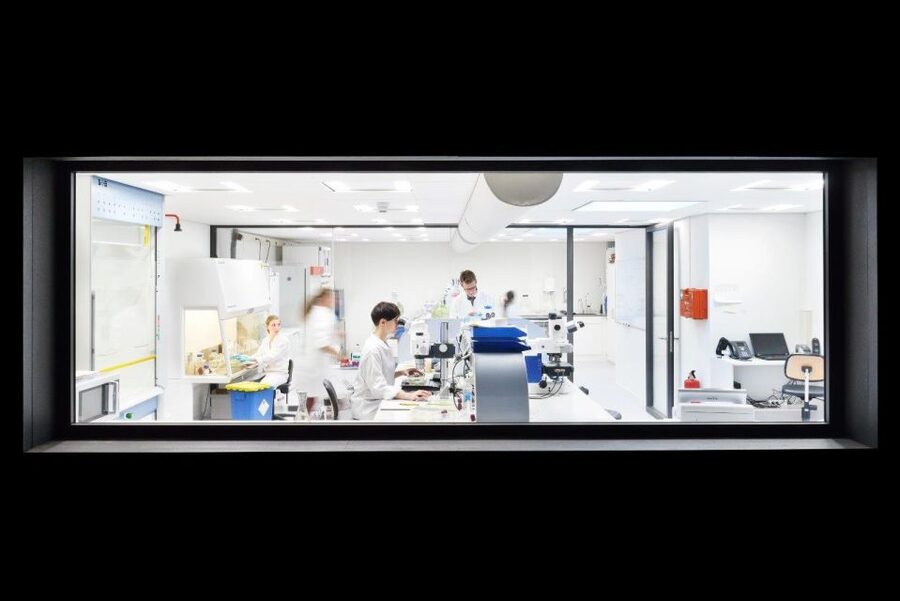
Micropia includes daily lab talks in front of the Laboratorium. This is one of the most practical reasons to build your visit around a time window instead of just walking in and doing a quick loop.
Lab talks are valuable because they give you:
- A real human explanation, not just labels
- The chance to ask questions, if the setup allows it
- A chance to hear what the team thinks is important right now
Even if you don’t speak Dutch, the museum staff operates in English too. That makes the lab element feel less like a bonus and more like part of the core experience.
If you’re visiting with kids, these talks can act like “scheduled focus.” They break up the self-guided pace and reset attention. If you’re visiting as an adult science nerd, it can turn the visit from museum browsing into a mini lecture.
Spring Break Micro Mission for Kids (and Curious Adults)
During spring break, Micropia runs a program called the Micro Mission. It’s available every day during the stated spring break window from 10:00 to 17:00, and it can be collected for free at the ticket desk.
This isn’t just arts and crafts. It’s framed as a micro-exploration activity where young explorers discover how plants, animals, and microbes work together in nature. One of the ideas you’ll encounter is how microbes in your gut help digest food.
Even if you don’t have kids, you might enjoy the Micro Mission if you’re the kind of adult who likes structured activities and simple explanations. Still, it’s clearly built for families, so if you’re a solo adult trying to optimize time, you can decide whether to add it or go straight for the main exhibits.
How Long It Takes, and the Best Pace for Enjoyment
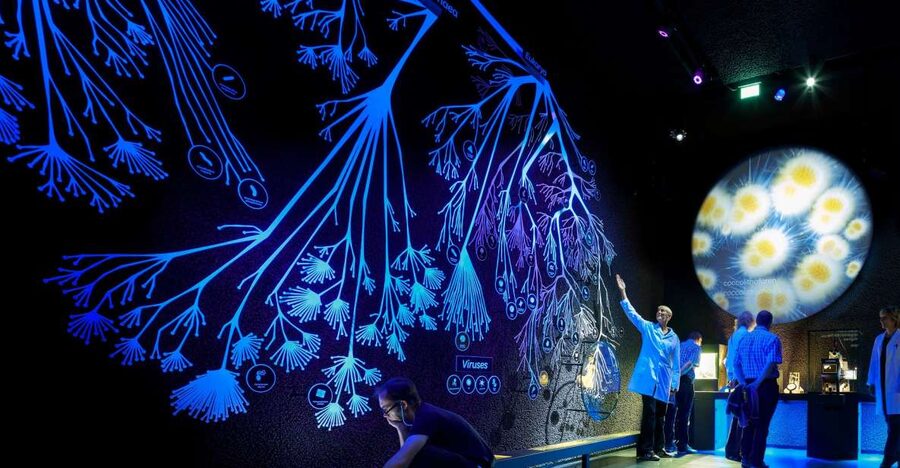
Most people seem to spend about 45 minutes to nearly two hours. That range makes sense because the museum has both fast interactive moments and slower reading stations.
Here’s a pace I’d recommend:
- Start with the scan and stamp trail so you get your “mission” momentum early.
- Then move into the microscope and living-display areas where you’ll want a little extra time.
- Keep one buffer slot for lab talks, since those can shift how your hour feels.
If the museum is not busy when you arrive, you’ll be able to linger longer at your favorite stations. If it is busy, the stamp approach still helps you move through efficiently without losing the plot.
Price and Value: What $21 Gets You
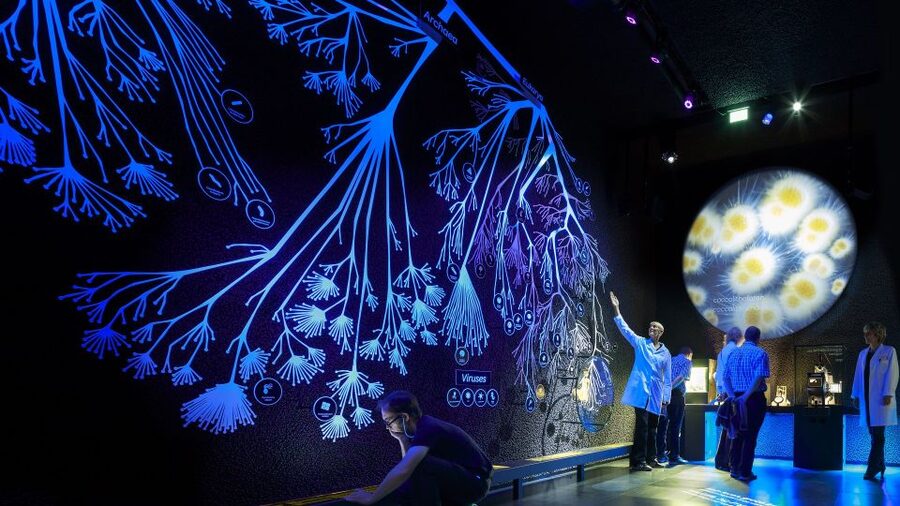
The ticket price is listed as $21 per person. On paper, that can sound steep for a museum that is smaller than the big-ticket names in Amsterdam. But Micropia’s value comes from interaction and the personal scan, not from sheer square footage.
You are getting:
- Admission to ARTIS-Micropia
- The stamp trail experience
- Access to the micro-focused exhibits and displays
- Daily lab talks as part of the day’s programming
In other words, you pay for participation and learning, not just for looking at glass cases. If you like interactive museums, the price often feels fair. If you prefer museums that are mostly quiet and self-contained, you may notice less time to fully justify the cost.
A common caution from the feedback is that it can feel a little pricey for the amount of content. That’s why I’d set expectations: think 1 to 2 hours of very focused science fun, not an all-day event.
Combine With ARTIS Zoo or the ARTIS-Groote Museum (Only If You Want More)
Micropia is part of ARTIS, so you can keep going after the micro world. The info points out a combination ticket option that can include:
- ARTIS-Groote Museum, where you discover how everything is connected, including human, animal, plant, and microbe
- Stepping outside into ARTIS Zoo for nature up close
Just note what is not included with your Micropia ticket: admission to the ARTIS Amsterdam Royal Zoo and admission to ARTIS-Groote Museum. So if you want those extras, plan to buy separately or choose a combination ticket.
One travel-smart way to use this: if you already planned a zoo visit, Micropia becomes a high-value add-on because it changes your day’s themes. You go from microbes to animals to ecosystems. If you were only vaguely interested, keep Micropia standalone and save your energy.
Practical Tips That Make the Visit Easier
A couple of small details make a noticeable difference during the visit.
First, the museum is designed for participation. The scan and interactive elements are the core attractions, so you’ll want to keep your schedule light enough that you can slow down when something grabs you.
Second, there are free lockers mentioned by visitors, so you can leave bags and coats and move around comfortably.
Third, the setting is part of the day. You can use the time before your entry to sit for a coffee nearby, then return with your energy intact.
Finally, one honest drawback that pops up in feedback: a review noted that the toilets were dirty for a museum centered on microbes. That’s not something you can plan around completely, but it does affect expectations. If bathrooms are a big concern for you, it’s worth mentally budgeting a quick stop at the right moment and keeping hand wipes handy.
Who Should Book Micropia, and Who Might Skip It
Book Micropia if:
- You like hands-on science and interactive exhibits
- You want a family-friendly learning experience
- You enjoy microbiology themes, or you’re curious about how microbes connect to health and nature
- You want something different from the usual Amsterdam checklist
You might skip or think twice if:
- You dislike interactive science museums and prefer quiet, traditional galleries
- You want an all-day activity with lots of variety across many different themes
- You are very price-sensitive and expect a museum to be huge for the cost
Also consider the age guidance. The recommended age is 8 years or older, and children up to 12 can enter for free. If you’re traveling with younger kids, it’s not stated that they are restricted, but the recommendation suggests the museum is geared toward ages that can engage with the exhibits.
Should You Book This Microbe Museum Ticket?
Yes, you should book ARTIS-Micropia if you want a short, focused Amsterdam visit that feels hands-on and genuinely educational. The personal scan, the stamp trail, and the daily lab talks are the kind of features that make the ticket feel more like an experience than a walk-through.
I’d book with a clear expectation: plan about 1 to 2 hours, not an all-day museum marathon. And go in with curiosity, because the museum is at its best when you let the micro world challenge what you thought you knew.
If you’re visiting during spring break and you have kids, add the Micro Mission to your day. It’s free during the stated hours and it gives the whole experience extra structure.
FAQ
Where is the meeting point for ARTIS-Micropia?
The meeting point is Plantage Kerklaan 38-40.
How long is the ticket valid?
The ticket is valid for 1 day.
What are the opening hours for Micropia?
Micropia is open daily from 10:00 to 17:00. On 24 December it is open 9:00 to 17:00, on 25 December 9:00 to 17:00, on 26 December 9:00 to 17:00, on 31 December 9:00 to 16:00, and on 1 January 10:00 to 17:00.
Is ARTIS-Micropia wheelchair accessible?
Yes, the experience is wheelchair accessible.
Is there a microbe scan at the museum?
Yes. You can scan yourself and uncover the microbes living on and inside you.
What are the age recommendations and child pricing?
The recommended age for Micropia is 8 years or older. Children age 0 to 12 can enter for free.
Does the ticket include anything besides Micropia?
The ticket includes admission to ARTIS-Micropia. Admission to ARTIS Amsterdam Royal Zoo and ARTIS-Groote Museum is not included.
Is there a special activity during spring break?
Yes. During spring break there is the Micro Mission, available every day between 10:00 and 17:00, and you can collect it for free at the ticket desk.
Can I cancel or change plans?
Free cancellation is available up to 24 hours in advance for a full refund. There is also a reserve now, pay later option.
Latest Amsterdam reviews
- Small Group Tulip and Spring Flower Fields Bike Tour★ 4.5 · 14 reviews
- Amsterdam Van Gogh Museum Private Tour for Kids & Families★ 4.0 · 14 reviews
- Zaanse Schans Windmills Private Tour from Amsterdam Airport★ 5.0 · 14 reviews
- Bruges Day Trip from Amsterdam★ 4.5 · 14 reviews
- Volendam: Volendams Museum Entry Ticket★ 4.4 · 14 reviews
- Zaanse Schans Windmills, cheese and clogs and Volendam tour from Amsterdam★ 5.0 · 14 reviews
- Departure from Amsterdam City to Amsterdam Airport AMS by Minivan★ 5.0 · 14 reviews
- Walking Tour about Golden Age Architecture, private local guide★ 5.0 · 15 reviews
Museums, compared.

Moco Museum Amsterdam Entrance Tickets with Banksy & More
Read our review →
Amsterdam’s Weirdest Museum: Ripley’s Believe It or Not!
Read our review →


Browse the lists this tour appears in