
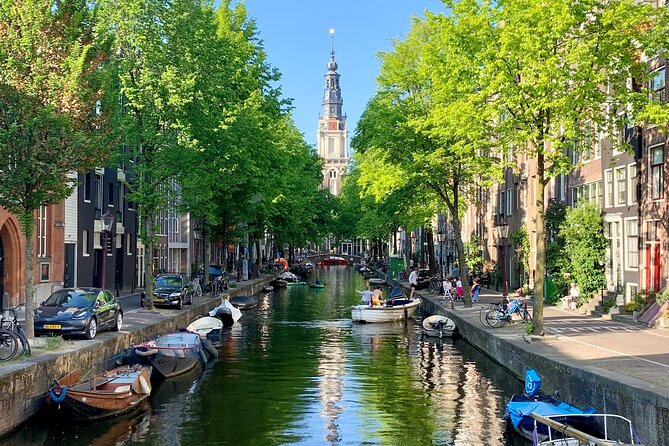
Reviewed · ANNE FRANK HOUSE
Amsterdam : Anne Frank Tour in EN/DE/IT/ES
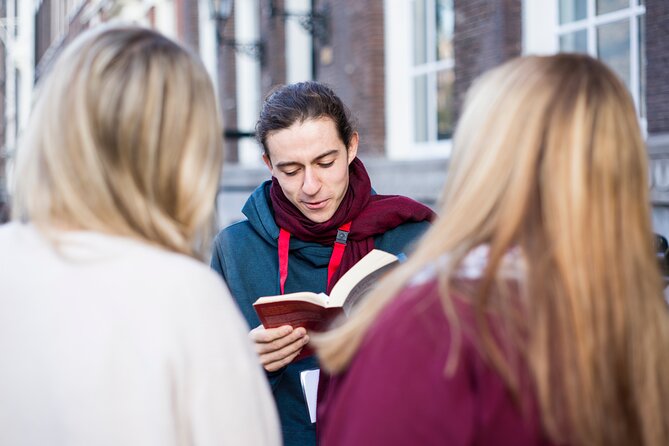
This tour is interesting because it turns Amsterdam’s streets into a clear, moving story of Jewish life, persecution, and remembrance. I love how the guide stitches together what you see on the sidewalk with short Anne Frank diary excerpts, which makes the places feel human instead of distant. I also like the pace, with stops spaced enough that you can look up, ask questions, and actually take in the setting. The main drawback to consider is that this is a walking tour focused on the outside, so it is not the Anne Frank House visit.
You’ll move through the Jewish quarter with a licensed guide speaking native German and English, and you’ll get a small-group feel even though the max size can be large. You start at The Waag area and end at the National Holocaust Names Monument, with exterior views along the way that give you context for what you may want to see next in Amsterdam. If you are expecting ticketed museum time inside places like the Portuguese Synagogue or the Jewish Museum, adjust your expectations early.
Key Highlights Worth Planning For
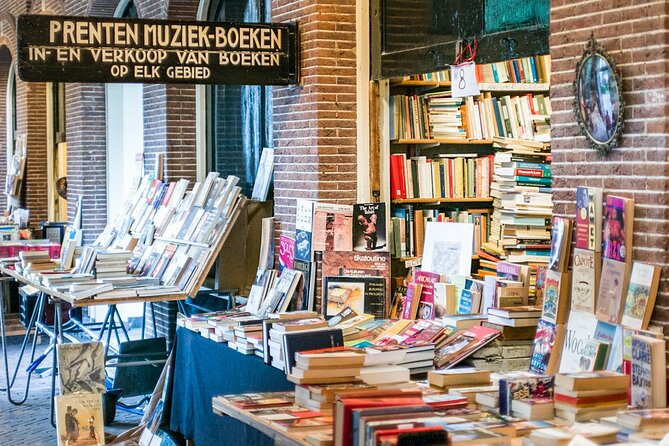
- Nine stops, one story chain, from Nieuwmarkt to remembrance at the names monument
- Anne Frank diary passages, often read aloud to connect the landmarks to her world
- Outside views only, including stops tied to the Portuguese Synagogue and Joods Museum
- A strong remembrance stop, with time at the Auschwitz Monument and the brick-stone Names Monument
- Guides with standout storytelling, from Deborah and Valentina to Antonia and others, based on past tour groups
- Weather-proof walking, because the tour runs in all weather, so bring an umbrella if rain is likely
Why This Jewish Quarter Walk Works So Well in Only Two Hours
Amsterdam can feel like a museum already. This tour uses that advantage. Instead of spending your time in one building, you get a sequence of stops where each location explains the next. You end up understanding the neighborhood as a lived place, then as a target, then as a memorial landscape.
What makes it work is the way the guide links big history to street-level details. When Anne Frank diary passages come into the conversation, the sights stop being just architecture and become proof of daily life, fear, and loss. I also like that the narration is timed well. You are not rushing through each stop like you are in a hurry to catch your next canal cruise.
The other reason it clicks is emotional pacing. There are heavier moments, like Auschwitz Monument and the names monument, but you get actual moments to look and absorb rather than snap photos and move on.
A few other ways to fill a day in Amsterdam
- Amsterdam: Van Gogh Museum Ticket
★ 4.7 · 52,054 reviews - Amsterdam: Heineken Experience Ticket including 2 Drinks
★ 4.6 · 36,014 reviews - Amsterdam Classic Saloon Boat Cruise with Drinks and Cheese
★ 5.0 · 31,825 reviews
Price and Time: Is 35.68 for 2 Hours Good Value
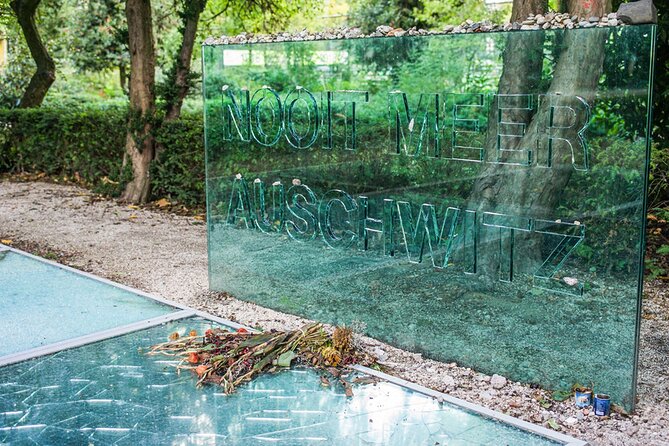
At about $35.68 per person for a roughly two-hour walking tour, this is priced for value over exclusivity. You are not buying entry into major ticketed sites on this route. Many stops are essentially low-cost to free to view, which makes your money go mostly toward the guide and structure.
That matters because this itinerary is all about interpretation. You could walk the Jewish quarter on your own, but you would likely miss the why behind each location. Here, you get explanations for why the first Jewish population chose certain areas, why Rembrandt’s home sits where it does, and how WWII deportation and persecution unfolded in the city.
Two practical notes. First, the tour is bookable in English or German, so you can match it to your comfort level without sacrificing quality. Second, it can be booked ahead well in advance, so if you are trying to line up your schedule around Anne Frank House tickets later, plan early.
The Waag and Nieuwmarkt: Starting Where Amsterdam Chose to Settle
The tour kicks off near Restaurant-Café In de Waag at Nieuwmarkt 4. The first minutes matter because you get oriented in the Jewish quarter before you start moving deeper. It is a good trick for a short tour. Your brain locks onto the area faster.
From there, you head to Nieuwmarkt for about 10 minutes. This stop is about the logic of settlement. You learn why the first Jewish population chose this kind of strategic area to settle in Amsterdam. That is a useful detail because it shifts the story from only tragedy to also community, commerce, and everyday life.
If you like history that is anchored in geography, this is where you start to feel the payoff. Amsterdam’s neighborhoods tell stories, but you need the key.
Rembrandt’s Home Outside Museum Het Rembrandthuis: Why Location Mattered
Next is Museum Het Rembrandthuis. You only spend about 10 minutes, and you stay focused on the exterior, but the point is not to do a museum walkthrough. The guide explains why Rembrandt’s home was situated in the heart of the Jewish quarter and how the artist benefited from that location.
This is one of those moments where Amsterdam’s layers stop being abstract. It becomes easier to picture the neighborhood as it was before the wartime years broke everything apart. Even if you already know basic Amsterdam art facts, you might learn something new about how different communities intersected in the city.
Not the right fit? Amsterdam also runs these:
- Amsterdam Luxury Canal Cruise + Unlimited Drinks & Bites option
★ 5.0 · 30,518 reviews - Amsterdam: Rijksmuseum Entry Ticket
★ 4.7 · 29,512 reviews - Amsterdam: Classic Saloon Boat Cruise with Cheese & Wine
★ 4.6 · 27,035 reviews - Amsterdam: Evening Cruise with Optional Wine and Snacks
★ 4.4 · 22,178 reviews
Auschwitz Monument and the Art of Remembering in Public
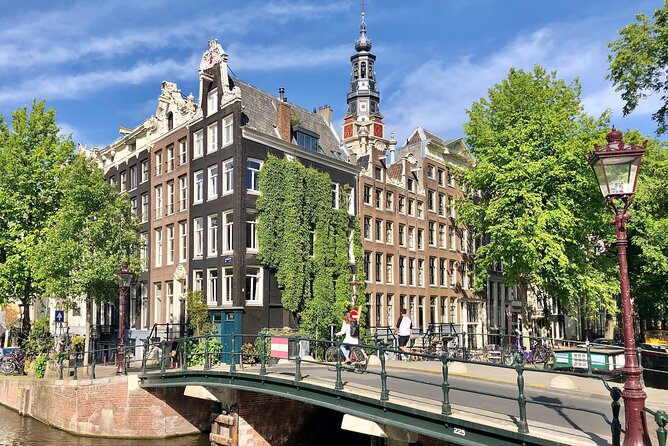
Then the tour turns heavier at the Auschwitz Monument. You get around 10 minutes here. The goal is not spectacle. It’s remembrance, and you take time to learn about how Holocaust victims are remembered in Amsterdam.
This is a stop where the guide’s tone matters. A good guide does not rush you past names and meaning. Instead, they guide you toward understanding why memorials exist where they do, and why they are part of the city’s daily landscape.
If you are the kind of person who likes to read signs slowly and sit with feelings for a minute, you will appreciate that the itinerary gives this section a dedicated chunk of time.
South Church and the Former Black Death Cemetery
After that comes South Church. The tour spends about 10 minutes there, focusing on the secrets of the former Black Death cemetery.
This is not an Anne Frank-only detour. It’s a reminder that the Jewish quarter, like the rest of Europe, was shaped by repeated waves of crisis. You get a broader sense of how fear and death can leave traces in buildings, street plans, and local memory.
It can be a strange contrast. You are coming from Holocaust remembrance and stepping into a different kind of mortality story. The value is that it shows how long-term hardship can echo through a city.
Joods Museum and Portuguese Synagogue: Learning Without Going Inside
Two stops here tend to cause confusion, so I want to be clear.
At Joods Museum, the tour is not visiting the inside. You spend about 10 minutes getting context from the outside and learning how Nazi Germany implemented its characteristic deportation system, connected to the Jewish museum.
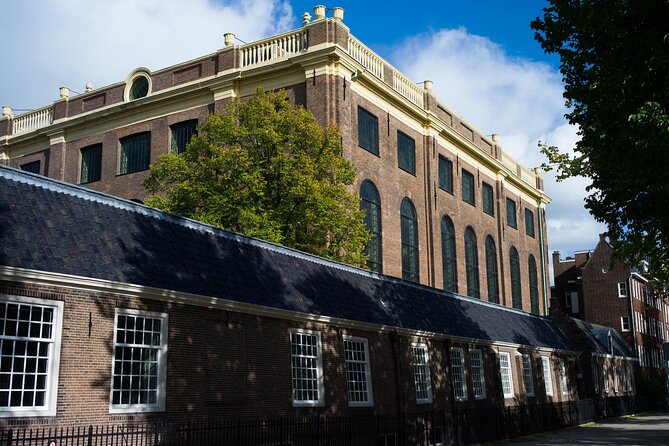
Then you go to the Portuguese Synagoge for about 10 minutes. You learn about the important role Amsterdam’s oldest synagogue played during WWII. In practice, this tour is geared toward seeing from the street rather than going inside.
A real takeaway for planning: if you want synagogue interiors or museum galleries, you should treat this tour as the context layer, not the ticket layer. It pairs well with later self-guided exploration if you choose.
Holocaust Namenmonument: Finding Anne Frank’s Name in 102,000 Brick Stones
The tour’s emotional centerpiece is Holocaust Namenmonument, also called the National Holocaust Names Monument. You get about 15 minutes here, which is a solid amount of time for a public memorial where details matter.
Here’s the standout detail. The monument includes 102,000 brick stones, and you can try to spot Anne’s name. That is the kind of interactive moment that turns remembrance into something you do, not something you just watch.
This is also a good place to slow down and stop asking questions for a minute. Let the guide finish their explanation, then look at the bricks yourself. It hits differently when you are searching, not just reading.
Anne Frank House: The Quick Exterior Look and Why It Still Helps
Near the end, you get an exterior look at the Anne Frank House. It is about 5 minutes, and entry to the Anne Frank House is not included on this tour.
Some people book this tour thinking it includes the House. If that is your assumption, you may feel disappointed. I recommend booking this walking tour as your setup, not your substitute.
Why it helps anyway: by the time you see the House from the outside, you have already learned about the neighborhood and the system of deportation that shaped the story. You will likely make sense of what you see later, whether you visit with tickets another day or just want context for photos and streetscapes.
Guides Who Make It Feel Like More Than Facts
One of the strongest signals from past groups is that the guide makes the tour feel like a story, not a list of stops.
I have seen names like Deborah, Valentina, Antonia, Kaya, Joschka, Linn, and Jesse tied to excellent experiences. Across these guides, a consistent theme shows up: they use diary excerpts and answer questions in a way that helps the group connect emotionally to the places.
You’ll also notice that the narration often includes specific, practical emotional details, like how people facing deportation were forced to pay in ways that made cruelty feel even more bureaucratic. That kind of detail is heavy, but it also makes history stop being vague.
What to Expect Day-of, Including Weather and Walking Comfort
This tour is a walking experience, about two hours. There is a maximum group size of 100 travelers, but it is described as a small group in the offering. Either way, you should expect a steady pace through a dense historic area.
The tour runs in all weather conditions, so bring an umbrella if rain shows up. Even in wet conditions, the itinerary is designed for short stops, not long indoor breaks. If you do not enjoy walking in gray weather, pack a light layer and keep moving.
Also, plan to arrive on time at the meeting point near Nieuwmarkt 4. There is no transfer included to the meeting area, so you will want to get there using public transportation.
Who This Tour Is Best For
This is a strong fit if you want:
- a short, high-impact way to understand the Jewish quarter in Amsterdam
- context for the Anne Frank House, especially if you plan to visit the House separately
- a guide who uses storytelling and diary excerpts, not just dates and names
- an emotional, respectful walk that gives time at major remembrance stops
It might not be the best choice if you want:
- a full day of museum interiors and synagogue entry tickets
- a tour that guarantees Anne Frank House admission
- a light, casual overview where nothing heavy is discussed
Should You Book This Tour or Skip It
Book it if you want the best possible setup for understanding Anne Frank’s story in the place where it unfolded. The price is reasonable for the value you get in interpretation, and the two-hour structure is easier than trying to self-guide every stop perfectly on your first day.
Skip it only if your main goal is to enter the Anne Frank House or if you need inside access to places like the Portuguese Synagogue and the Jewish Museum. This tour is built for street-level context and exterior learning.
If you are willing to treat it as your groundwork, you will likely leave with a clearer sense of the neighborhood, a deeper understanding of the deportation system, and a very direct experience of remembrance at the Holocaust Names Monument.
Latest Amsterdam reviews
- Small Group Tulip and Spring Flower Fields Bike Tour★ 4.5 · 14 reviews
- Amsterdam Van Gogh Museum Private Tour for Kids & Families★ 4.0 · 14 reviews
- Zaanse Schans Windmills Private Tour from Amsterdam Airport★ 5.0 · 14 reviews
- Bruges Day Trip from Amsterdam★ 4.5 · 14 reviews
- Volendam: Volendams Museum Entry Ticket★ 4.4 · 14 reviews
- Zaanse Schans Windmills, cheese and clogs and Volendam tour from Amsterdam★ 5.0 · 14 reviews
- Departure from Amsterdam City to Amsterdam Airport AMS by Minivan★ 5.0 · 14 reviews
- Walking Tour about Golden Age Architecture, private local guide★ 5.0 · 15 reviews