
Reviewed · SECOND WORLD WAR HISTORY
The Battle of Arnhem (from Amsterdam)
Few WWII locations hit as hard as the Battle of Arnhem, where a bridge and a few risky decisions helped shape Operation Market Garden. I love the chance to stand at John Frost Bridge, because it turns a chapter of history into a real place you can pace and picture. I also like how the guide ties it together with stories about people, not just dates. The one possible drawback, it is an 8-hour day with a fair amount of walking and time outdoors.
This is a private tour with pickup from central Amsterdam, so your day stays simple and flexible. You start at 9:00 am and get one museum stop where admission is covered, plus field sites where you can stop, look, and ask questions. If you want a quick checklist of photos with minimal context, you might feel a bit out of sync.
Key Things To Know Before You Go
- John Frost Bridge first: You spend time at the span that was the main target of Operation Market Garden.
- Hartenstein Museum with context: Admission is included for the former British HQ museum focused on the airborne operation.
- Wolfhezerheide drop zones: You visit the areas tied to British airborne troop landings, with time to orient yourself.
- Guide Martin van Elmpt sets the tone: Expect a flexible, story-led day where you can follow what interests you most.
- Film and book connections if you want them: If you have seen A Bridge Too Far, the guide can help map scenes to real sites and explain what matches.
- Museum fees covered, food is on you: Lunch and dinner are not included, so plan for a meal break.
Why the Battle of Arnhem Works So Well From Amsterdam
The Battle of Arnhem is one of those WWII stories that refuses to stay on a map. Even if you only know the title A Bridge Too Far, once you see the area around the Rhine and learn what the British hoped to pull off, the stakes feel immediate. This tour is interesting because it is built around the spaces where events unfolded, not just a lecture in a room.
I like that the day keeps you moving between key points, but it still leaves room to pause. You do not just drive past things and keep going. You also get a guide who can connect the big picture to specific details, like why certain units were where they were, and how the terrain mattered.
One more thing I appreciate is the pacing. It is scheduled as an 8-hour experience, so it does not try to cram in everything about WWII in one day. Instead, it gives you time to understand the Arnhem chapter without feeling rushed.
A few other ways to fill a day in Amsterdam
- Amsterdam: Van Gogh Museum Ticket
★ 4.7 · 52,054 reviews - Amsterdam: Heineken Experience Ticket including 2 Drinks
★ 4.6 · 36,014 reviews - Amsterdam Classic Saloon Boat Cruise with Drinks and Cheese
★ 5.0 · 31,825 reviews
Pickup From Central Amsterdam, Then You Get Out of the City
Logistics are usually the boring part of day trips. Here, the basics are handled well. You get round-trip transit from central Amsterdam, and the start time is 9:00 am, which helps you beat the worst traffic and crowds. There is also mobile ticketing, which saves you time on the day.
Because you are picked up and sent back, you do not have to wrestle with trains or buses. That matters in a WWII tour, because you will want to stay focused on the stops, not your transfer schedule.
You should also know this is rated for moderate physical fitness. That usually means you should be ready for some walking between sites and spending time standing while you absorb information. If you have mobility limits, it is worth considering in advance.
Stop 1: John Frost Bridge (John Frostbrug) and the Weight of a Single Objective
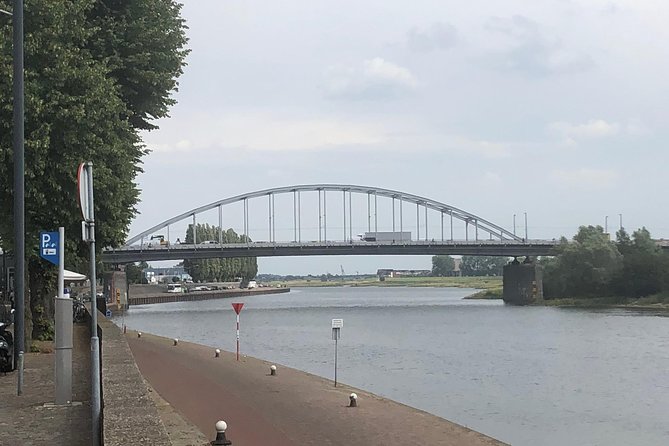
John Frost Bridge is the emotional anchor of the day. Operation Market Garden had bold goals, and this bridge became the main target around which the fighting intensified. Seeing it first is smart, because it gives you a reference point right away. After that, everything else makes more sense.
You spend about 20 minutes at the bridge area, and admission is free. That short window is not meant to replace a long museum visit. It is meant to get your bearings and let the guide point out what matters in the surrounding layout, so you can visualize why the area was so contested.
When I think about visiting a place like this, I think about two things you can do to make the stop really click:
- Take a slow walk around your immediate viewpoints, so the guide can link positions to decisions.
- Listen for the human scale. Places are one thing, but the story is what makes it stick.
If you are the kind of person who likes to understand how events actually unfolded second by second, this is a strong starting point. If you prefer a more general overview first, you might feel the bridge hits hard immediately, but that is also the point.
Stop 2: Hartenstein Museum at the Former British HQ (Admission Included)
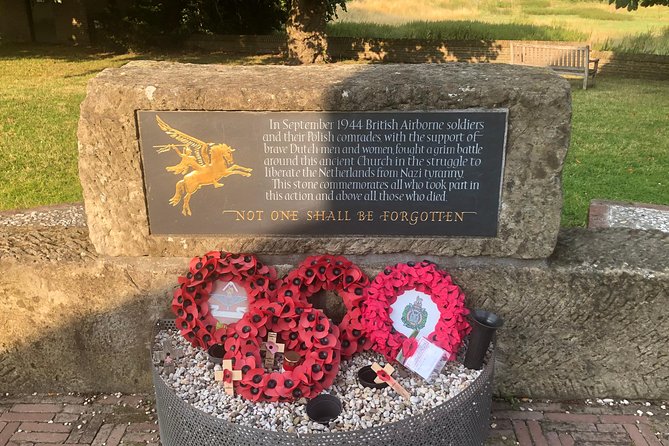
The Airborne Museum at Hartenstein is where the story gains depth. This is a former British HQ, and the museum explains the airborne operation connected to Operation Market Garden. It is about an hour long, and admission is included, so you do not have to add ticket costs or hunt for entry details.
This stop is valuable because it gives you context for what you saw at the bridge. On a WWII battlefield tour, museums can sometimes feel like a detour. Here, it feels like the explanation after the impact. You learn the plan, then you learn the reality.
One of the most memorable details from the experience is that the museum can include an interactive, simulated glider moment, including an exit after landing. That kind of staging can be surprising because it makes the airborne aspect feel more immediate than plain photos and text.
Practical tip: if you want to get the most out of the hour, go in ready to ask questions. Your guide can help connect what the museum shows to what you will see outside afterward, especially when it comes to troop movements and the larger Arnhem perimeter.
Not the right fit? Amsterdam also runs these:
- Amsterdam Luxury Canal Cruise + Unlimited Drinks & Bites option
★ 5.0 · 30,518 reviews - Amsterdam: Rijksmuseum Entry Ticket
★ 4.7 · 29,512 reviews - Amsterdam: Classic Saloon Boat Cruise with Cheese & Wine
★ 4.6 · 27,035 reviews - Amsterdam: Evening Cruise with Optional Wine and Snacks
★ 4.4 · 22,178 reviews
Stop 3: Wolfhezerheide Drop Zones and Reading the Terrain
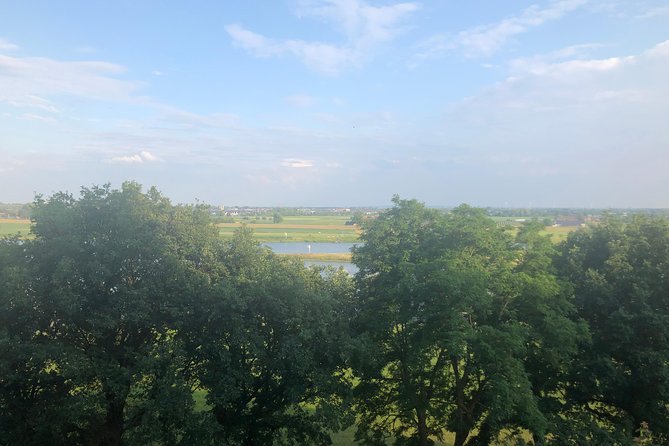
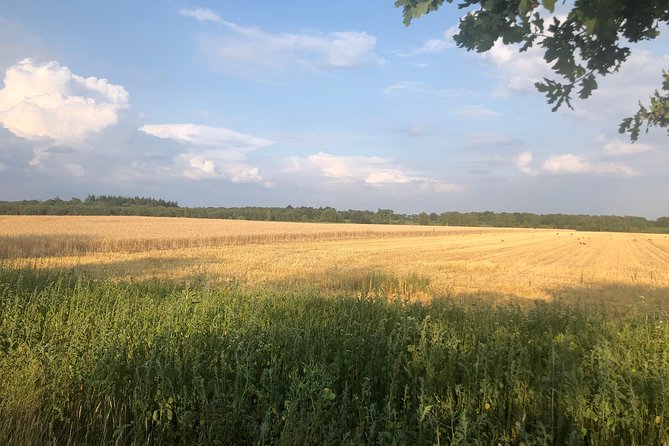
Wolfhezerheide is about understanding the jump from planning to geography. This stop focuses on the drop zones of the British Airborne troops. It is around an hour, and admission is free, but you should not treat it as a quick walk in open ground. The area is part of the story, and the guide can help you read why these locations were selected and what challenges they brought.
This is where you start thinking like the forces involved. Terrain affects visibility, movement, and how quickly troops can regroup after landing. Even if you are not an amateur military historian, you can follow along because your guide can translate what you see into what it meant in 1944.
What you will likely enjoy most here is the ability to slow down. A bridge gives you a clear focal point. Drop zones are harder to visualize if you only have a headline in your mind. With time on the ground, you can orient yourself and better understand why the operation encountered such difficulty.
If you are traveling with someone who likes big-picture history, this stop gives them a place to anchor the airborne concept. If you are a film-and-book person, this stop is also where comparisons start making sense.
Following the Story the Way You Want, With Martin van Elmpt
The biggest strength of this tour is how the day can flex around your interests. Your guide is Martin van Elmpt, and he is known for extensive detail and for answering questions in a way that actually helps you understand the battle, not just collect facts.
A key theme from this kind of private tour is pacing and attention. In a group setting, you often get pulled along by the schedule. Here, Martin can adjust. That matters because Arnhem history is not just one straight line. It connects to units, commanders, and specific locations around the Rhine and the perimeter.
If you have seen A Bridge Too Far, you might get extra satisfaction from how the guide maps film scenes to real places and points out what is accurate and what is not. Even if you have not seen it, you will still benefit from the guide turning the broad storyline into something you can stand in and understand.
There is also a “personal stakes” element that can come up naturally in private tours. People sometimes want to follow a family member’s connection to the operation. When that is part of the conversation, the day can feel less like tourism and more like a careful act of remembrance.
Time in the Right Places, Not Everywhere
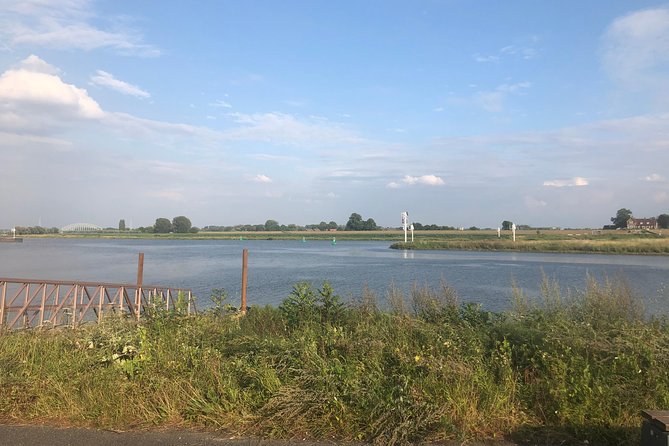
This experience is designed around a small set of stops, which is a quiet win. You do not feel like you are constantly reloading the van, and you spend the right amount of time at each place rather than rushing through everything.
About the rhythm:
- You start early at 9:00 am.
- You begin with the bridge, which sets the context.
- You spend about an hour at Hartenstein to build understanding.
- You finish with the Wolfhezerheide drop zones, which helps you grasp the operation in terrain terms.
You can also find that the guide may add or emphasize other relevant sites connected to Arnhem and the wider operation. In some versions of the experience, that has included places tied to commanders and units around the Arnhem perimeter, plus spots that help explain the wider attempt to cross water. The common thread is that these additions still serve the story, not just add random stops.
Just remember: it is still an 8-hour day. Even with a private guide, you should plan your energy. Wear comfortable shoes and keep your expectations realistic for a long history day.
Price and Value: What $414.53 Really Buys You
At $414.53 per person, this is not a budget excursion. But it also is not priced like a generic “drive by the sights” outing. You are paying for several things that add up in a meaningful way:
- A private format, meaning your time with the guide is tailored to your questions.
- Round-trip transit from central Amsterdam, so you are not building your own route under pressure.
- Admission coverage for the museum stop, plus museum fees included.
- A guide who can explain the battle with real specificity, including how scenes from A Bridge Too Far line up with real-world geography.
Also, this experience is booked, on average, about 95 days in advance. That is a hint that the dates fill up, and Martin’s time is not unlimited. If you know you want this, locking in earlier usually gives you more choice.
One more angle on value: group discounts can apply. If you are traveling with family or friends, splitting the private experience can turn the cost into something that feels much more reasonable. Even without a discount, the day’s structure is what makes it feel worth it: less chaos, more story, and actual time at the places that matter.
What You Should Plan For Yourself (Lunch, Comfort, and Timing)
Lunch and dinner are not included. That is common for day tours, but it matters more on a history day, because you will want to keep your energy steady for the outdoor parts. If you get hungry, you can lose focus, and the whole point of a WWII tour is attention.
The duration is around 8 hours, so I suggest you treat it like a full day. Plan to eat before you start if that helps you. Or plan a meal stop during the day, even if it means grabbing something simple near where you are.
Because you have moderate physical fitness requirements, pack for walking. Comfortable shoes are not a luxury here. Bring a light layer if the weather is cool, and consider rain protection, since outdoors stops are part of the experience.
Who This Tour Fits Best
This is a strong match if you want WWII history tied to real places. If you love Operation Market Garden, the Arnhem perimeter, airborne troop landings, or you want to understand how a specific objective like John Frost Bridge affected everything afterward, you will likely enjoy the way the tour builds from stop to stop.
It is also a good fit for people who dislike crowds and want a pace that supports questions. The private format is a big deal, because it gives you control over what you care about most.
If, on the other hand, you prefer large group tours that move like clockwork, or you want a more general overview without much detail, this may feel too focused. The same goes for anyone who wants pure spectacle over serious context. Arnhem is serious by nature.
Should You Book the Battle of Arnhem Tour From Amsterdam?
If you want to understand the Battle of Arnhem beyond headlines, this is the kind of day that helps the story click. The combination of John Frost Bridge, the Hartenstein Museum with included admission, and the Wolfhezerheide drop zones makes the history feel grounded in geography. Add in a guide like Martin van Elmpt, who can answer questions and connect details to the real landscape, and the experience becomes more than a checklist.
I would book it if you are a WWII history fan, a film-and-book follower of A Bridge Too Far, or someone who values an intimate, guided day over wandering on your own. If you are only looking for brief photo stops, you might want to choose something less story-heavy.
FAQ
How long is the Battle of Arnhem tour from Amsterdam?
The tour is about 8 hours.
What time does the tour start?
It starts at 9:00 am.
Is this a private tour?
Yes. It is a private tour/activity, and only your group participates.
Are museum tickets included?
Yes. Museum fees are included. The Airborne Museum at Hartenstein admission is included, while admission at John Frost Bridge and Wolfhezerheide is listed as free.
Does the price include lunch or dinner?
No. Lunch and dinner are not included.
Can I get a refund if I cancel?
You can cancel for free up to 24 hours in advance for a full refund.
Latest Amsterdam reviews
- Small Group Tulip and Spring Flower Fields Bike Tour★ 4.5 · 14 reviews
- Amsterdam Van Gogh Museum Private Tour for Kids & Families★ 4.0 · 14 reviews
- Zaanse Schans Windmills Private Tour from Amsterdam Airport★ 5.0 · 14 reviews
- Bruges Day Trip from Amsterdam★ 4.5 · 14 reviews
- Volendam: Volendams Museum Entry Ticket★ 4.4 · 14 reviews
- Zaanse Schans Windmills, cheese and clogs and Volendam tour from Amsterdam★ 5.0 · 14 reviews
- Departure from Amsterdam City to Amsterdam Airport AMS by Minivan★ 5.0 · 14 reviews
- Walking Tour about Golden Age Architecture, private local guide★ 5.0 · 15 reviews