
Reviewed · ANNE FRANK HOUSE
Anne Frank Story & Private 2-Hour Neighborhood Tour
Walking in the footsteps of Anne Frank on ordinary streets is what makes this tour hit. I love that you get the story in a real neighborhood setting, not just as dates and names, and I love that the focus stays on Anne’s childhood, including how her diary survived and reached readers. One thing to consider up front, though: this is not a tour that includes entry to the Anne Frank House, and the neighborhood you see is in Amsterdam South.
I also like the private-guide feel. On this 2-hour walk, your guide can slow down for questions, correct common myths, and connect the facts to what daily life looked like in that part of the city. For example, I’ve heard guides such as Saskia and Linda (including Linda Verbeek) described as especially good at tying details together, and even helping with practical planning when people assume the museum is nearby.
Your main decision point is logistics and expectations. If you want a stop-by-stop museum-style experience inside historic buildings, you’ll be happier doing the museum separately and treating this walk as the story’s street-level context, with a cup of coffee included at the end.
Key things you’ll notice on this Anne Frank neighborhood walk
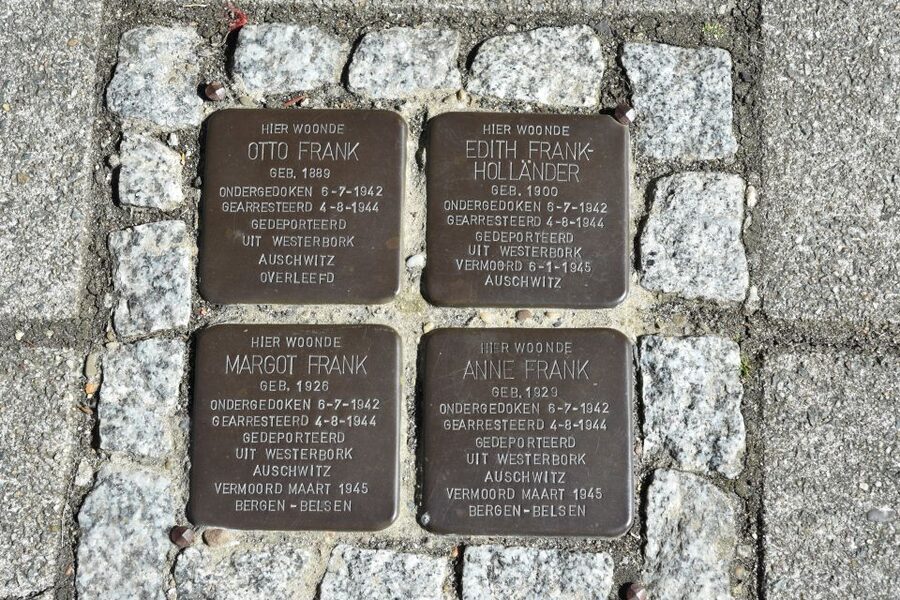
- A childhood-first route in Amsterdam South, away from the busiest center
- The diary story made practical, from hiding to how the diary got published in June 1947
- A private guide who can adjust, so you do not lose time on miscommunication
- Facts vs fiction commentary, so you can separate what is known from what gets repeated
- A coffee included moment, useful for questions after the walk ends
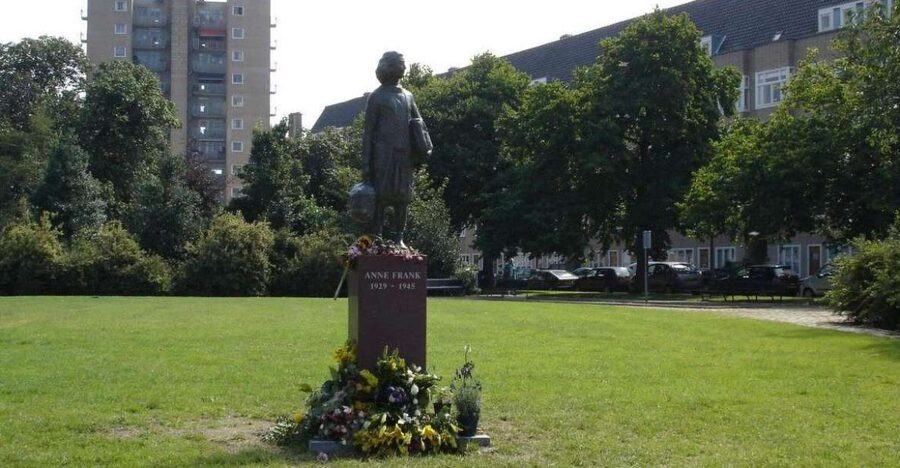
- Meeting point that is specific, at Merwedeplein 61 near a statue of Anne Frank
Why Anne Frank’s streets in Amsterdam South feel different than the museum
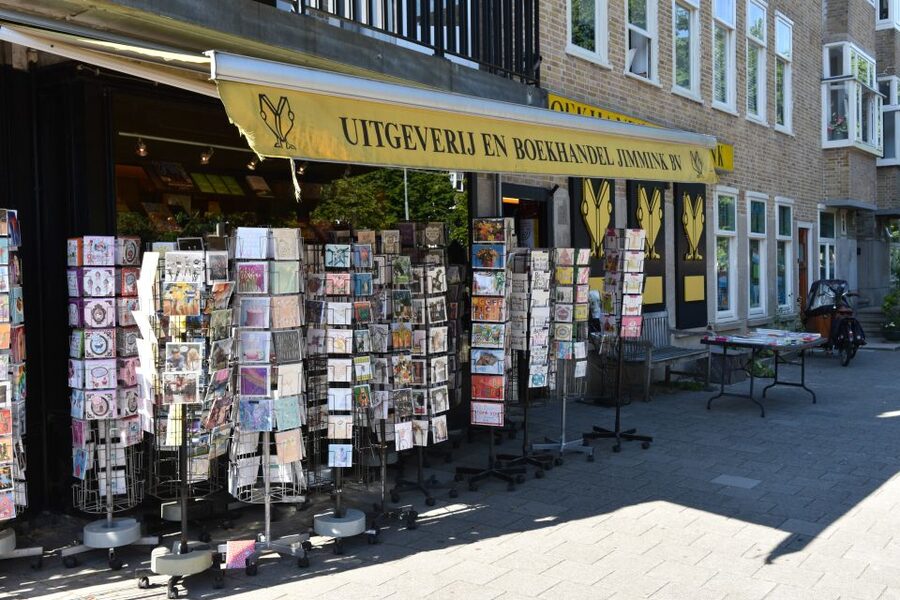
The Anne Frank story is famous worldwide, but hearing it while walking through a quiet residential area gives it a different kind of weight. Here, the focus is on the period when Anne lived in Amsterdam, from when she moved there as a child until the family went into hiding. You do not just learn what happened, you get a sense of what life looked like before it was shattered.
The tour is also structured to keep you oriented. You start with context, then you move through the area where she spent her childhood years, including places connected to school, play, and daily routines. That matters because the diary does not read like a single shocking event. It reads like a living record of a normal life under extraordinary pressure.
I especially appreciate that the guide does not treat this as a one-track lecture. You get commentary on the facts and the fiction around Anne Frank, which helps you avoid common shortcuts and repeated myths you might encounter elsewhere. The story portion also covers how the diary was handed over after the war, which is the part many people remember only in broad strokes.
The big caveat is distance and access. This tour shows the neighborhood where she grew up, but it does not include Anne Frank House entry. You will need to handle that separately, and this walk is about 30 minutes away from the museum area.
A few other ways to fill a day in Amsterdam
- Amsterdam: Van Gogh Museum Ticket
★ 4.7 · 52,054 reviews - Amsterdam: Heineken Experience Ticket including 2 Drinks
★ 4.6 · 36,014 reviews - Amsterdam Classic Saloon Boat Cruise with Drinks and Cheese
★ 5.0 · 31,825 reviews
Where the tour actually starts: Merwedeplein 61, with a clear Anne Frank meeting point
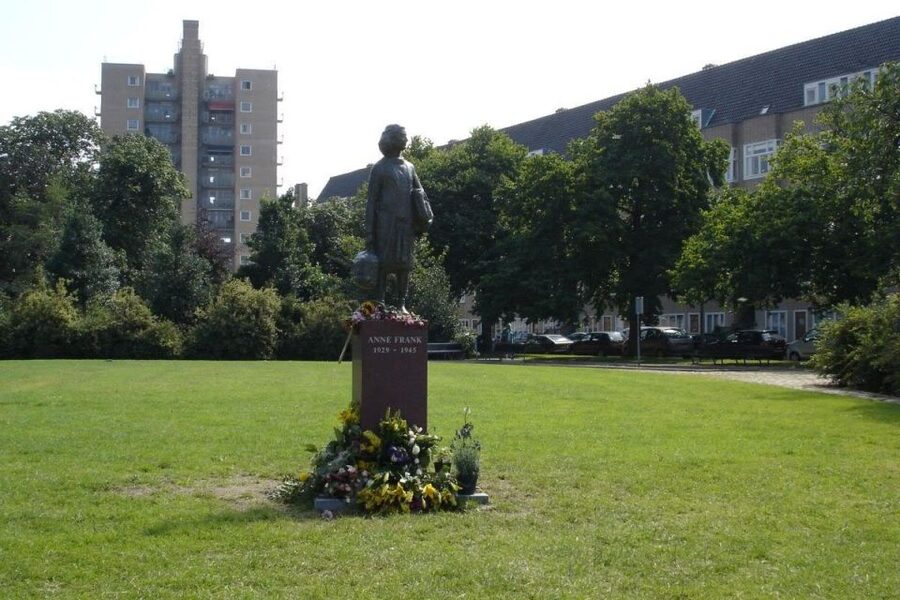
You meet at Merwedeplein 61, Amsterdam, on the corner of Merwedeplein and Biesboschstraat, on the grass by the statue of Anne Frank holding her bag and schoolbooks. That is a nice detail because it helps you orient immediately, even if you are arriving from a different part of Amsterdam.
The meeting point is in Amsterdam South, not central Amsterdam. That’s fine, but plan for it. Expect to use tram or taxi, and know that the nearest tram access is tram 4-12, stop Waalstraat. If you try to do everything on foot from the Anne Frank House museum, you’ll likely be fighting distance rather than enjoying the walk.
Also, this is a private group tour, so the timing and starting point matter even more. You do not want to be the person sprinting through the neighborhood at the last minute.
Practical tip: wear comfortable shoes. You are on a neighborhood walk for about two hours, so even if the route is not described as a long hike, the ground adds up.
The two-hour structure: a story arc from childhood to hiding
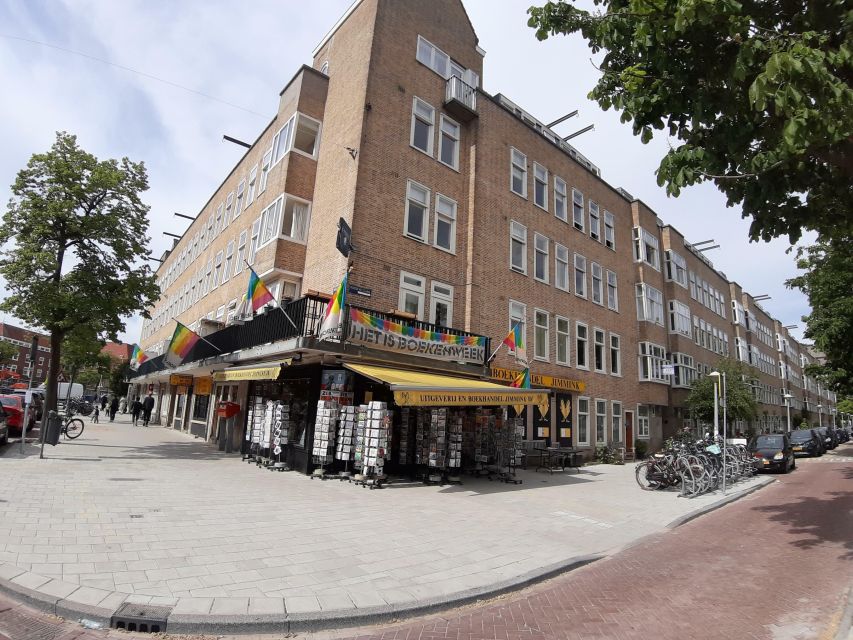
This is a 2-hour walk, and the best way to think about it is as a story arc. The guide starts by framing the diary and what it means, then moves through the area connected to Anne’s childhood, and finally connects those childhood details to what led to the secret annex period.
Here’s how the story focus lands, step by step:
- Childhood Amsterdam South orientation
You learn about Anne Frank’s life in Amsterdam during the years she was growing up. The guide shows where she spent time and where her routines took place, including references to school and play. Even if you cannot see something “touristy” at every corner, the value is in the explanation. You begin to picture how a child experiences a city.
- The diary and what it captured
You hear the diary story as a narrative, not just a summary. The tour explains that her diary describes the period when her family and 4 others spent time in a secret annex hidden from Amsterdam’s German occupiers.
- The survival and handoff after the war
A key moment is how the diary came to be preserved and then passed along. The tour includes that Miep Gies handed the diary to Otto Frank after the war. Otto was the father, and the handoff part matters because it shows the diary was not just written, it was protected.
- Why it was published in June 1947
Otto Frank was reluctant to publish at first. The tour explains what changed: he read in the diary that it was Anne’s wish for it to be published. You learn that the book became public in June 1947.
- Facts and fiction commentary as you walk
As you move through the neighborhood, the guide adds commentary that helps you separate well-known facts from the stories that get distorted over time. This is one of the best parts of a guided walk because it keeps your memory clean later on when you compare sources.
What you’ll see, even if the streets look quiet
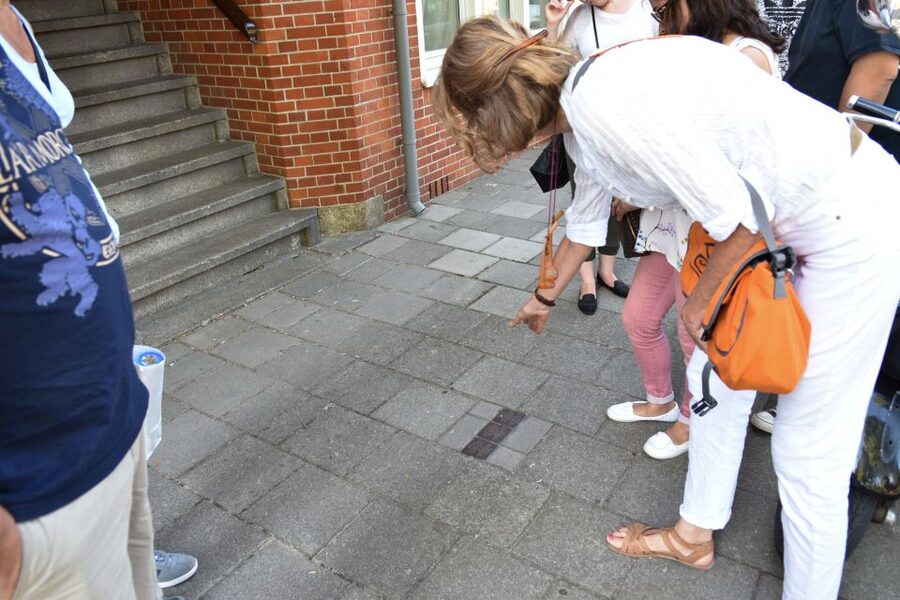
One reason this tour earns strong marks is that it teaches you how to look at an everyday neighborhood. In Amsterdam South, you might expect more “big sight” energy, but the payoff comes from understanding the human scale. You are walking through a residential area where the story makes more sense when you can imagine the day-to-day.
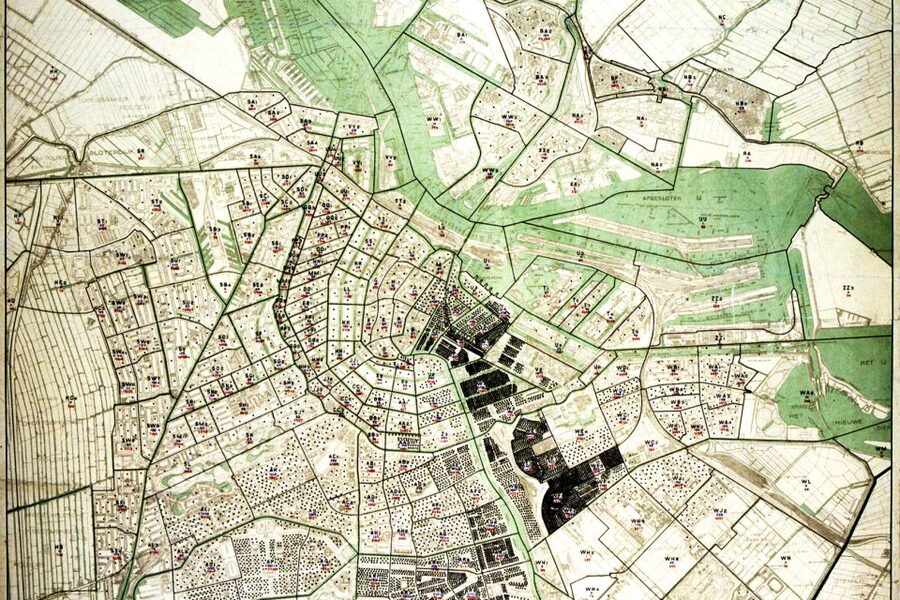
The tour is designed so you leave with a mental map, not just an emotional moment. Your guide will point out places where Anne spent her childhood and will explain how those spaces connect to the larger story.
A practical note: there is not an expectation of stepping inside sites tied to Anne Frank during this specific walk. It’s about the neighborhood context and the narrative connection, not museum admissions. That’s why you should treat it as a complement to the Anne Frank House, not a replacement.
If you prefer quieter, less crowded experiences, this is a strong match. You’re not stuck in the thick of major tourist flows, and the atmosphere tends to make questions feel easier because the pace is human.
Not the right fit? Amsterdam also runs these:
- Amsterdam Luxury Canal Cruise + Unlimited Drinks & Bites option
★ 5.0 · 30,518 reviews - Amsterdam: Rijksmuseum Entry Ticket
★ 4.7 · 29,512 reviews - Amsterdam: Classic Saloon Boat Cruise with Cheese & Wine
★ 4.6 · 27,035 reviews - Amsterdam: Evening Cruise with Optional Wine and Snacks
★ 4.4 · 22,178 reviews
The diary discussion: why it matters to hear it on the street
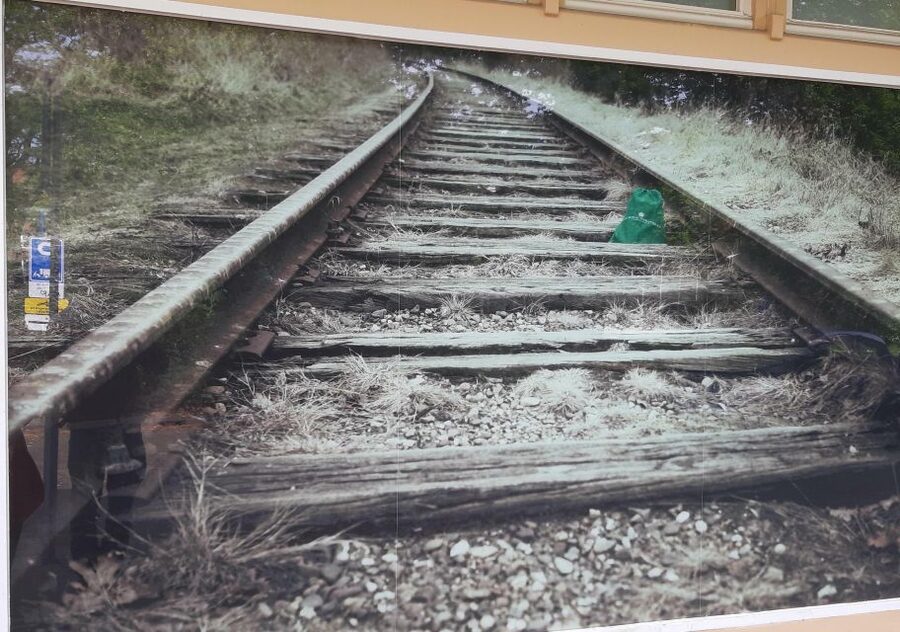
This tour’s diary focus is not just about what Anne wrote. It’s about what happened to the diary and why it became public. When you learn the details in a walking setting, the story feels more connected to real outcomes: protection, a handoff, a decision, then publication.
The names and dates you hear are the backbone of that connection:
- Miep Gies, who saved belongings after the raid and later handed over the diary to Otto Frank
- Otto Frank, who was reluctant to publish until Anne’s wish came through clearly in the diary
- June 1947, when the diary became public
- The secret annex period, where Anne’s family and 4 others hid from German occupiers
What I like here is that it is not only tragic. It gives you a reason the diary endured. The guide’s commentary also helps you avoid the trap of reducing Anne Frank to a single idea. You get a sense of her personality and her day-to-day life as a child, which keeps the story grounded.
And if you bring questions, a good guide will handle them. People mention guides who stayed helpful even after the walk ended, which makes sense. Topics like this do not end neatly at the last minute of a tour route.
Private guide perks: languages, pacing, and adapting to your needs
This is a private group tour, meaning you’re not being squeezed into a fast-moving pack. In practice, that matters for two reasons.
First, it helps you ask follow-up questions. A private guide can slow down where you want more clarity, whether it’s on diary history or what life in the neighborhood might have meant for a child.
Second, it can save you from common mix-ups. I’ve seen cases where people assumed the tour was tied directly to Anne Frank House entry. A strong guide response is to adapt and clarify, and some guides have been praised for doing that, including offering helpful direction on tickets when people wanted to pair the walk with a museum visit later.
Language coverage is also practical: the live guide can work in English, Spanish, French, German, Italian, and Dutch. If you want the story told in a language you’re comfortable with, that matters. The diary story relies on nuance, and translations can make a difference.
Coffee included: the useful final moment, not a random add-on
Included with the tour is a cup of coffee. That might sound small, but it’s the kind of ending that gives you time to reset. After two hours of serious history, having a casual pause helps you absorb what you heard.
Also, coffee time is a good moment to ask practical questions, like how to time your Anne Frank House visit next or how to get around Amsterdam smoothly between areas. On this kind of tour, those real-world tips can make your whole day work better.
Price and value: when $182 makes sense
At $182 per person for a 2-hour private guided walk, the value comes from what you’re paying for: a private guide who can tailor pacing, explain context, and cover the diary and publication story in a way that sticks.
If you were doing this same experience alone with a guidebook, you’d miss the thread. The tour is about connecting childhood spaces to the diary narrative, and that takes explanation, not just photos.
A second value point is the included coffee. It’s not the main reason to book, but it turns the experience into something more complete than a “walk and go” setup.
Now the balance check. You do not get Anne Frank House tickets with this tour. Tickets are handled separately on the Anne Frank House website and need to be purchased within a window of about two months ahead of your visit. So if you are trying to bundle everything in one booking, you’ll need to plan the museum leg separately.
The best way to view this price is as a story-focused neighborhood guide fee. If that’s what you want, it can feel fair. If you mainly want museum entry, you may decide to spend your money there first and use this as an add-on only if you still crave more context.
Plan your Anne Frank House visit so you do not waste time
A common issue with Anne Frank planning is distance. This walk begins in Amsterdam South and the meeting point area is about 30 minutes from the Anne Frank House museum. That’s why the tour description should be read carefully. This neighborhood walk does not grant you access to the museum and does not bring you inside.
So how should you connect the two experiences?
- If you want the museum to feel sharper, do the neighborhood walk either before or after, but not so late that you’re too tired to care.
- Build in real transport time between South and the museum area.
- Since museum tickets must be bought directly from the Anne Frank House site, plan your museum day early. The tour does not handle ticket purchasing as part of the package.
One more practical note: if you are trying to line up timing, the two experiences are best seen as complementary. The museum shows the specific site tied to the hiding period. This walk shows the childhood street-level context that shaped the diary voice in the first place.
Who this tour fits best, and who might want something else
This private neighborhood tour is a great fit if you:
- want the Anne Frank story explained with clear narrative structure, including how the diary was preserved and published
- prefer quiet residential Amsterdam South over being stuck in the busiest center
- like walking tours with a guide who can answer questions and adjust pacing
- are planning a full Anne Frank day and want the neighborhood context to make the museum feel more personal
You might choose differently if you:
- mainly want Anne Frank House entry, because that is not included here
- expect a lot of major landmarks you can photograph every few minutes
- want something longer or more stop-heavy than two hours
Should you book this Anne Frank neighborhood tour?
If your goal is to understand Anne Frank through childhood context, diary history, and the human scale of Amsterdam South, I think this booking makes sense. The private format helps a lot, and the included coffee gives you a calmer landing after a serious story.
I’d especially recommend it if you are pairing it with the Anne Frank House visit. Do the museum for the site-specific impact, then use this walk to connect the diary to the street-level life that made Anne’s writing feel so real.
The one reason to hesitate is simple: you must plan the museum tickets separately, and you should expect the neighborhood walk to be different in feel than a museum visit. If that matches what you want, book it with confidence.
FAQ
Where is the meeting point for the tour?
You meet at Merwedeplein 61, Amsterdam, on the corner of Merwedeplein and Biesboschstraat, on the grass by the statue of Anne Frank holding her bag and schoolbooks.
How long is the tour?
The tour lasts 2 hours.
Is Anne Frank House entry included?
No. Tickets for the Anne Frank House are not included, and this tour does not grant access to the Anne Frank House.
How do I get to the meeting point by tram?
You can reach the meeting point by tram 4-12, with the stop listed as Waalstraat.
Is hotel pickup included?
No, hotel pickup is not included.
What is included in the price?
The price includes a private guide for your group and a cup of coffee.
What languages are available for the live guide?
The guide is available in English, Spanish, French, German, Italian, and Dutch.
What should I bring?
Wear comfortable shoes.
What is the cancellation policy?
You can cancel up to 24 hours in advance for a full refund.
Latest Amsterdam reviews
- Small Group Tulip and Spring Flower Fields Bike Tour★ 4.5 · 14 reviews
- Amsterdam Van Gogh Museum Private Tour for Kids & Families★ 4.0 · 14 reviews
- Zaanse Schans Windmills Private Tour from Amsterdam Airport★ 5.0 · 14 reviews
- Bruges Day Trip from Amsterdam★ 4.5 · 14 reviews
- Volendam: Volendams Museum Entry Ticket★ 4.4 · 14 reviews
- Zaanse Schans Windmills, cheese and clogs and Volendam tour from Amsterdam★ 5.0 · 14 reviews
- Departure from Amsterdam City to Amsterdam Airport AMS by Minivan★ 5.0 · 14 reviews
- Walking Tour about Golden Age Architecture, private local guide★ 5.0 · 15 reviews