
Reviewed · ANNE FRANK HOUSE
Amsterdam: Anne Frank and Jewish Quarter Tour
Amsterdam’s Jewish Quarter tour is interesting because it ties the city’s everyday street life to some of the darkest chapters of the 20th century. What makes it work is the mix of famous names and specific places, from the Portuguese Synagogue to memorial sites connected to the Holocaust. You get the Anne Frank context, but you also see the wider neighborhood story that shaped Jewish life before and after the Nazi occupation.
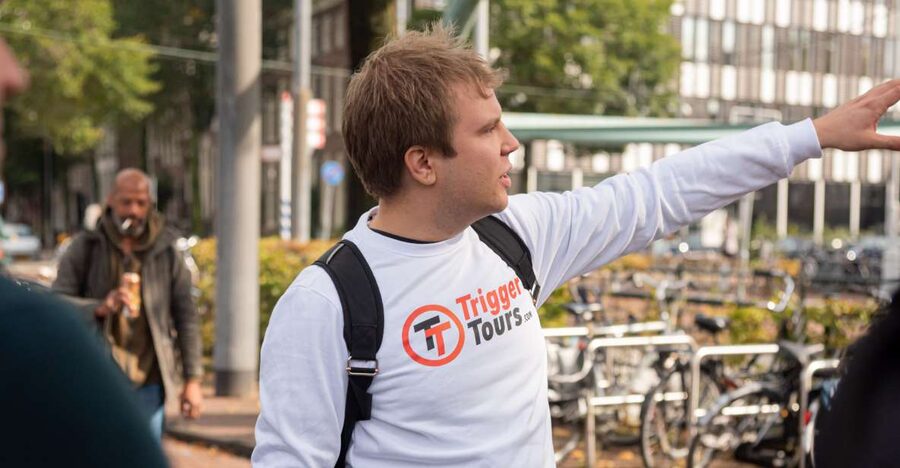
I love how the tour keeps things human-sized and place-based, with a guide who can connect events like the February Strike and the hunger winter to what you’re looking at outside your window. I also really like the balance, the way guides such as James and Aaron (and others like Pilar and Masha, depending on your group) can stay respectful while still making the walk feel engaging and clear.
One drawback to plan for: it’s a walking tour for 2 hours, and it doesn’t include Anne Frank House entry tickets. If you’re hoping to do the Anne Frank House at the same time, you’ll need to schedule that separately.
Quick reasons to go on this Anne Frank and Jewish Quarter walk
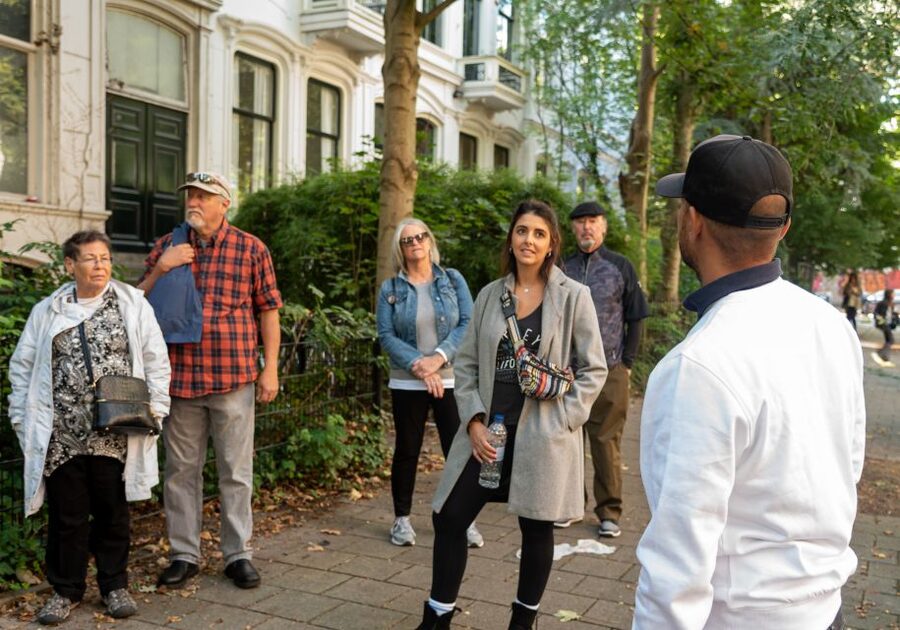
- WW2 Amsterdam, not just a single story: you connect the Nazi occupation to how Amsterdam coped and rebuilt after.
- Key Jewish sites in one route: Portuguese Synagogue, Jewish Historical Museum, and major memorials.
- A respectful, steady pace: short guided stops keep the meaning and the movement in balance.
- Memorials that add new detail: Holocaust markers beyond the Anne Frank House focus.
- Neighborhood perspective: you learn how the Jewish Quarter changed over centuries, not only during WW2.
Why this tour feels different from the usual Anne Frank stop
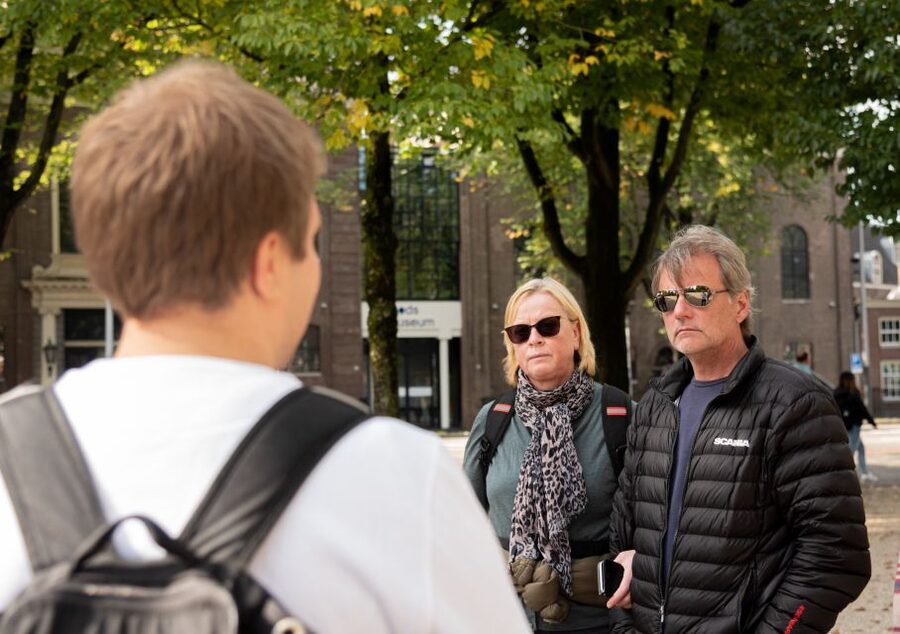
Anne Frank is the name most people come to Amsterdam for. But this tour gives you something more practical: the street-level map of what was happening around her life, in the city around her, and in the community her family belonged to.
The best part is that it doesn’t treat the Jewish Quarter as a single museum hallway. You’ll be walking through narrow streets and recognizable landmarks while the guide explains how Jewish life in Amsterdam evolved across centuries, then how it was brutally disrupted in the early 1940s.
This is also a good choice if you want more than a quick timeline. You get the aftermath too, including how people endured events like the February Strike and the hunger winter, and what survival and rebuilding looked like afterward.
A few other ways to fill a day in Amsterdam
- Amsterdam: Van Gogh Museum Ticket
★ 4.7 · 52,054 reviews - Amsterdam: Heineken Experience Ticket including 2 Drinks
★ 4.6 · 36,014 reviews - Amsterdam Classic Saloon Boat Cruise with Drinks and Cheese
★ 5.0 · 31,825 reviews
Your 2-hour format: small groups, live guide, and what it includes
This is a 2-hour walking tour with a live guide. English and Spanish are available, and the experience can be private or in small groups depending on what you book.
You should wear comfortable shoes. The route involves a fair amount of walking through historic areas with tight streets, and the stops are scheduled as short guided visits, not long gallery sessions.
Price is $24 per person for the guided time. For an Amsterdam walking route that hits multiple major Jewish landmarks plus Holocaust memorials, that’s a pretty solid value, especially because you’re paying for interpretation, not just sightseeing.
What’s included is straightforward: a local guide, and a private tour option if you selected that. What’s not included is also important: entrance to the Anne Frank House and any food and drinks.
From arrival near the canal to Auschwitz Monument: the WW2 marker stops

The tour starts from one of the Amsterdam Boat Adventures open boat tours areas, with the exact meeting point able to vary based on your option. From there, you head into a set of WW2-related stops that are short, focused, and designed to help you build a mental map quickly.
The first major memorial stop is the Auschwitz Monument area. In a place like Amsterdam, memorials like this matter because they turn history into something you can point at. When you understand what the marker represents, the city streets stop feeling generic, even if you’re only there for a day.
Next you’ll visit The Dokwerker for another guided stop. This is the kind of location where the guide’s job is crucial, because the surrounding cityscape can look normal at first glance. The narration helps you connect the physical site to the wider system of persecution and deportation.
These two stops are a good “setup” for the rest of the route. They help you understand why later sites, like synagogues and museums, are not just cultural sightseeing. They’re part of the same story arc, prewar community life, wartime destruction, and postwar memory.
Portuguese Synagogue: why it’s more than an architecture photo stop
The Portuguese Synagogue is one of the big headline landmarks on this route. The reason it earns that spot is that it represents Jewish presence in Amsterdam that goes far beyond the WW2 years.
During the guided stop, you’ll hear how the neighborhood’s Jewish identity developed over time and what the synagogue symbolizes within that longer history. That matters because it changes how you see the building. You’re not just looking at a famous exterior, you’re understanding the community that used it and what it meant to them.
If you like travel that connects “then and now,” this is a strong moment. It also helps you prepare emotionally for the Holocaust memorial stops that follow, because the tour is building context, not jumping straight into tragedy with no grounding.
Not the right fit? Amsterdam also runs these:
- Amsterdam Luxury Canal Cruise + Unlimited Drinks & Bites option
★ 5.0 · 30,518 reviews - Amsterdam: Rijksmuseum Entry Ticket
★ 4.7 · 29,512 reviews - Amsterdam: Classic Saloon Boat Cruise with Cheese & Wine
★ 4.6 · 27,035 reviews - Amsterdam: Evening Cruise with Optional Wine and Snacks
★ 4.4 · 22,178 reviews
Jewish Historical Museum: community history before, during, and after

After the Portuguese Synagogue, you’ll spend time at the Jewish Historical Museum stop. Even without doing a full museum walkthrough, this guided visit gives you a working framework for the story the tour is telling.
The tour’s focus here is the broader Jewish history of Amsterdam and the evolution of the original Jewish Quarter over the centuries. That’s a big deal because it prevents the most common mistake people make: treating WW2 as the start of Jewish history in Amsterdam.
This stop also supports the Anne Frank thread. Once you know the community background, Anne Frank becomes more than a schoolbook name. She becomes part of a real neighborhood fabric, with institutions, street life, and a community that had its own rhythms before the Nazis closed in.
Hollandsche Schouwburg National Holocaust Memorial: turning memory into place
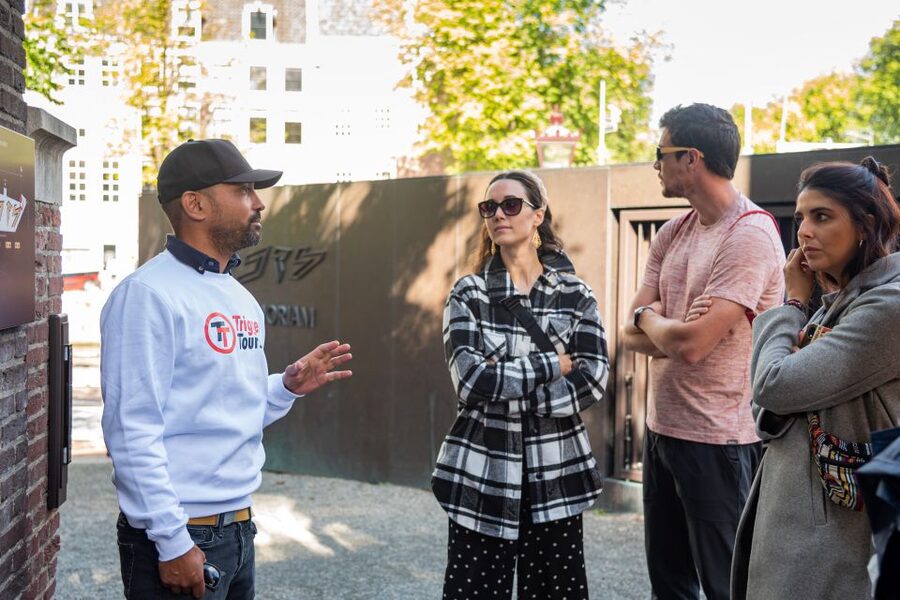
One of the most emotionally heavy stops is the Hollandsche Schouwburg National Holocaust Memorial. It’s scheduled as a guided visit, and the way the guide handles this part is part of why people rate this tour so highly.
This memorial is powerful because it anchors the Holocaust to a specific location. You’re not only hearing about deportations in general terms. You’re standing where the city remembers, and the guide gives you the “why this matters here” explanation.
The tone matters. Guides such as James, Aaron, and others referenced by guests tend to keep it sensitive and respectful without turning the walk into a monotone lecture. The goal is to make the meaning land while keeping you moving at a steady pace.
The Jewish Quarter on foot: Plantage district feel, narrow lanes, and living history
The longer segment is the Jewish Quarter walking time, about 30 minutes, which is where the tour starts to feel like real neighborhood travel. You’ll move through narrow streets and alleys, with the guide pointing out historic buildings and landmarks.
This section is also where you get the “place evolution” theme in action. You’ll hear about the heart of Amsterdam’s Jewish neighborhoods, including how the Jewish Quarter and the Plantage district fit into the city’s development over time.
As you walk, the guide weaves together how Jewish life endured, how it was attacked, and how people carried memory after the war. The value here is that you learn to read the neighborhood, even if you’re not an architecture fan. You start noticing what you might have missed on your own.
Grachtengordel and the city’s wider story: thinking beyond one square mile
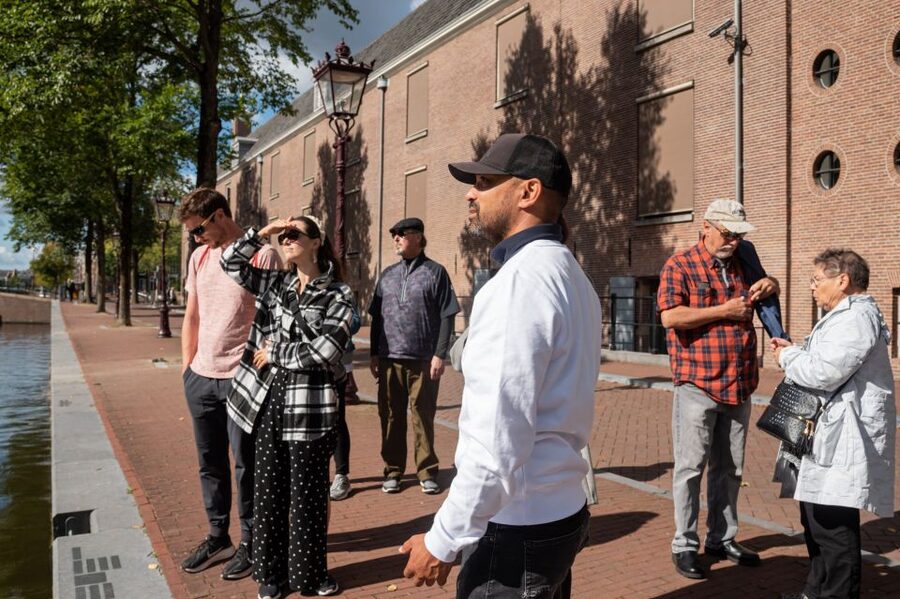
After the Jewish Quarter focus, the tour moves toward the Grachtengordel area for a guided segment. This is where the story expands from a single neighborhood into Amsterdam as a whole.
The key here is not “more stops.” It’s perspective. Amsterdam’s canals, districts, and urban layout can look like they’re all from the same era, but the guide helps you connect the physical city to historical change.
By the time you reach the end, you’ll understand how the city’s postwar identity links back to what happened in the Jewish community. It also sets you up for independent sightseeing, because you’ll know what to look for and what you can skip.
Anne Frank House not included: how to plan your next step
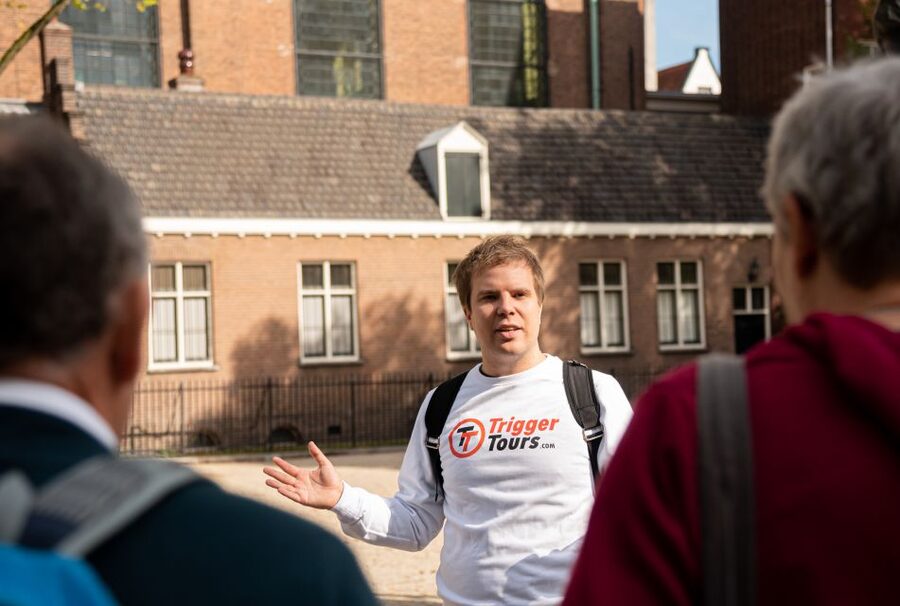
This tour does not include tickets or entrance to the Anne Frank House. That’s not a flaw, it’s just a budgeting reality, and it also keeps this walk from becoming “two hours plus a line plus two hours.”
If you really want the Anne Frank House experience, plan it as a separate visit. Because the House is a different part of the city, doing it on its own schedule can actually reduce stress. You can also pair this walk with a museum or a quieter evening plan afterward, instead of trying to do everything back-to-back.
Price and value for $24 in Amsterdam’s Jewish sites
At $24 per person for 2 hours, you’re paying for a guided narrative across multiple major WW2 and Jewish-history landmarks. That matters because a self-guided stroll can look like “cool old buildings and some memorial plaques,” while a guided route explains what those places mean.
The value gets better because the tour includes a local guide, with English and Spanish available, plus private or small-group options depending on what you book. For many travelers, the best return on investment is having someone answer your questions in real time, especially when the subject is emotionally heavy.
One practical tradeoff is that you’re not getting museum entry tickets in this package. You’re getting guided interpretation at major stops, with a structure that keeps the walking time efficient.
Who this tour suits best
This is ideal if you:
- want WW2 Amsterdam context connected directly to Jewish neighborhoods
- like history presented through actual streets and buildings, not only indoor exhibits
- prefer a guided pace that stays sensitive while still engaging your questions
- want more than the single Anne Frank reference point
It also works well for first-timers to Amsterdam Jewish history because you’re getting community background as well as wartime events. If you already know a lot about the Anne Frank story, you may still find the additional locations and the neighborhood-focused approach a meaningful upgrade.
Book it or skip it: my recommendation
I’d book this tour if you want a grounded, respectful walk through Amsterdam’s Holocaust memorials and key Jewish landmarks, with enough context to understand the neighborhood before and after the Nazis. It’s one of those rare experiences where the route itself helps the story make sense.
If you only want one famous stop and nothing else, you might be happier spending your time on a dedicated Anne Frank House visit. But if you want the wider neighborhood story, and you’re willing to do a solid chunk of walking, this is a very good value way to learn Amsterdam in full historical color.
FAQ
Is this tour only about Anne Frank?
No. The tour covers Amsterdam during the Nazi occupation in the early 1940s and the aftermath. You’ll also hear about events such as the February Strike and the hunger winter, plus Holocaust-related sites around the Jewish Quarter.
How long is the Amsterdam Jewish Quarter tour?
The duration is 2 hours.
What’s included in the price?
The tour includes a local guide. Depending on the option you choose, you may also have a private tour.
Does the tour include entrance to the Anne Frank House?
No. Entrance to the Anne Frank House is not included, and the tour does not include Anne Frank House tickets.
Where does the tour start?
The meeting point may vary based on the option booked. One starting location option is Amsterdam Boat Adventures, open boat tours.
What sites will we see during the walk?
You’ll stop at several places, including the Auschwitz Monument, The Dokwerker, Portuguese Synagogue, the Jewish Historical Museum, and the Hollandsche Schouwburg National Holocaust Memorial, plus guided time in the Jewish Quarter and the Grachtengordel.
What language is the guide?
The live tour guide is available in English and Spanish.
What should I bring?
Wear comfortable shoes, since this is a walking tour.
Latest Amsterdam reviews
- 5dporn experience: adres Oudekerksplein 18 Amsterdam★ 3.0 · 13 reviews
- Whisperboat rental in beautiful area close to Amsterdam★ 5.0 · 13 reviews
- True Crime Tour Amsterdam: Explore the Dark Side of the City★ 4.9 · 13 reviews
- 2-in-1 Combo: City Tour & Heineken Rooftop (with 2 Drinks)★ 4.6 · 13 reviews
- History & culture tour in Amsterdam with a local★ 5.0 · 13 reviews
- Bruges Private Custom Tour from Amsterdam★ 4.5 · 13 reviews
- Amsterdam: 2.5-Hour Historic Private Walking Tour★ 4.7 · 13 reviews
- Zaanse Schans, Edam, Marken & Volendam – Private Luxury Tour★ 4.5 · 14 reviews