
Reviewed · ANNE FRANK HOUSE
Amsterdam Anne Frank and Jewish History E Bike Tour
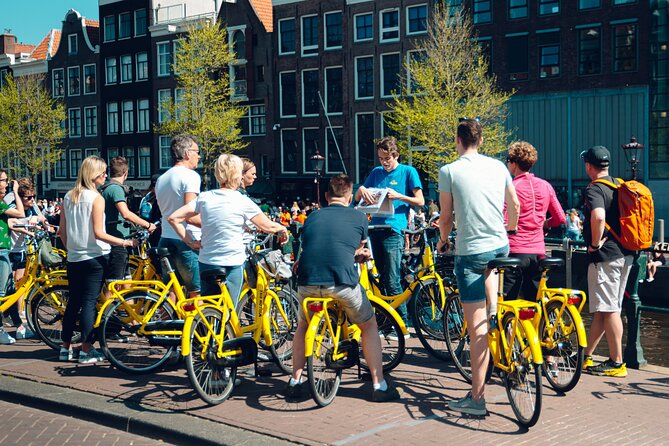
This tour is interesting because it connects Anne Frank to the wider story of Jewish life in Amsterdam, then places you right in front of the key WWII remembrance sites. You ride an e-bike between stops, so you get movement, context, and the geography of the city without feeling stuck in a classroom.
Two things I really like: the guides (I’ve seen how Lucas, Willem, and Wilhelm show up as energetic and respectful storytellers), and the fact that the route mixes big history with everyday places, like the Waterlooplein market area and the bookstore connected to Anne Frank’s diary. One consideration is that the tour’s biggest entry ticket, the Anne Frank House, is not included, so you’ll want to plan for that cost and time.
Key Highlights You Should Care About
- E-bike touring keeps the pace comfortable, letting you cover a lot of ground in about 3 hours.
- A tight sequence of WWII and Jewish Quarter stops, including the National Holocaust Names Monument and the February Strike story at Dokwerker.
- You see landmark exteriors plus meaningful streetscapes, like the Portuguese Synagogue outside and Anne Frank’s neighborhood areas at Merwedeplein and around her school.
- Guides like Lucas and Willem are praised for engagement, clarity, humor, and giving space for questions.
- A longer remembrance moment at the National Holocaust Names Monument, with around 30 minutes there to take it in.
- You’ll likely spend extra on the Anne Frank House ticket, since it is not included.
Why This E-Bike Tour Makes Sense in Amsterdam
Amsterdam can be a lot, even when you’re excited. Streets are busy, bikes are everywhere, and history sites can feel like you’re just hopping from one plaque to the next. This tour solves that by using an e-bike to link the Anne Frank story with the broader Jewish history of the city, then stopping at memorials and places tied to Amsterdam during WWII.
The practical win is the pacing. You get a steady rhythm of riding and short pauses, so you stay oriented and you learn the “why here?” behind each location. The story stays attached to places you can actually see, including the areas around the Jewish Quarter and the route near where Anne Frank grew up.
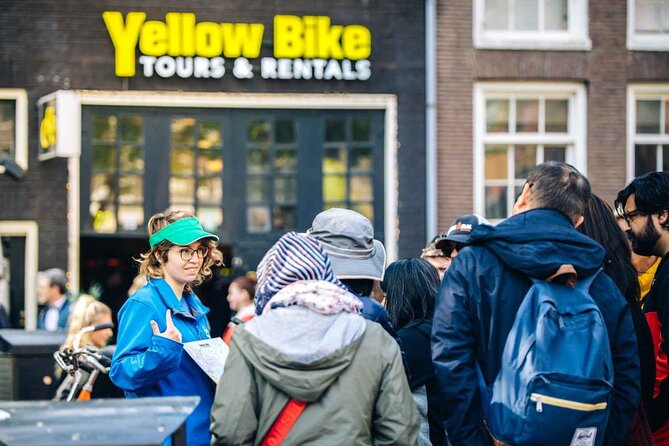
You should also know the guide quality matters here. In the feedback I read, guides like Lucas and Willem come across as genuinely engaging, and people felt welcomed right away. That kind of tone matters when the topic is heavy, because you want someone who can handle it with care and still keep the group moving.
More Historical Tours in Amsterdam
- Amsterdam Food and Cultural Tour with Tastings
★ 5.0 · 4,315 reviews - Amsterdam: Historic City Centre Canal Cruise
★ 4.3 · 659 reviews - Amsterdam: Haunted History and Ghost Walking Tour
★ 4.5 · 488 reviews
Starting at Nieuwezijds Kolk, Then Getting Oriented Fast
You meet at Nieuwezijds Kolk 29 (1012 PV), right in the city center, with the tour starting at 2:00 pm. Meeting at a central spot helps, because you can arrive by public transport and not waste your limited sightseeing time crossing town first.
At the first stop, Nieuwezijds Kolk, your guide sets the scene. This is where you learn the connections between Anne Frank’s story and Amsterdam’s Jewish history. It’s a smart way to begin because it frames what you’re about to see next, instead of having you guess why each location matters.
Expect this first part to feel like orientation plus context. It’s not a long stop, so it works best if you come ready to pay attention, take in names and dates, and ask questions early if something feels unclear.
Nieuwmarkt and the Jewish Quarter: History Where You Can Feel It
After a short bike ride, you reach Nieuwmarkt, which sits near the start of the Jewish Quarter. This is one of the tour’s strongest “place-based” moments because the guide ties local Jewish history directly to WWII events.
This stop lasts about 20 minutes, and that’s a good length for a topic like this. You get enough time to understand how the city’s Jewish community lived, then how that changed during the war. It’s the kind of explanation that helps you connect what you’re learning to what you’re seeing on the street, instead of treating the tour as a list of famous names.
If you like to learn in layers, you’ll probably appreciate how each stop adds one new angle. Nieuwmarkt does that by moving from earlier Jewish life toward the WWII era that will dominate the rest of the ride.
Portuguese Synagogue Outside: A Landmark You Can Place on the Map
Next is the Portuguese Synagogue of Amsterdam, where you admire it from the outside. The stop is brief, about 10 minutes, and admission for this exterior viewing is free in the tour plan.
Even if you do not go inside, it’s still worth treating this as an “anchor point.” It helps you visualize the Jewish Quarter and its important landmarks, so later stops feel connected rather than random.
One practical note: the tour does not include entrance fees for the Portuguese Synagogue. If you’re the type who wants to go in on your own after the bike tour, you can, but you should plan for those tickets separately.
More history tours in Amsterdam:
- Amsterdam High-End Dutch Food & History Tour – Up to 8 guests
★ 5.0 · 482 reviews - From Amsterdam: Volendam Heritage & Cheese Half-Day Tour
★ 4.4 · 461 reviews - Amsterdam: Historic City Sightseeing Canal Cruise
★ 4.5 · 444 reviews - Amsterdam: Historical Highlights Walking Tour with Tasting
★ 4.6 · 381 reviews
Walking the Jewish Cultural District and Waterlooplein Market
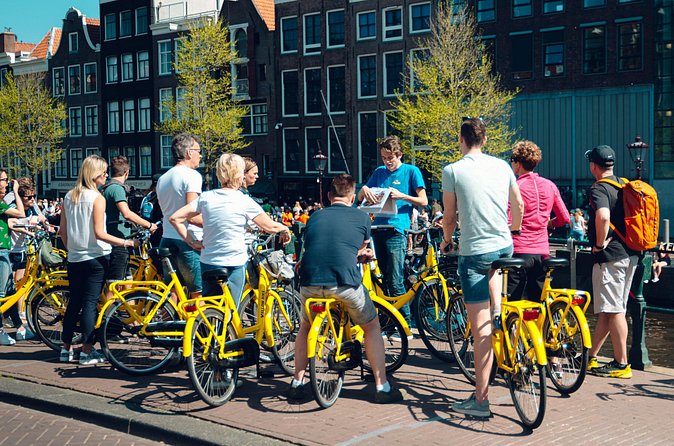
You then switch to walking for the Jewish Cultural District section, with a look around and time to see the area near Waterlooplein market. This stop is about 10 minutes.
I like this part because it shows you that the Jewish Quarter is not only about WWII. Even on a short stop, you get a glimpse of the neighborhood’s everyday energy, and that helps balance the darker segments of the tour.
Also, Waterlooplein is a place many first-time visitors do not spend much time inside of. Here, it becomes more than sightseeing. It turns into part of the broader story: where communities were, where markets ran, and how the city functioned.
Dokwerker and the February Strike: WWII Up Close, Not Just Abstract
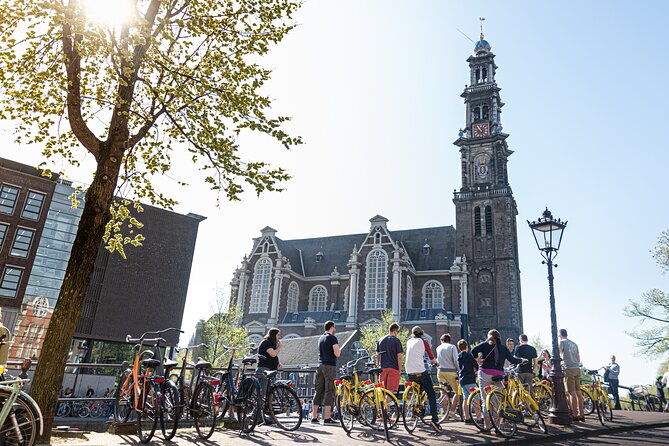
At Dokwerker, you learn about the February Strike during WWII. The stop is about 10 minutes.
This is the kind of stop I think you’ll appreciate if you like history that connects to real civic life, not only documents and monuments. The story is about how Amsterdam’s people responded during the war, and it provides a human scale to events that can otherwise feel distant.
Because the stop is short, you’ll want to listen closely and make note of anything the guide emphasizes. This is one of those “small stop, big meaning” moments.
National Holocaust Names Monument: The Stop That Changes the Tone
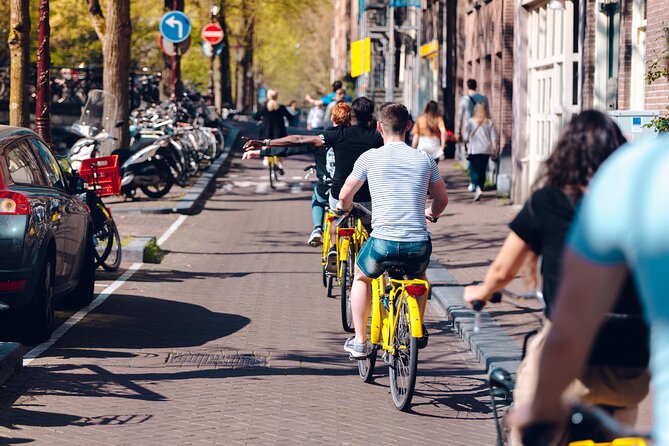
Then you reach the National Holocaust Names Monument, which is the longest stop on the route, about 30 minutes. This is where the tour slows down into remembrance.
What makes this moment especially powerful is what it commemorates: names of Jewish people, and also Sinti and Roma, murdered in the Second World War. You don’t just learn a general summary here. You spend enough time to actually absorb the weight of what the monument represents.
This is the point where I’d suggest you take your time. If you usually rush through monuments, this one is the exception. Pause, read a little, and let the guide’s framing land.
Leendert Pop: Personal Storytelling That Makes History Stick
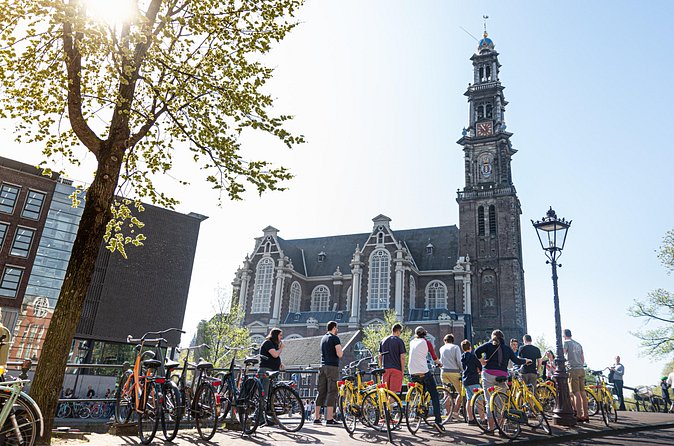
After the monument, you move to Leendert Pop, with about 10 minutes here. This stop focuses on the story of an elderly Jewish Amsterdammer during the Second World War.
I like this stop because it shifts from public remembrance to a more personal lens. It helps you remember that history is made of individuals, with daily fears, decisions, and lives affected by forces far beyond their control.
Because the time is short, the guide’s storytelling style matters. In the feedback you have, people repeatedly highlight guides like Willem and Lucas for being engaging and clear, and that’s exactly what helps make a personal story feel respectful, not rushed.
Berlagebrug: A Bridge With WWII Meaning
Next you visit Berlagebrug, another about 10 minutes stop. Your guide shares the bridge’s history tied to WWII.
Bridges in Amsterdam are already visually memorable, but this is a reminder to look past the postcard view. When you hear the bridge’s wartime significance, it becomes more than architecture. It becomes part of how the city worked and suffered.
If you like “spot the detail” sightseeing, this stop gives you something specific to watch for as you move through the city: the idea that even everyday structures can hold wartime meaning.
Jimmink Bookstore and the Diary Trail
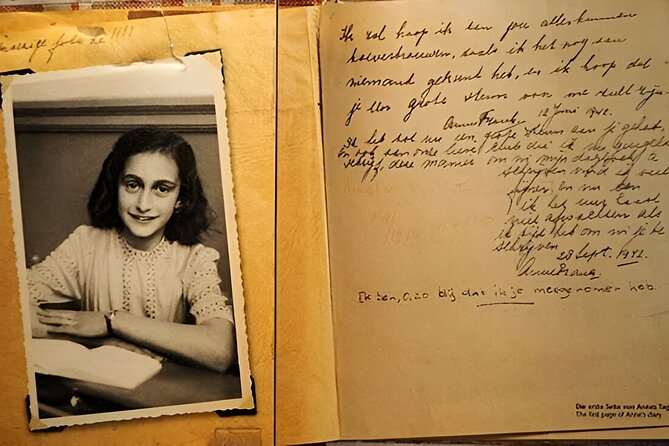
Then you come to Bookstore Jimmink, about 10 minutes. This is a memorable stop because it connects to Anne Frank directly, tied to the bookstore where she bought her famous diary.
This is the kind of detail that sticks in your mind, because it’s not only about the hiding period. It brings you back to the everyday world around her, the learning, reading, and the normal moments that existed alongside everything changing around her.
I find stops like this make the tour feel more human. You’re not only looking at memorials. You’re tracing a story through ordinary places.
The Sculpture of Anne Frank and Her Childhood Neighborhood Context
From there, you see the Sculpture of Anne Frank on the square where she grew up as a Jewish girl during part of WWII. This stop is about 10 minutes.
Next comes Merwedeplein, another 10 minute stop, where you view the house where Anne Frank grew up before going into hiding. These are short stops, but they’re important because they help you understand the timeline physically: her earlier neighborhood life before it all changed.
If you’re the type who likes to connect a story to a map, these stops are a win. They help you picture where events happened, not just when.
6th Montessorischool Anne Frank: Where Education Meets History
Another 10 minute stop brings you by 6ᵗʰ Montessorischool Anne Frank, where Anne Frank went to school.
This part matters because it grounds the story in a life that included education and community. It also gives you a contrast to the memorial stops. The tour deliberately moves between these tones, and the school stop is one of the clearest examples.
You might find yourself thinking differently after hearing about education in this context, because it underlines what was being lost, and what people hoped would continue.
Visiting the Anne Frank House, and Planning for the Ticket
The final and most famous stop is Anne Frank House, with about 20 minutes on site. This is where you learn about Anne Frank and her family in hiding during WWII, at the original Anne Frank House.
Here’s the practical part: admission fees for the Anne Frank House are not included in the tour price. So, if the House is your top priority, plan for that ticket cost and make sure you’re comfortable with the time you’ll have inside for your chosen visit style.
This final stop is also where I suggest you manage your expectations. Twenty minutes is enough for a focused introduction, but it’s not enough if you want a slow, detailed read-through of everything. If you want more time, you can still visit longer later, but the tour gives you a strong starting framework.
Price, Timing, and Value for Money
The price is $63.22 per person, and the tour runs about 3 hours. It also tends to be booked about 19 days in advance, so if you want a specific date, it’s smart to lock it in sooner rather than later.
You’re getting e-bike use included, plus a guided tour built around multiple stops that cover Jewish history and WWII remembrance. The tour plan shows that most stops have free entry for the exterior or viewing portions, which helps keep extra costs down while still letting you see a lot.
The main add-on risk is the Anne Frank House admission. If you’re counting pennies, this is the one thing that can change your total budget. Still, even with that extra cost, the tour can be good value if you like learning while moving and you want the route stitched together with context.
What to Expect on the Ground: Riding, Stops, and Group Size
You’ll be using an e-bike for the ride segments, then doing short walkouts at several stops. The stops are generally 10 to 20 minutes, with the one longer pause at the Holocaust Names Monument.
This isn’t a marathon tour, but it is a lot of information packed into a half-day window. If you’re prone to information overload, take it in small bites. Let the guide’s words set up what you’ll see next.
Group size is capped at 99 travelers, and the tour is in English. Most people can participate, but there is a height note: it is not accessible for people under 152 cm (5 ft). If that applies to you, you may want to look for another option that better fits your needs.
Should You Book This Anne Frank and Jewish History E-Bike Tour?
I’d book it if you want a practical, city-smart way to connect Anne Frank’s story to Amsterdam’s Jewish Quarter and WWII remembrance sites. It’s especially worth it if you like guided storytelling and you appreciate a route that moves through both famous landmarks and less obvious places, like the diary bookstore connection and the February Strike stop.
Skip it only if you already plan to do everything solo and you do not want to pay for a separate Anne Frank House ticket. Also, if you can’t comfortably handle an e-bike tour format, you may want a different style of tour.
If you do book, come with one mindset: treat the memorial stops as the emotional core of the tour. The ride and the landmarks are how you get there, but the National Holocaust Names Monument is where the experience truly lands.
FAQ
How long is the Amsterdam Anne Frank and Jewish History e-bike tour?
The tour lasts about 3 hours.
Where do I meet, and what time does the tour start?
You meet at Nieuwezijds Kolk 29, 1012 PV Amsterdam. The start time is 2:00 pm, and the tour ends back at the meeting point.
What is included, and what costs extra?
The tour includes use of an e-bike. Entrance fees for the Anne Frank House and the Portuguese Synagogue are not included, and food and drinks are also not included.
Is the tour offered in English, and do I get a ticket on my phone?
Yes, it is offered in English, and it uses a mobile ticket.
Are there any height or participation limits?
Most travelers can participate, but it is not accessible for people under 152 cm (5 ft).
What is the cancellation policy?
You can cancel for a full refund if you cancel up to 24 hours in advance of the experience start time.
More E-Bike Tours in Amsterdam
- Amsterdam: Windmill, Cheese, and Countryside E-Bike Tour
★ 4.5 · 1,308 reviews - Amsterdam Highlights Bike or E-Bike Tour
★ 5.0 · 1,171 reviews - Cheese, Canals & Windmill Countryside E-Bike Tour Amsterdam
★ 5.0 · 501 reviews - Escape Amsterdam: E-Bike to Zaanse Schans Windmills & Zaandam
★ 5.0 · 446 reviews
More Cycling Tours in Amsterdam
- Big Bike tour Amsterdam – See all in 3 unforgettable hours
★ 4.7 · 4,929 reviews - Small Group Guided Bike Tour of Amsterdam’s Hidden Gems
★ 5.0 · 3,936 reviews - Amsterdam: Off the Beaten Path Bike Tour in French
★ 4.9 · 1,632 reviews - Countryside Bike Tour from Amsterdam: Cheese, Clogs & a Windmill
★ 5.0 · 1,485 reviews
Latest Amsterdam reviews
- Amsterdam Private Prosecco Bike with Music Sound System★ 5.0 · 3 reviews
- Private Day Trip From Amsterdam to Rotterdam and Zaanse Schans★ 3.5 · 3 reviews
- The Best of Amsterdam: Private Full-Day Tour with a Canal Cruise★ 2.5 · 3 reviews
- 1 hour Amsterdam City Tour in Pedicab★ 4.5 · 3 reviews
- Amsterdam Walking Tour with Audioguide on Your Smartphone★ 3.5 · 3 reviews
- Bike Tour with Guide in Amsterdam★ 4.5 · 3 reviews
- Private tour (max 3 per) to Giethoorn & Canal ride from Amsterdam★ 3.5 · 3 reviews
- Concert at The Royal Concertgebouw – Amsterdam★ 5.0 · 3 reviews