
Reviewed · KINDERDIJK
Rotterdam: Kinderdijk UNESCO World Heritage Entry Ticket
Kinderdijk is one of the Netherlands’ most interesting “how on earth do they manage this?” places. Here you see working windmills lined up with the polder water system that keeps land dry, and it is all recognized as a UNESCO World Heritage Site.
I like this ticket because it goes beyond postcard views. You get entry to two museum mills and you can step inside, plus you visit the pumping station engine room.
My only caution is practical: the tour boats may not sail in bad weather, so check the forecast and build in some flexibility for your day.
Key things to know before you go
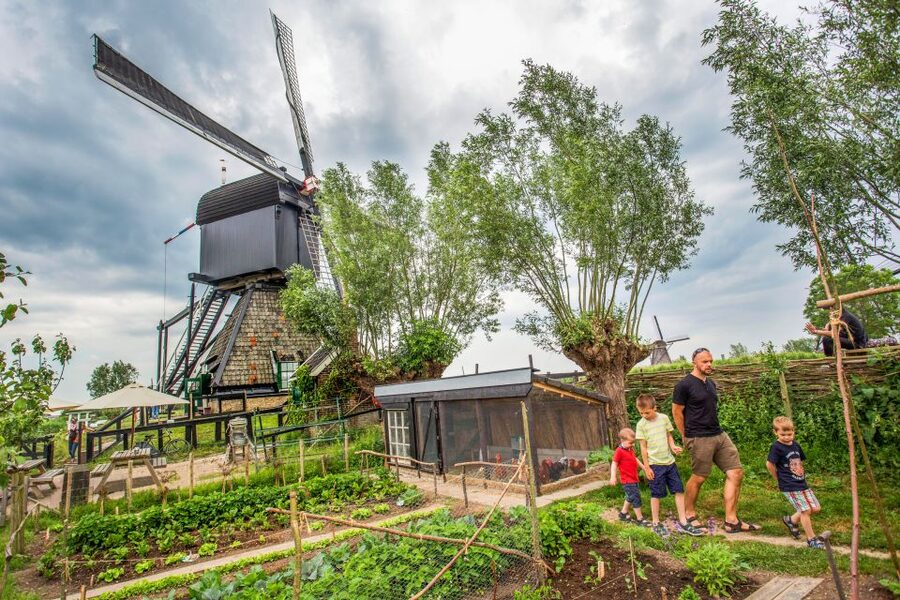
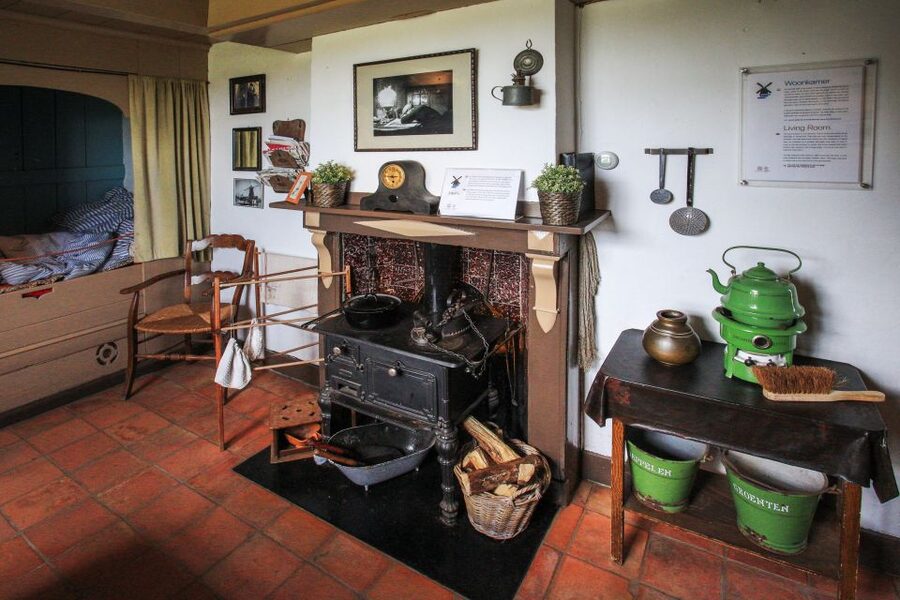
- Two museum mills included: Blokweer Museum Mill and Nederwaard Museum Mill, so you can actually go inside.
- Pumping station engine room included: this is where the Dutch water-management story clicks into place.
- Boat cruise through the World Heritage Site included: you see the polder layout from water level.
- Self-paced with an online audio guide: it helps you move at your own pace instead of waiting for a group.
- Lots of walking, with limited shade: plan for sun, wind, and chilly pockets, depending on the season.
- Boat schedule matters: the last boat leaves half an hour before closing time.
Kinderdijk UNESCO, why these windmills still matter
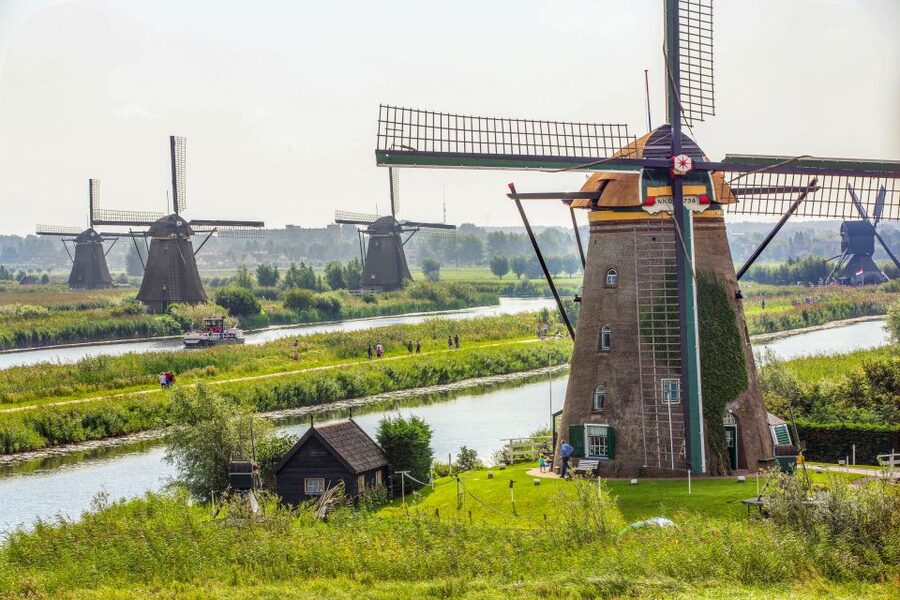
Kinderdijk is not just about old windmills. It is about how Dutch engineers used wind power to fight water, again and again, for centuries. Even if you have seen windmills before, this village feels special because the windmills are placed in a living water-management landscape.
What I find most compelling is the mix of views and function. You get the classic rows of mills, but you also get a clear sense of why they exist, how they work, and what people built to keep land usable. That focus is why the site is UNESCO recognized.
You are also visiting a place that tends to feel calm. People often come for photos, then stay for the slower moments: standing near the dikes, listening to the windmill machinery, and taking your time around the museum mills.
More Historical Tours in Rotterdam
- Rotterdam: Highlights, Gems, Architecture & History Walk
★ 5.0 · 191 reviews - Rotterdam: Maritime Museum and historic museum harbor ticket
★ 3.9 · 92 reviews - MUST DO: Rotterdam highlights & history with a local guide
★ 4.5 · 57 reviews
What the $25 ticket includes at Kinderdijk (and why it’s good value)
At $25 per person, this ticket is a value play if you want more than a quick stroll. It includes key indoor stops and the boat ride, not just entry to the grounds.
Here is what you can count on being included:
- Entrance to Blokweer Museum Mill
- Entrance to Nederwaard Museum Mill
- Boat trip through the World Heritage Site
- Entrance to the pumping station engine room
- Informative film and exhibition
- Audio tour guide in the online guide (multiple languages)
Food is not included, so you will want to plan a snack, a drink, or a picnic. Also, transport to Kinderdijk is not included, so your day needs a plan for getting there and back.
The smart part is that many visitors spend time walking the paths first, then use the ticket to unlock the highest-impact stops: the mills you can enter and the pumping station engine room. That is usually the best way to feel like you got your money’s worth.
Museum mills inside and out, what you actually get to see
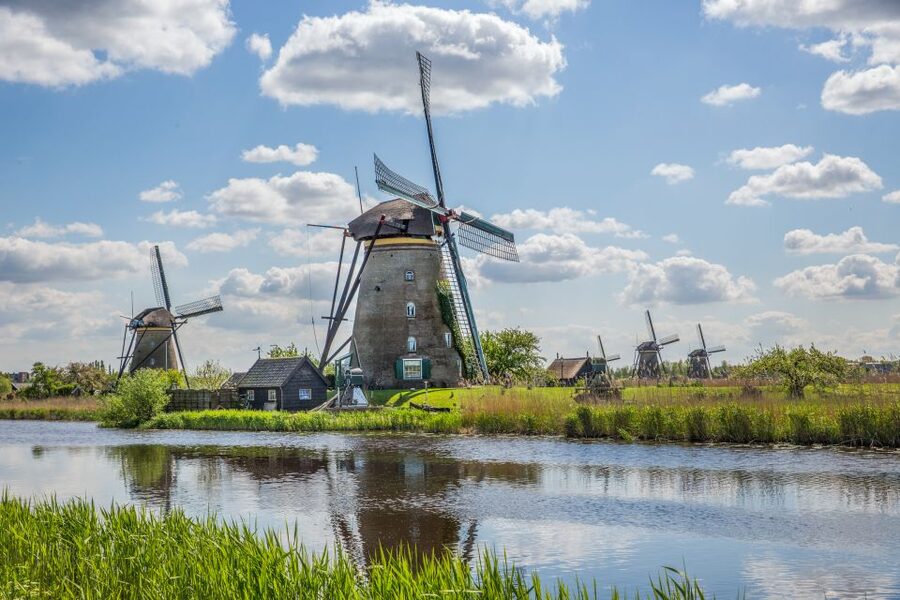
The ticket’s biggest payoff is inside access. You visit two museum mills, Blokweer and Nederwaard, which gives you more context than just viewing windmills from the outside.
Inside a museum mill, you get a rare perspective on the scale and layout of the machinery. You are seeing how the structure and the sails relate to the job they do, and that makes the whole system feel less like a museum prop and more like real working technology.
This is also one reason the experience tends to land well with first-timers. You see the iconic windmill row, then you step into two of the working mills to understand the details. It is one of those “I get it now” moments, not just pretty scenery.
Practical note: you should expect some stairs and uneven areas depending on where you go inside. The ticket is wheelchair accessible, but if you have mobility limitations, you may want to move slowly and give yourself extra time for transfers and viewpoints.
The pumping station engine room, the Dutch water-management brain
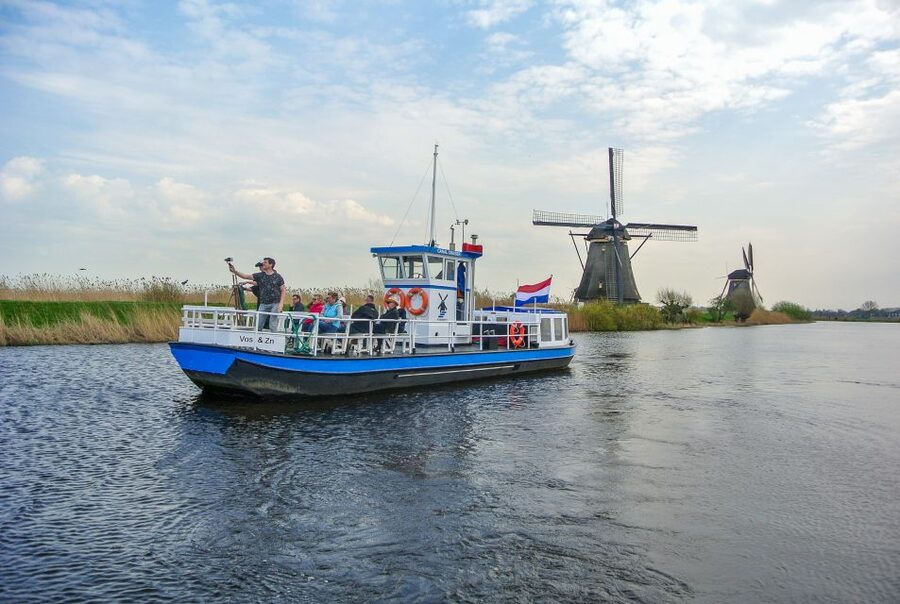
Windmills are the face of the system. The pumping station engine room is the brain.
This included stop helps explain what the wind power actually accomplishes. Kinderdijk is all about controlling water levels so polders stay usable, and the pumping station puts the focus where it belongs: on the machinery and the method behind land reclamation.
Even if you are not a technical person, this stop helps you connect dots. Once you understand the job, the canals, dikes, and windmill placement start making sense fast. That is the difference between seeing windmills and understanding why they are arranged the way they are.
If you only have half a day, I still think the pumping station is one of the best uses of your ticket time. It is the clearest path to the bigger story.
More Kinderdijk trips:
- Rotterdam: WaterShuttle Ticket to Kinderdijk
★ 4.6 · 731 reviews - All-Inclusive Private Windmill Tour to Kinderdijk from Rotterdam
★ 4.5 · 59 reviews - Kinderdijk Bike Tour
★ 5.0 · 35 reviews - Kinderdijk Area Cycling Tour
★ 5.0 · 17 reviews
Using the audio guide and film to make a self-paced day feel smooth
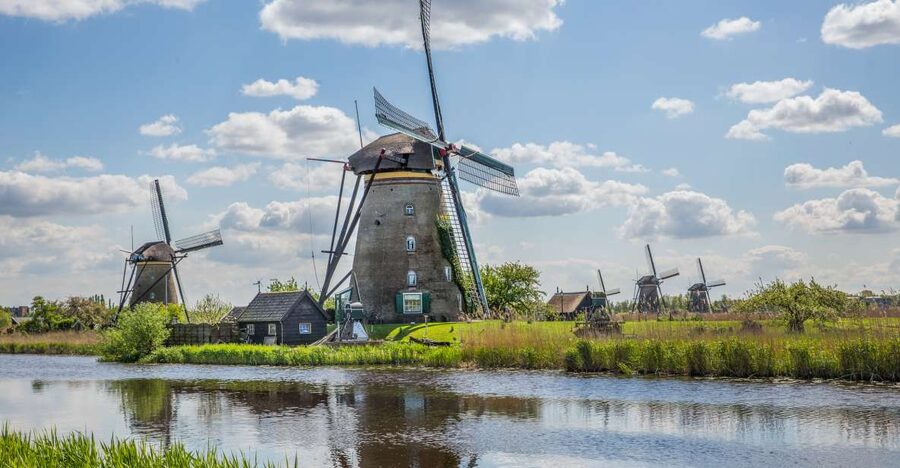
This is a self-guided experience, supported by an online audio guide. That matters because you can match your pace to your energy level, whether you want long photo breaks or a faster loop through the mills and the boat.
The audio guide is available in multiple languages (English, Dutch, French, Spanish, Italian, Chinese, German). Staff members are also there to help in Dutch and English.
My tip for getting the most out of it: plan your stops in the same order your brain likes. Do the outside views first, then go inside the museum mills, then hit the pumping station, and finally use the boat ride to “see the system from the outside in.” The sequence usually makes the information stick.
A helpful detail: one traveler noted that the audio tour code may not be handed over automatically. If you need it, ask at the information desk so you can start listening right away.
Also included is an informative film and exhibition. This is perfect for weather days when you want to stay warm while still learning what you are looking at.
The boat cruise through the World Heritage Site, how to time it right
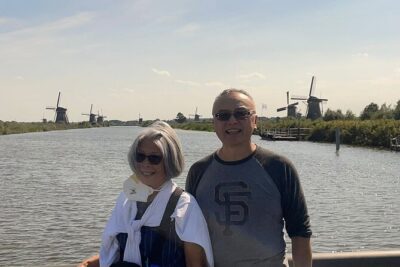
The boat trip is one of the easiest ways to turn a windy, flat area into a viewpoint experience. You glide across the polders, and the windmills drift past in a way that walking cannot replicate.
A few realities to plan around:
- Boats may not sail due to bad weather.
- The last boat departs half an hour before closing time.
- Seating can be limited, so you may want to arrive early for your chosen departure.
I like using the boat as the “connector” between stops. It reduces backtracking and it gives you that water-level perspective. The boat also helps you understand how the village sits in relation to the canals and dikes.
If weather is iffy, I would not treat the boat as a guaranteed slot in your schedule. Keep your timing flexible and consider doing one of the indoor stops first (film, exhibition, or the pumping station) so you still get the best of the ticket even if the boat gets canceled.
Building your Kinderdijk day from Rotterdam, walking and biking strategy
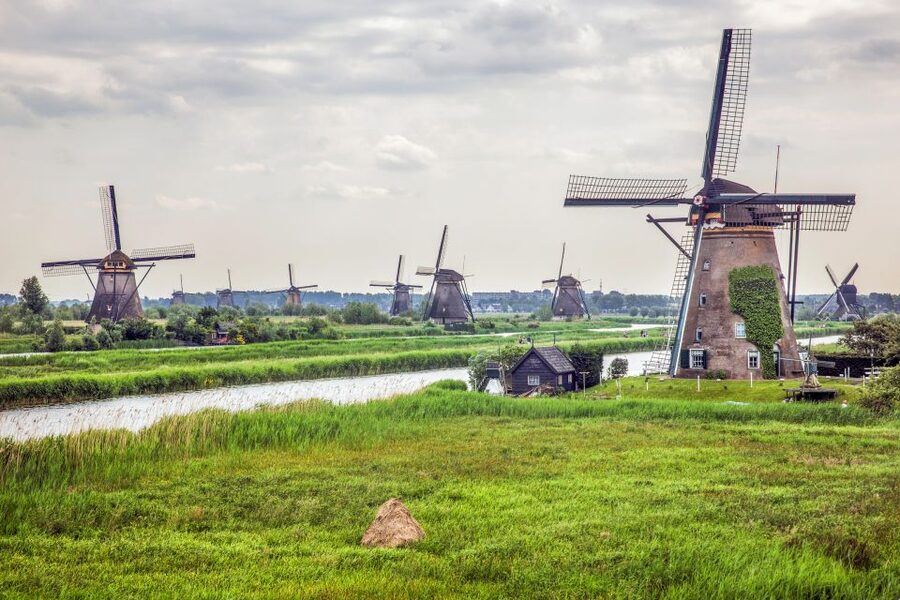
Your ticket gives you the entry and the boat ride, but it does not include getting there. So you need transport in your day plan.
One very practical approach from Rotterdam is to use the Waterbus. A visitor shared that they took the Waterbus to Alblasserkade, then rented bikes to reach the site. That combination makes sense here because Kinderdijk rewards a mix of mobility and slow wandering.
If you prefer to walk, you can do that too, but plan for real walking. People talk about “lots and lots of walking” and about crossing paths and dikes. It is not a light stroll across a single plaza.
Two more useful pointers for your comfort:
- There can be limited shade, especially on longer stretches between the museum mills.
- Parking can be tricky. If you are driving, I would go in expecting some friction and arrive with a buffer.
For food and drink, keep it simple. Food and drinks are not included, so bring water and consider a picnic if the weather is decent. One traveler even suggested making it last longer with a bike and picnic, which is a very Dutch solution to squeezing in more time.
Timing by season, so closing time does not sneak up on you
Your ticket is valid for one day, and opening hours change by season. Here are the hours you should plan around:
- Until March 5, open 10:30 a.m. to 4 p.m.
- From March 6 to November 1, open daily 9 a.m. to 5:30 p.m.
- From November 2 to December 31, open daily 10:30 a.m. to 4 p.m.
- Closed on Christmas Day
Because the last boat leaves half an hour before closing, you will want to avoid arriving late and hoping you can still do the cruise. In practice, that means you should aim to arrive early enough to visit at least one indoor stop plus your chosen mill entries without rushing.
A reasonable planning target is to budget several hours. Some visitors reported around 2 to 3 hours when moving efficiently, but others clearly used the full time because the place rewards slow wandering.
Who this experience fits best
This is a strong match if you want a mix of views and understanding. Kinderdijk suits people who:
- love Dutch engineering and water management
- want to go inside working mills, not just look at them
- like self-guided travel with an audio guide built in
- are visiting Netherlands for the first time and want one iconic day
It also works well for families thanks to an included interactive scavenger hunt for kids. Adults get the explanation; kids get a mission.
Wheelchair access is noted as available. One practical nuance: getting from the water taxi to the site may be tricky for some mobility setups, but once you are at the venue, access is described as easier and mobility scooter friendly. If that applies to you, give yourself extra time at the start so you are not stressed.
Should you book this Rotterdam to Kinderdijk Kinderdijk entry ticket?
Yes, I think you should book this ticket if your goal is to see Kinderdijk properly, not just skim it. For $25, you get the indoor wins (two museum mills plus the pumping station), plus the boat ride that shows how the polder system fits together.
Book it with flexibility if weather is unstable. The boat may not sail, and since it is a major part of the included experience, you want a plan that still feels complete even on a rough day.
If you only want a short photo stop and you are skipping the indoor machinery, you might decide it is not worth it. But if you want the full working-system feeling, this ticket is one of the cleanest ways to make your day from Rotterdam feel like a true UNESCO visit, not a quick stop.
FAQ
What is included with the Rotterdam: Kinderdijk UNESCO World Heritage Entry Ticket?
The ticket includes entrance to the Blokweer Museum Mill and the Nederwaard Museum Mill, a boat trip through the World Heritage Site, entrance to the pumping station engine room, an informative film and exhibition, and an audio tour guide in the online guide.
How long should I plan for the Kinderdijk visit?
The experience is listed as lasting 1 day. Many people spend a few hours at the site, depending on how much time you take for the boat, the museum mills, and the pumping station.
Is food and drinks included?
No. Food and drinks are not included with this ticket.
What happens if the tour boats do not sail?
The tour boats may sometimes not sail due to bad weather conditions. If that happens on your day, your visit will still include the indoor stops listed on the ticket, but the boat portion may be unavailable.
What are the opening hours at Kinderdijk?
Hours depend on the date. Until March 5 it is 10:30 a.m. to 4 p.m. From March 6 to November 1 it is daily 9 a.m. to 5:30 p.m. From November 2 to December 31 it is daily 10:30 a.m. to 4 p.m. The site is closed on Christmas Day.
Is the audio guide available in multiple languages?
Yes. The audio guide included in the online guide is available in English, Dutch, French, Spanish, Italian, Chinese, and German.
Latest Rotterdam reviews
- Rotterdam Private Walking Tour with a Local★ 5.0 · 15 reviews
- Private Walking Food Tour of Rotterdam★ 4.5 · 15 reviews
- Rotterdam: Guided Food Tour★ 4.4 · 16 reviews
- Kinderdijk Area Cycling Tour★ 5.0 · 17 reviews
- Rotterdam: Architecture Highlights Tour including the Depot★ 4.6 · 17 reviews
- Skip the Line: SS Rotterdam Steam Ship Entrance Ticket★ 4.5 · 18 reviews
- Rotterdam: Summer Cocktail Cruise★ 4.7 · 18 reviews
- Rotterdam: Pub Cruise with Drinks and Bites★ 4.0 · 19 reviews
Kinderdijk, compared.
All-Inclusive Private Windmill Tour to Kinderdijk from Rotterdam
Read our review →

Kinderdijk Windmills and Delft Small-Group Tour from Amsterdam
Read our review →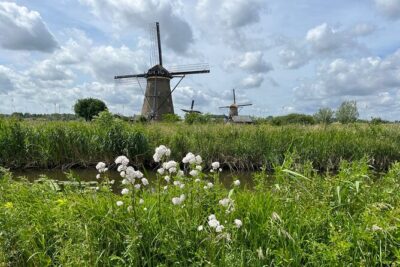
Kinderdijk Windmills, Delft City & Delft Blue Factory Visit
Read our review →
Kinderdijk, Euromast, Delft and Den Haag Day Tour
Read our review →Browse the lists this tour appears in