
Reviewed · ANNE FRANK HOUSE
Amsterdam: Anne Frank and World War II Walking Tour (TOP RATED)
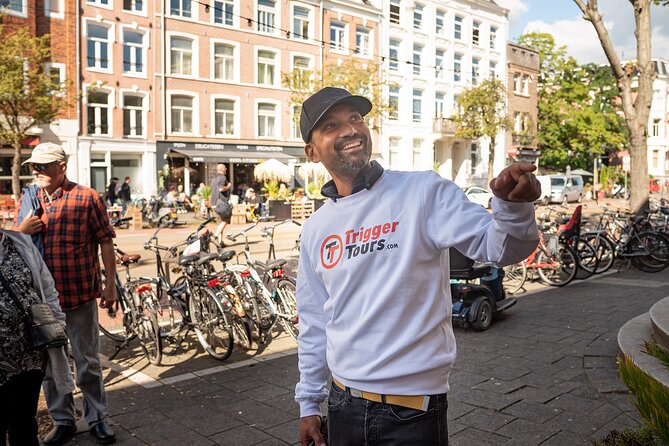
This tour is interesting because it turns the Anne Frank story into a real street-level walk, not a classroom lecture. I like how guides such as Aaron and James connect details to the places you’re standing in, so the history feels tied to Amsterdam, not just a timeline. You also get a small-group feel that makes questions feel normal.
Second, I really like the pacing. The walk builds atmosphere, and it leaves enough breathing room for photos and quick orientation as you move from one site to the next. That matters in Amsterdam, where you can easily lose time to turning corners and rereading signs.
One thing to consider: this is not an Anne Frank House ticket tour. If you want to visit the house itself, you’ll need to plan that separately, and a few people felt the tour title could make that expectation fuzzy.
Key Highlights to Know Before You Go
- Jewish Quarter route with a local guide that keeps the story connected to specific sites
- Anne Frank and WWII context delivered through streets, memorials, and everyday Amsterdam landmarks
- Stops with free admission tickets listed for each major point on the route
- Upgradable to a private tour if you want a more tailored pace and more time for questions
- A photo-friendly walking rhythm that still covers a lot in about 2 hours
- Anne Frank House entry is not included, so ticket planning is on you
A Two-Hour Walk That Gives the Anne Frank Story Real Street Context
If you only do one WWII-related activity in Amsterdam, I think this is a strong pick, because it helps you understand what came before, what happened during, and why the memorials are placed where they are. You’ll cover a concentrated slice of the Jewish Quarter, starting with landmarks linked to Jewish life and then moving toward remembrance sites tied to deportation.
I also like that it stays focused. It’s not trying to cover the entire war in one sitting. Instead, the guide shapes a clear route, then fills in the human meaning behind what you see, from community life to resistance to deportation.
The walk format is part of the value. You get to look around, notice how neighborhoods are laid out, and take photos without feeling rushed every two steps. Just keep in mind it’s still a walking tour, so comfy shoes are your best friend.
More Walking Tours in Amsterdam
- Amsterdam Anne Frank: Small-Group Walking Tour & Local Guide
★ 4.8 · 12,789 reviews - Anne Frank’s Story – Guided Walking Tour through Amsterdam
★ 5.0 · 11,619 reviews - Absolutely Amsterdam – the Essential Introductory Walking Tour
★ 5.0 · 3,629 reviews
Start at Amstel 51C, Then Set Your Expectations for the Route
You meet at Amstel 51C, 1018 EJ Amsterdam. The activity ends back at the same meeting point, which makes it easier to plan the rest of your day, especially if you have dinner reservations.
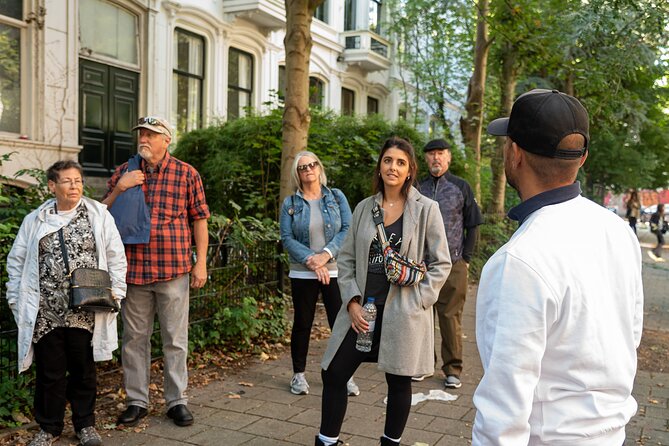
The tour runs in English and caps at a maximum of 15 people. That size is big enough to meet others, but small enough for a guide to keep the tone thoughtful and interactive. If you’re the type who asks a lot of questions, this is a good structure.
Also, this experience is weather-dependent. If it’s canceled due to poor weather, you should be offered a different date or a full refund. In practice, that means you should check the forecast the day before and dress for a real walk, not a museum outing.
Stop-by-Stop: From Jewish Community Life to WWII Deportation Remembrance
This route moves in a way that helps your brain hold onto the story. You’ll start with Jewish community landmarks, then shift toward memorials tied to deportation and resistance, and finally you’ll connect it back to major central Amsterdam landmarks as you return toward Dam Square.
Here’s how the flow feels, stop by stop.
Portuguese Synagogue: Jewish Life, Then the Meaning Behind What You See
The first stop is the Portuguese Synagoge. You’ll hear about the history of the Jewish community in Amsterdam and how the Sephardic community was one of the largest and richest in Europe during the Dutch Golden Age.
This matters because it stops the story from starting at tragedy. It frames a community that had depth, culture, and public presence long before deportation. You’re also told the synagogue remains an active place of worship and is a popular tourist attraction, so it’s both lived-in history and a site that many people now come to understand.
Admission ticket is listed as free for this stop. That’s a good early win, since it keeps your day from feeling like a pile of line-waiting.
Not the right fit? Amsterdam also runs these:
- Amsterdam: Van Gogh Museum Ticket
★ 4.7 · 52,054 reviews - Amsterdam: Heineken Experience Ticket including 2 Drinks
★ 4.6 · 36,014 reviews - Amsterdam Classic Saloon Boat Cruise with Drinks and Cheese
★ 5.0 · 31,825 reviews - Amsterdam Luxury Canal Cruise + Unlimited Drinks & Bites option
★ 5.0 · 30,518 reviews
Auschwitz Monument: How Deportation Is Remembered
Next comes the Auschwitz Monument. This stop focuses on what the monument represents and Jewish deportation.
I like that the guide keeps you on the “what happened and what it means now” track, instead of treating memorials like photo backdrops. You don’t need to know every historical detail before you go, because the guide’s job is to connect the dots to the site you’re viewing.
Admission ticket is also listed as free at this stop, so you’re paying for the guide’s interpretation more than for entry fees.
Verzetsmuseum Amsterdam: Resistance in the Jewish Community
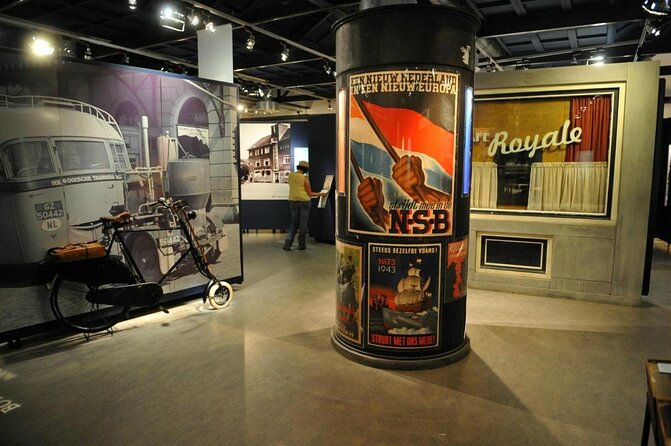
The third stop is Verzetsmuseum Amsterdam, where you’ll learn about the resistance of the Jewish community.
This is an important counterweight in the story. Too many WWII accounts feel like a straight line from persecution to loss. A stop that emphasizes resistance gives you a fuller view, including the fact that people organized, responded, and endured with purpose.
Again, admission ticket is listed as free here. That keeps the day efficient, and it lets you focus on listening and looking rather than managing tickets.
Hollandsche Schouwburg: The Deportation Camps Context
After that, you’ll visit Hollandsche Schouwburg, a stop tied to deportation camps. The guide explains what you should take away from the site and how it fits into the wider deportation system.
This is where the mood tends to get heavier. If you’re someone who likes to talk things out, this is also often where you’ll find the guide has clear, steady answers, since many questions naturally come up when people are processing what a site represents.
Admission ticket is listed as free for this stop too, which is nice when you want to keep costs down but still learn from meaningful places.
De Plantage and the Streets Around It: Place, Not Just Pain
Then you’ll walk through De Plantage. The stop is described as showing the beautiful area and its history.
I appreciate this shift. It’s easy for WWII routes to feel like a series of somber plaques. A neighborhood stop adds texture, showing the place where people lived, moved, and carried on their days before the worst arrived.
You get context without it turning into a sightseeing detour. It’s still part of the story, just told through neighborhood geography.
Spinoza Monument: A Smaller Stop With Focused Takeaways
You’ll also stop at the Spinoza Monument, where the guide tells you about what the monument means in this area.
This one is shorter in the plan, so it’s best to pay attention and let the guide explain what to notice. Monuments like this can look simple at first glance, but a guide can point out why the location and the symbolism matter to the wider narrative.
Dam Square and the Royal Palace Walk: Bringing You Back to Central Amsterdam
As you continue, you’ll walk toward Dam Square and the Royal Palace. Then you’ll explore Dam Square and the Dam Square monument.
This is a smart move for visitors who want to connect the WWII story to modern Amsterdam’s core. It helps your day feel like an integrated city visit, not a one-off detour to a memorial zone.
Admission ticket is listed as free for Dam Square. If you’re hoping to pair this with another central landmark plan later, the return through Dam Square makes that easier.
De Schaduwkade Monument: A Final Remembrance Note Before You Wrap
You’ll end with De Schaduwkade, a monument stop where the guide explains what you’re looking at.
By the final stretch, you’re often better at reading the “why” behind memorial placement. The guide’s job is to leave you with meaning you can carry, not just names you can forget.
Then the walk ends back at the meeting point, so you can keep your afternoon flexible.
Guides, Small Groups, and Why the Pace Feels Right for Photos
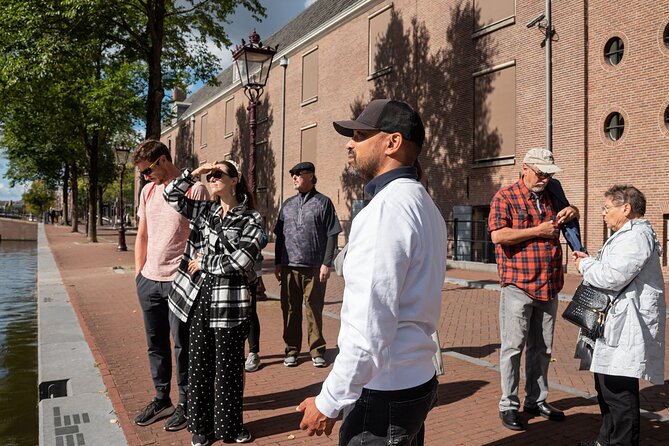
A big reason this tour scores so well is the human delivery. In particular, guides like James, Keese, Masha, Peter, and Stan are highlighted for making history feel personal and for keeping people engaged with clear storytelling.
What I’d look for in a guide style like this is how they handle emotional material without turning it into drama. The best guides keep it grounded, explain connections, and give you room to process.
The group size matters too. With a maximum of 15 people, you’re more likely to get a steady pace where questions don’t get swept aside. You’re also more likely to hear answers that help the whole group, since many people ask similar clarifying questions once the story turns toward deportation and resistance.
For photos, the walking approach is practical. You don’t have to stand in one spot and lose the moment when the light changes. You move, you pause, you frame, you listen, then you keep going.
Price and Value: Paying for a Local Guide, Not Ticket Bundles
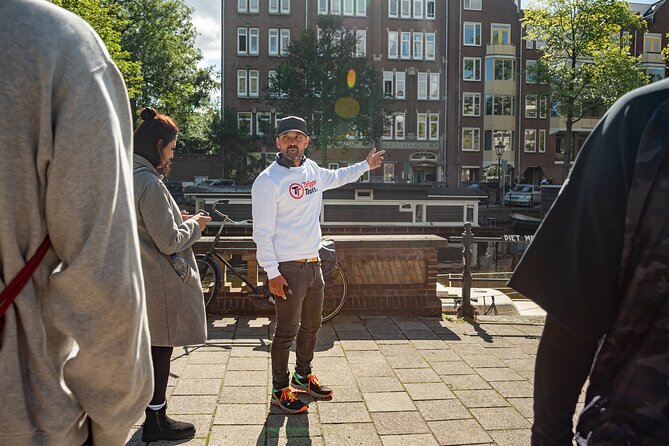
The price is $29.45 per person for about 2 hours. That’s not “cheap as a souvenir,” but it’s also not built around paid entrances.
Here’s where the value comes from. You’re hiring a local guide to connect multiple key sites across the Jewish Quarter and WWII remembrance landscape, and many listed stops are marked as admission ticket free. That means more of your money goes toward interpretation, pacing, and keeping the story coherent.
The big planning point is what’s not included. The Anne Frank House entrance ticket is not included. Food and drinks are also not included, so you’ll want to plan a snack or meal around your schedule.
If you want to add Anne Frank House the same day, do the ticket math early. The most frustrating scenario is thinking you’re booked for everything, then realizing you need a separate plan for the house itself.
Who Should Book This Walking Tour (And Who Might Want a Different Format)

This tour is a strong fit if you want a focused, guided route with enough structure to understand WWII and the Anne Frank story without getting lost in generalities. It’s especially good if you like learning from the street-level meaning of memorials and neighborhood landmarks.
It’s also a good match for people who benefit from a small group and a guide who can answer questions. If you’re visiting for a short stay, the compact length helps you cover key sites without losing the whole day.
If you’re traveling with kids, keep expectations realistic. The walk is long enough that younger children may tire out, and you might find the day works best if the kids are ready for a serious, educational walk.
Finally, if you value privacy, there’s an option to upgrade to a private tour. That can be a helpful choice if you want more time at each stop or a slower pace for deeper questions.
Should You Book This Anne Frank and World War II Walking Tour?
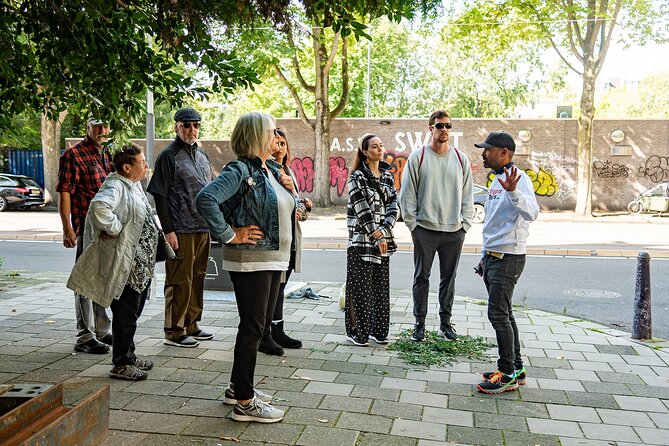
I think you should book this tour if your top goal is to understand Anne Frank and WWII through the Jewish Quarter’s real places, with a local guide who can make the connections clear. The route is tightly planned, many stops are admission ticket free, and the small group size supports questions and a thoughtful pace.
I would not treat it as your Anne Frank House plan. Since Anne Frank House entrance is not included, you should either book the house separately or accept that this walk is the context piece, not the ticketed museum experience.
If that fits how you like to travel, this is a very solid use of your time in Amsterdam. Just bring good walking shoes, plan for a somber tone, and consider getting your tickets lined up early since the tour tends to get booked in advance.
FAQ
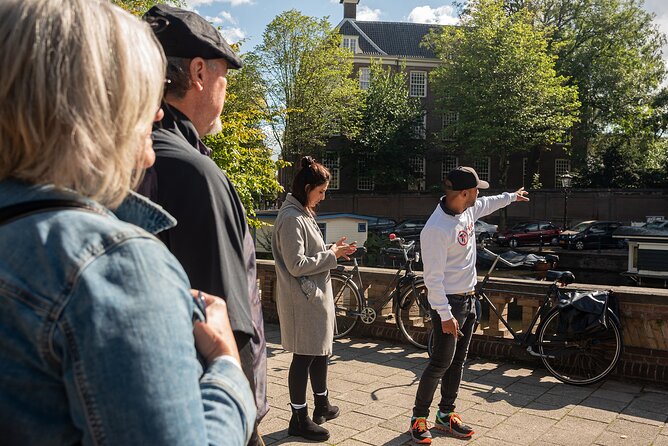
How long is the Amsterdam: Anne Frank and World War II Walking Tour?
It lasts about 2 hours.
What does the tour cost?
The price is $29.45 per person.
Where is the meeting point, and does the tour end nearby?
The tour meets at Amstel 51C, 1018 EJ Amsterdam, Netherlands. It ends back at the meeting point.
Is the tour offered in English?
Yes, it is offered in English.
How many people are in the group?
The tour has a maximum of 15 people.
What is included in the price?
A local guide is included.
Is food and drinks included?
No. Food and drinks are not included.
Are there entrance tickets included for the stops?
The listed stops are marked as admission ticket free. Entrance ticket to Anne Frank House is not included.
Do I need good weather for this experience?
Yes, it requires good weather. If it is canceled due to poor weather, you’ll be offered a different date or a full refund.
Are service animals allowed?
Yes, service animals are allowed.
What is the cancellation policy?
You can cancel for free up to 24 hours in advance for a full refund. If you cancel less than 24 hours before the start time, you will not be refunded.
Latest Amsterdam reviews
- Small Group Tulip and Spring Flower Fields Bike Tour★ 4.5 · 14 reviews
- Amsterdam Van Gogh Museum Private Tour for Kids & Families★ 4.0 · 14 reviews
- Zaanse Schans Windmills Private Tour from Amsterdam Airport★ 5.0 · 14 reviews
- Bruges Day Trip from Amsterdam★ 4.5 · 14 reviews
- Volendam: Volendams Museum Entry Ticket★ 4.4 · 14 reviews
- Zaanse Schans Windmills, cheese and clogs and Volendam tour from Amsterdam★ 5.0 · 14 reviews
- Departure from Amsterdam City to Amsterdam Airport AMS by Minivan★ 5.0 · 14 reviews
- Walking Tour about Golden Age Architecture, private local guide★ 5.0 · 15 reviews