
Reviewed · RED LIGHT DISTRICT
Amsterdam: Red Light Tour Exclusive + Peep Show
What makes this Red Light District tour interesting is that it lets you walk the real streets of Amsterdam’s most famous block, but with small-group privacy and a guide who keeps the tone human, not sensational. I also like the fact that it ends with a 70s live peep show, so you get a cultural snapshot of how people once experienced the district.
Two things I especially like: the pace and group size mean you can ask questions and hear details even when the streets get busy, and the tour takes a critical view on sex work, including how the system works and how politics shaped what you see today. On top of that, guides like Noemi, Ginevra, and Lili have a knack for mixing humor with respect, which matters in a topic this delicate.
One consideration: cameras are not allowed, and the peep show has a separate entry fee, so it is not a grab-every-photo kind of outing, and you’ll want a bit of cash ready.
Key takeaways before you go
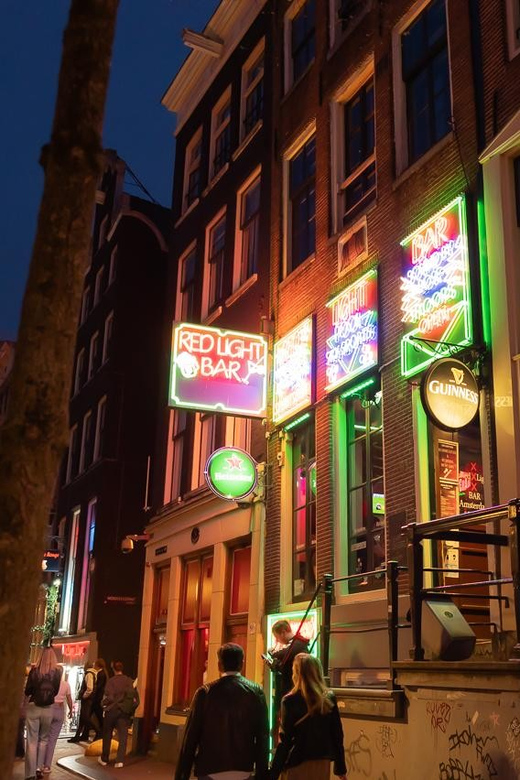
- Small group size (up to 4) keeps the walk quieter and easier to hear, even on crowded days
- Politics and street-level reality get covered, including how the district is governed and how sex work fits into the system
- A live 70s peep show is included as an experience, with only the 2€ entry fee paid separately
- Coffeeshop street stops help explain the socio-political debate around cannabis rules in the Netherlands
- No cameras, no photos of sex workers means you focus on the guide’s context, not on shooting pictures
- Fridays and Saturdays are busier, so you’ll likely enjoy it more on a weekday
Walking into Amsterdam’s Red Light District, Dam Square to Nieuwmarkt
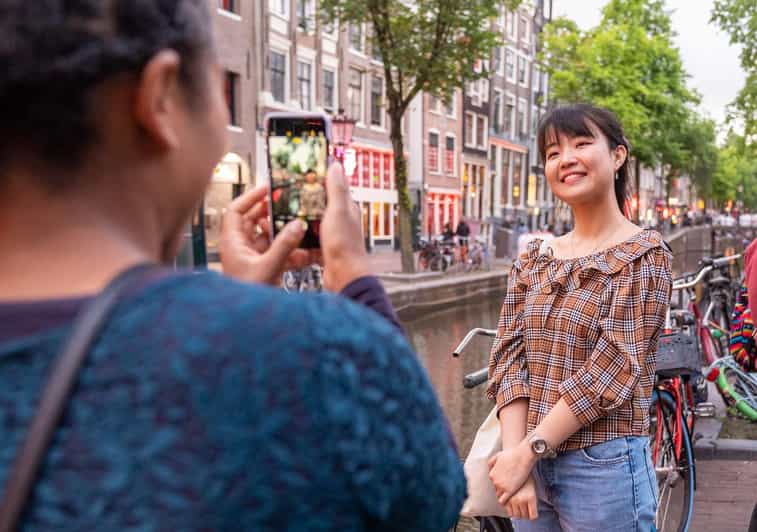
This tour starts at Dam Square, at the steps of the National Monument, where your guide wears a red name tag. It runs about 1.5 hours and covers roughly 1.8 km (1.2 miles) at a comfortable pace. The route is designed to keep you moving through the heart of the district without feeling like you’re stuck in a big crowd.
One reason this format works is that Amsterdam has tightened rules for tourist groups in the district. Your tour is set up as a private or small-group experience, which helps you get closer to what’s going on without turning the street into a guided parade.
You’ll also want to know the vibe rules up front. The tour does not allow cameras, and it prohibits anything that would get disrespectful, like intoxication, alcohol and drugs, littering, or unaccompanied minors. It is the kind of outing where your guide’s instructions help keep the tone steady for everyone nearby.
More Red Light District walking tours:
- Amsterdam: Red Light District Tour in DE/EN/IT/ES/FR
★ 4.9 · 7,136 reviews - Amsterdam: Red Light Secrets Museum Entry Ticket
★ 4.2 · 5,722 reviews - Amsterdam Red Light District & Coffee Shop Tour
★ 4.6 · 4,134 reviews
Dam Square, Condomerie, and Oude Kerk: the area’s power centers
You begin in the open at Dam Square with a short guided introduction. It’s a smart opener because it gives you context right away. From there, you head into the district’s maze of streets where the whole neighborhood feels like it is built for closeness and observation.
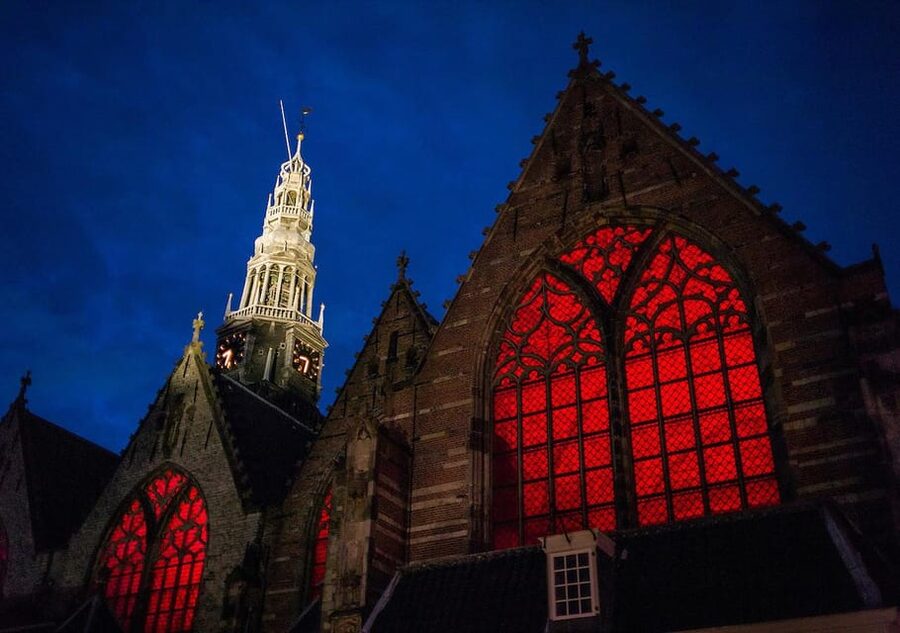
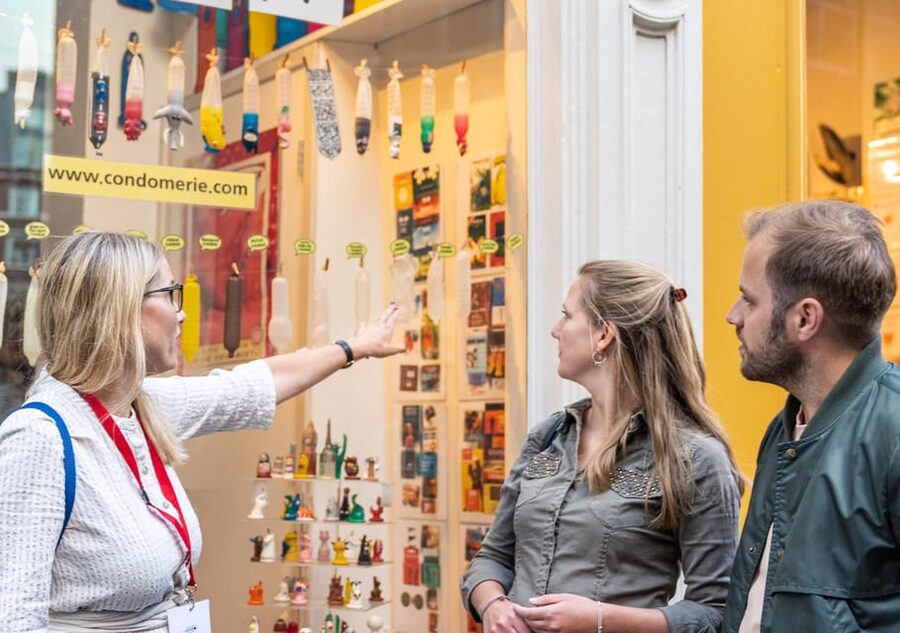
The next stops include Condomerie and Oude Kerk. Oude Kerk matters because it reminds you that this area is not only about nightlife headlines. It sits in a city with layers of older institutions, and the guide uses that contrast to explain why modern red-light life exists alongside long-standing Amsterdam traditions.
At each stop, the guide isn’t just pointing and naming. You get story-driven context, including how politics and local decisions shaped what you see today. That’s where the tone of the tour really sets it apart. You’re learning how the district got structured, not just absorbing facts you can read on a sign.
A nice detail: the walk is intentionally paced so you can actually hear. In small groups, you’re less likely to get lost in the shuffle when the alleyways get narrow.
Warmoesstraat and the Dancing Houses photo moment
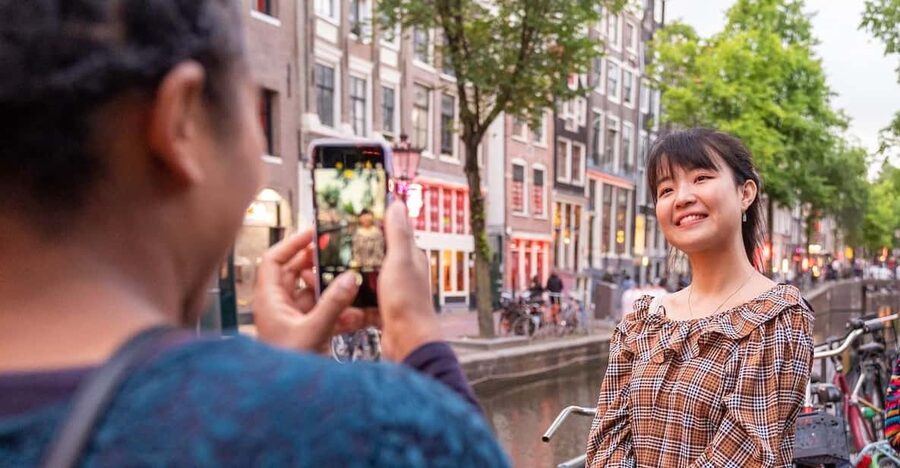
Warmoesstraat is where the district starts to feel intensely “Amsterdam.” The guide adds a photo stop, and you’ll also get a bit of guided talk here. It’s a good moment to pause, look up at facades, and understand the street layout.
Then you reach the Dancing Houses area, another brief stop for photos and orientation. These stops are not filler. They help you keep track of where you are so later details make sense. In a place where streets twist and everything feels close, orientation is half the experience.
If the weather is rough, you’ll still keep moving. The tour runs in any weather, so I’d plan on an umbrella and wear shoes you can handle on slick pavement. Amsterdam loves rain, and this district is not the place for slippery soles.
The narrowest alley and why it mattered
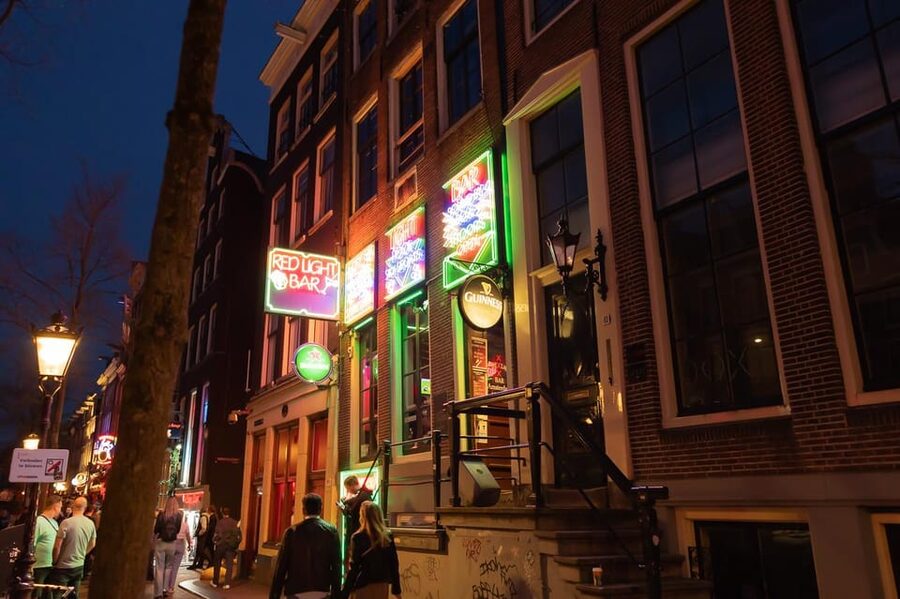
One of the most memorable parts is walking through the narrowest alley in Amsterdam and hearing why it became such a hot spot within the red light district. The point is not gossip. It’s about how space affects human behavior, privacy, and risk.
Narrow streets change everything: sound carries differently, visibility gets controlled by angles and lighting, and people can keep a sense of distance even when the scene is public. Your guide uses that physical reality to connect to the broader story of how the district works.
This is also where the “private walking” design pays off. In a bigger group, narrow alleys can feel chaotic. In a group of up to four, you can walk in a more orderly way and actually listen.
A few other ways to fill a day in Amsterdam
- Amsterdam: Van Gogh Museum Ticket
★ 4.7 · 52,054 reviews - Amsterdam: Heineken Experience Ticket including 2 Drinks
★ 4.6 · 36,014 reviews - Amsterdam Classic Saloon Boat Cruise with Drinks and Cheese
★ 5.0 · 31,825 reviews - Amsterdam Luxury Canal Cruise + Unlimited Drinks & Bites option
★ 5.0 · 30,518 reviews
Borstplaat in brons: a pause for public memory
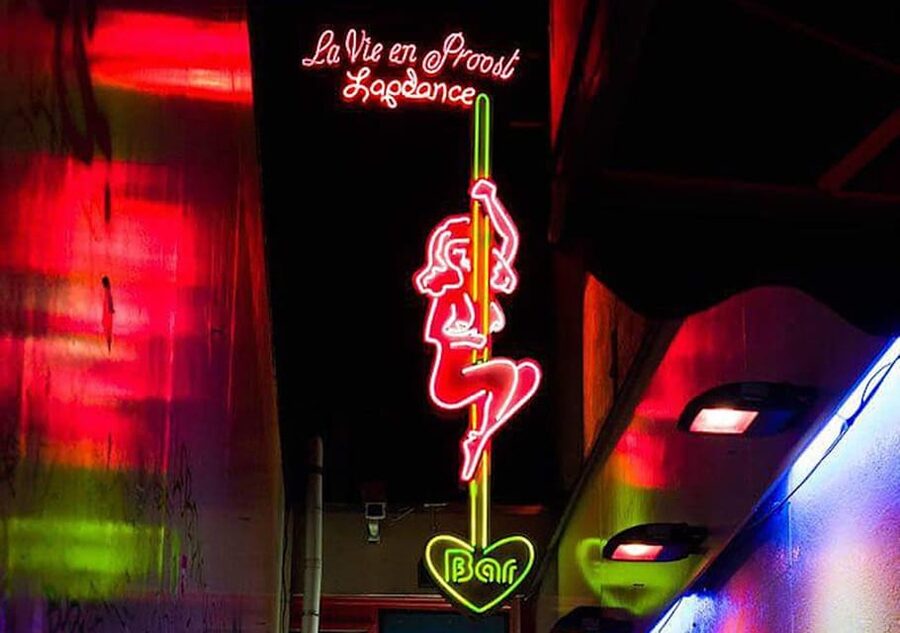
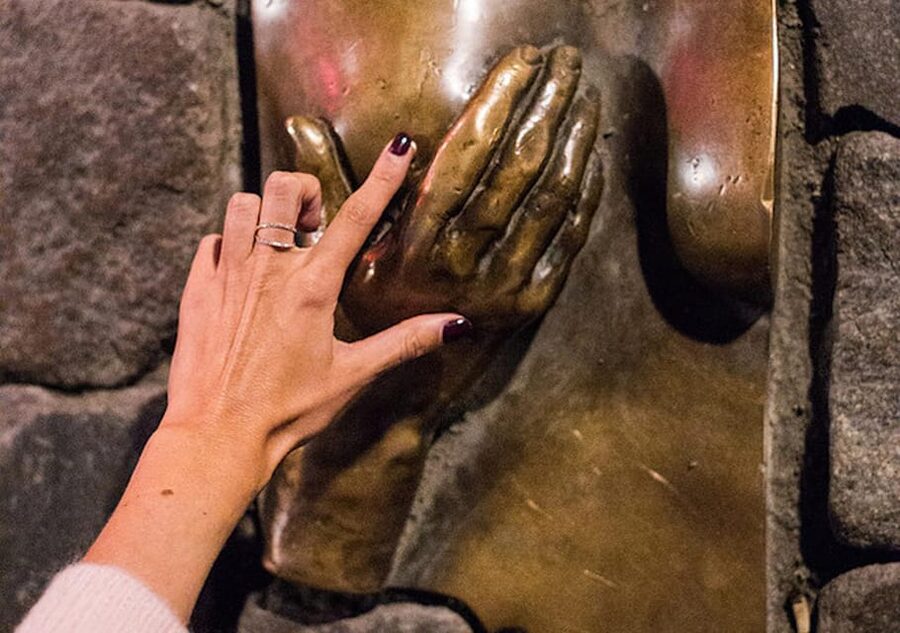
Midway through, there’s a stop at Borstplaat in brons. Even though it sounds like just a quick marker, it works as a reminder that the district is not only entertainment and commerce. Public memory is part of the conversation, and the guide uses these kinds of points to keep the tour from becoming purely voyeuristic.
I like moments like this because they slow you down. You look at a specific object in the street, then you shift back into history and politics. That rhythm keeps you grounded.
Sex work, privacy, and a system that has rules
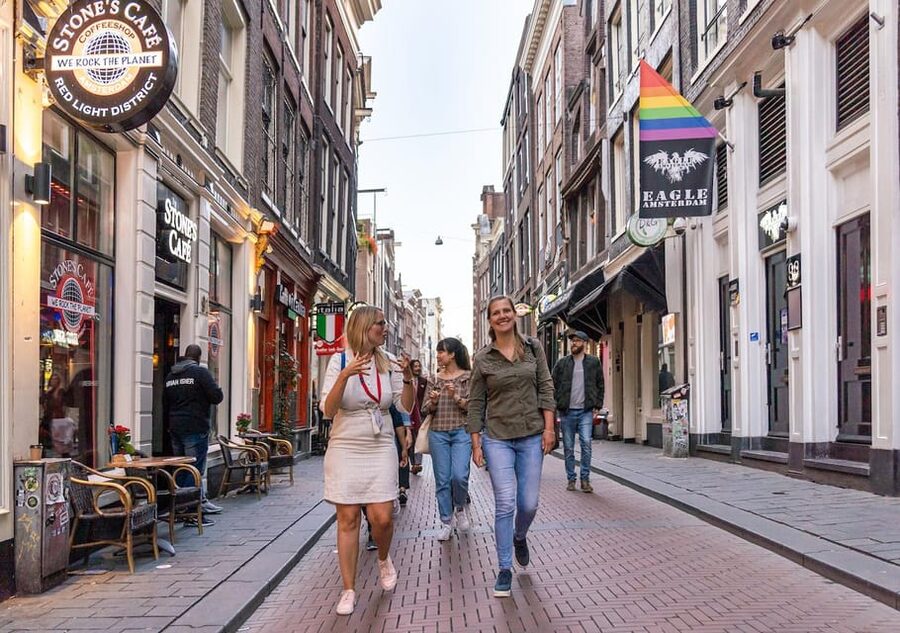
This tour is clear about its goal: it gives you a critical view of sex work in Amsterdam. That means you learn how sex workers make a living, what the system is, how it functions day to day, and how politics shaped the current model.
You’ll see the famous red windows, and you’ll hear why the district is set up the way it is. The guide’s job is to help you see the street with context. You are not just looking at a spectacle. You’re learning about labor, safety, regulation, and the tradeoffs of visibility.
A key practical point: cameras are not allowed, and you also must not take photos of the sex workers. That rule is not only about manners. It changes the whole experience. Instead of hunting for images, you notice details you would otherwise miss, like how the space is organized and how the guide frames the meaning behind what you’re seeing.
If you have strong reactions either way, bring curiosity, not assumptions. The most satisfying tours I’ve seen in sensitive areas are the ones where you let the guide do the explaining and you ask thoughtful questions when there’s room.
Coffeeshops and the political story behind Warmoesstraat choices
One of the stops is The Bulldog The First Coffeeshop. You’ll get guided context about coffeeshops and the socio-political history around them. This matters because Amsterdam’s approach to cannabis is not just a lifestyle story. It is regulation, tolerance, policing strategy, and public debate all rolled into one.
Even if you’re not interested in cannabis, the stop helps you understand why Amsterdam’s culture can feel contradictory to visitors. The city makes room for certain behaviors while still shaping them with rules and boundaries.
It also fits the tour’s wider theme: Amsterdam does not treat these issues as one-dimensional moral battles. The guide connects the coffeeshop world to the way laws and politics shaped daily reality for decades.
The famous windows, and what your guide will emphasize
The heart of this experience is watching how the district operates as a defined space within the city. Your guide talks about earnings and how the system works, so you can understand the practical side of sex work rather than reducing it to a headline.
Another important part is tone. The tour aims to be respectful and critical at the same time. You’re encouraged to think about protection, power, and the realities that come with visibility.
From the people I’ve spent time with in Amsterdam, I’ve learned that the guide makes or breaks the experience in this area. In past groups, guides such as Joschka, Deborah, Kubra, and Ginevra have been praised for keeping explanations tasteful and for handling delicate topics without turning them into jokes.
Also, in busy moments on the street, small group spacing helps. You’re less likely to bump into people or block doorways, and the guide can keep the conversation flowing.
Sex Palace and the 70s-style live peep show, what to expect
You finish with a visit to Sex Palace, a live peep show experience described as a fun stop. It includes a guided tour and a dance show component, and it takes about 10 minutes as part of the tour.
A major practical note: the peep show has a separate 2€ entry fee that is not included in the main price. You should budget for that.
The experience itself is brief, described as a 2-minute fun moment, and it does not involve physical interaction with another person. That detail matters. You’re not signing up for anything intimate or complicated. It is more like a quick, retro slice of Amsterdam’s adult entertainment culture.
One more thing: this is a change in pace. After walking and learning, you end with something that is designed to be light and theatrical. It’s optional in practice only in the sense that you might choose not to go, but your tour format clearly includes the stop.
If you really care about your schedule, I’d also check in at the start that the peep show timing is part of your day. The only snag I’ve heard of is when expectations around the final stop get misunderstood, especially around timing.
Price and value: is 61 dollars worth it?
At $61 per person for about 1.5 hours, this tour is not cheap, but it also isn’t vague. You’re paying for a guide who can handle sensitive content, a small-group walk through the center of the district, and a live peep show experience as the wrap-up.
The small-group setup is a big value driver here. Up to four people means you get privacy on narrow streets and better listening conditions. If you’ve ever done big-group tours in tight alleys, you know how quickly that can ruin a good lesson.
Also, a 1.50€ city tax is included. The peep show entry fee is separate at 2€, and that’s the kind of “small add-on” you can plan for easily.
Where the value can feel uneven is if you are hoping for camera-friendly sightseeing or if you expect the tour to be kid-friendly. It’s not. Children under 16 are not suitable, and cameras are not allowed. If you’re good with rules and you want context, the price starts to make sense quickly.
Who should book this tour, and who should skip it
This tour fits best if you want to understand Amsterdam, not just gawk. You like history and politics, and you want a critical perspective on sex work that’s grounded in how the local system works.
You’ll also enjoy it if you prefer a calmer street experience. The up-to-four format is built for hearing your guide, not just staying upright in a crowd.
I’d skip it if you need photos on your camera roll, if you’re traveling with kids under 16, or if you want an alcohol-fueled night out. The rules clearly steer it away from that.
Good to know if you have mobility needs: it is listed as wheelchair accessible, and in real situations guides have paced the tour for slower walkers. If you use a walking stick or have any mobility limits, tell your guide early so they can set a pace that works for you.
Should you book Amsterdam Red Light Tour Exclusive + Peep Show?
I’d book this if you want a respectful, street-level explanation of Amsterdam’s red light district, with a small group and real context from a guide who can keep delicate topics clear. The combination of district walking plus a 70s-style live peep show makes it feel like a complete cultural experience rather than a quick photo stop.
I’d hesitate if you’re expecting camera time, you’re bringing a minor under 16, or you dislike structured rules in sensitive environments. Also, if you can choose days, aim for a quieter weekday, because Fridays and Saturdays bring more tourist traffic.
If you match the vibe, this is one of those tours that helps you leave Amsterdam with more understanding than you arrived with.
Latest Amsterdam reviews
- Small Group Tulip and Spring Flower Fields Bike Tour★ 4.5 · 14 reviews
- Amsterdam Van Gogh Museum Private Tour for Kids & Families★ 4.0 · 14 reviews
- Zaanse Schans Windmills Private Tour from Amsterdam Airport★ 5.0 · 14 reviews
- Bruges Day Trip from Amsterdam★ 4.5 · 14 reviews
- Volendam: Volendams Museum Entry Ticket★ 4.4 · 14 reviews
- Zaanse Schans Windmills, cheese and clogs and Volendam tour from Amsterdam★ 5.0 · 14 reviews
- Departure from Amsterdam City to Amsterdam Airport AMS by Minivan★ 5.0 · 14 reviews
- Walking Tour about Golden Age Architecture, private local guide★ 5.0 · 15 reviews
Red Light District, compared.
Amsterdam Red Light District & Coffee Shop Tour
Read our review →
Red Light District Pub Crawl with Unlimited Shots
Read our review →
Private Amsterdam Red Light District and Coffee Shop Tour
Read our review →
Browse the lists this tour appears in