
Reviewed · HOLOCAUST AND JEWISH HERITAGE
Amsterdam: National Holocaust Museum Entry Ticket
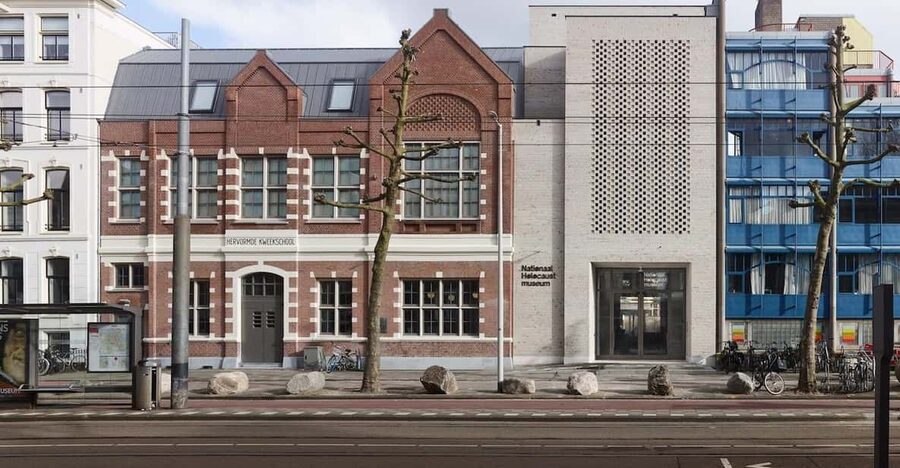
The National Holocaust Museum in Amsterdam is interesting because it puts the story of the Holocaust in a very specific Dutch place, not just a general timeline. You’re walking through the former Hervormde Kweekschool, a school building tied to what happened to Jewish children during the Nazi occupation.
I especially like how the museum focuses on recognizable human stories, not only numbers. I also like the way it connects daily life before the war to the machinery of persecution during the occupation. One possible drawback to plan for: the content can feel information-heavy, and the building encourages you to slow down, not skim.
Key things I’d mark on your mental map
- Former Hervormde Kweekschool setting: the building itself is part of the story
- Henriëtte Pimentel’s role: a named figure tied to rescue efforts connected to the Kweekschool
- Daily life before the war: Jews and non-Jews living side by side with the same rights
- Unflinching deportation history: the Nazis using the adjacent daycare as a gathering and deportation point
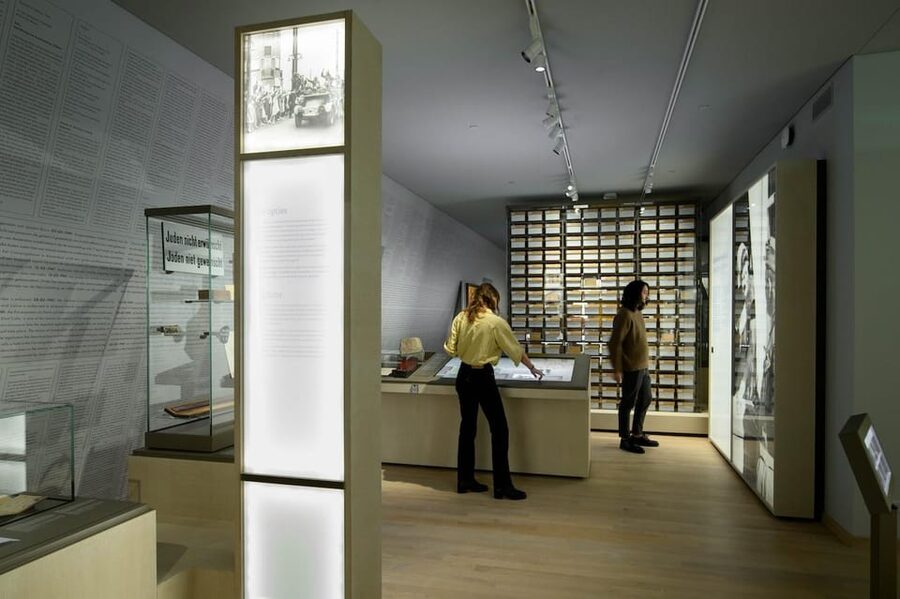
- Interactive and audio support: hologram-style Q and A and an audio guide that keeps you moving through topics
- Ticket includes a second site: Hollandsche Schouwburg National Holocaust Memorial entry
National Holocaust Museum in the Hervormde Kweekschool: the building does half the work
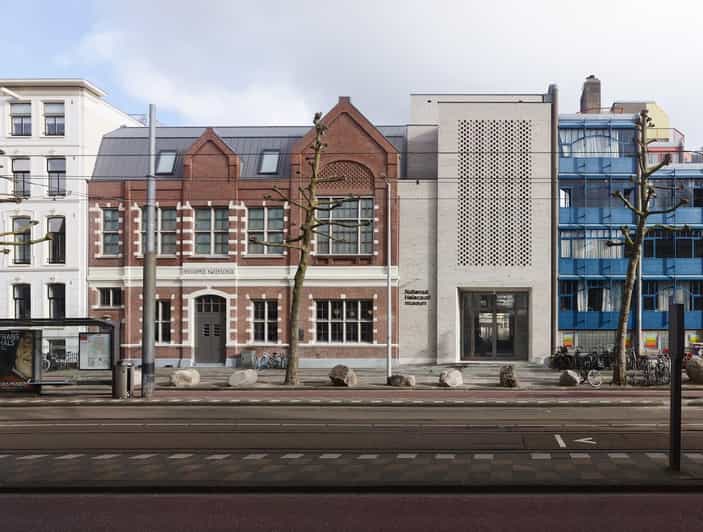
This is one of those museums where you can feel the weight of the place. The National Holocaust Museum is housed in the Hervormde Kweekschool, a former school. That matters because the story is not floating in space. It’s anchored in a structure that connects education, childhood, and then the violence done to Jewish children when the Nazis took control.
The museum uses that setting to help you understand what persecution looked like in the Dutch context, and how the occupation changed everyday life. You learn that before the Second World War, Jews and non-Jews lived alongside each other with the same rights. Then the occupation arrives, and rights vanish fast.
At the center of the museum’s telling is the brutal reality that approximately six million Jews were murdered in Europe during the Holocaust or Shoah. The Dutch story is even sharper: about three-quarters of the Jewish population in the Netherlands were killed. Expect the museum to treat these figures as the start of a human story, not a stopping point.
More Museums in Amsterdam
- Amsterdam: Van Gogh Museum Ticket
★ 4.7 · 52,054 reviews - Moco Museum Amsterdam Entrance Tickets with Banksy & More
★ 4.4 · 10,088 reviews - Amsterdam: Red Light Secrets Museum Entry Ticket
★ 4.2 · 5,722 reviews
Tickets, price value, and how much time to plan
The entry ticket is $24 per person. For me, the value is strongest because your ticket isn’t only for one room or one building. It includes entry to the National Holocaust Museum and also includes the Hollandsche Schouwburg National Holocaust Memorial.
Duration is listed as 7 days from first activation, which means you have some flexibility to fit it into your Amsterdam rhythm. In practice, that matters because Holocaust museums benefit from pace. You may want to return later if you find yourself slowing down in certain galleries.
Time-wise, I’d plan for at least half a day, and be ready for longer if you want to read carefully and use the audio and interactive tools. People who rush through places like this tend to miss the connections between sections, like how exhibits move from daily life to occupation policies to deportations.
Entering the Kweekschool: children, daycare, deportation, and Henriëtte Pimentel
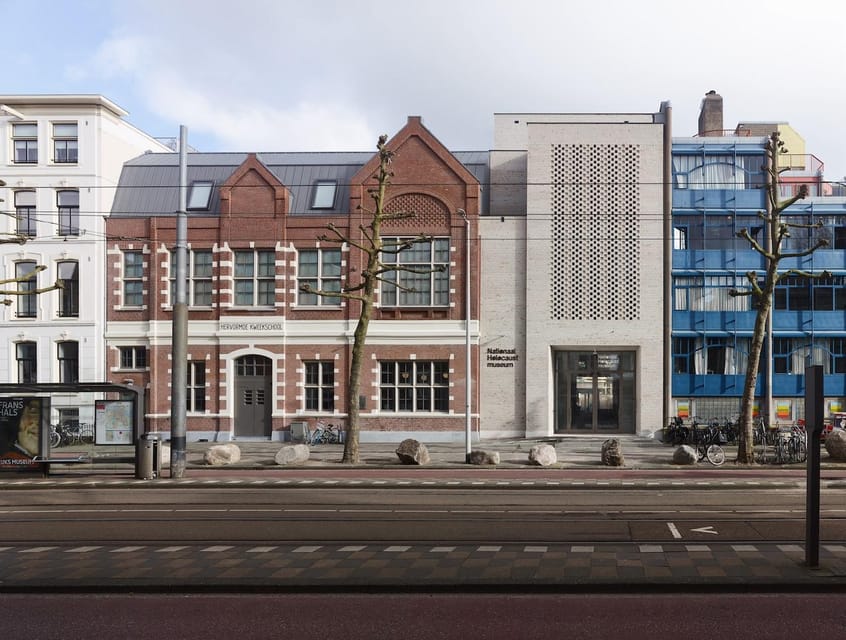
The museum experience starts to click once you understand the specific function of this building during the occupation. The Hervormde Kweekschool was tied to the Nazis using the adjacent daycare as a gathering and deportation point for Jewish children.
This is where the museum becomes both painful and clarifying. It shows how persecution wasn’t only carried out in distant camps. It operated through local steps, through institutions that were already familiar. That’s part of what makes the story hard to forget: it’s close to home, and it moves through systems that look normal until you see what they were used for.
One of the strongest named elements you’ll encounter is director Henriëtte Pimentel. The museum explains that Pimentel helped hundreds of children escape, including through the Kweekschool. That detail matters because it adds a second thread to the narrative, not only destruction but also survival and rescue efforts happening in the same walls where tragedy unfolded.
As you move room to room, expect the museum to frame the persecution of Jews in the Netherlands within the wider Holocaust story, while still keeping the Dutch setting and Dutch experience at the center.
Daily life before the war: what normal looked like
A lot of Holocaust education happens in the “before” and “after” pattern. This museum does that too, but it tries to make before feel specific. You’ll see how Jews and non-Jews lived with the same rights in the Netherlands prior to the Second World War.
This section helps you understand what the occupation broke. It isn’t just an abstract shift from peace to horror. It’s a dismantling of a shared social fabric.
And when the museum then turns to occupation, deportations, and murder, the contrast hits harder. It also makes it easier to follow the logic of persecution, because you have a baseline for daily life, language, routines, and community life before Nazi policies were imposed.
Not the right fit? Amsterdam also runs these:
- Amsterdam: Heineken Experience Ticket including 2 Drinks
★ 4.6 · 36,014 reviews - Amsterdam Classic Saloon Boat Cruise with Drinks and Cheese
★ 5.0 · 31,825 reviews - Amsterdam Luxury Canal Cruise + Unlimited Drinks & Bites option
★ 5.0 · 30,518 reviews - Amsterdam: Rijksmuseum Entry Ticket
★ 4.7 · 29,512 reviews
How the museum handles Dutch Holocaust memory culture
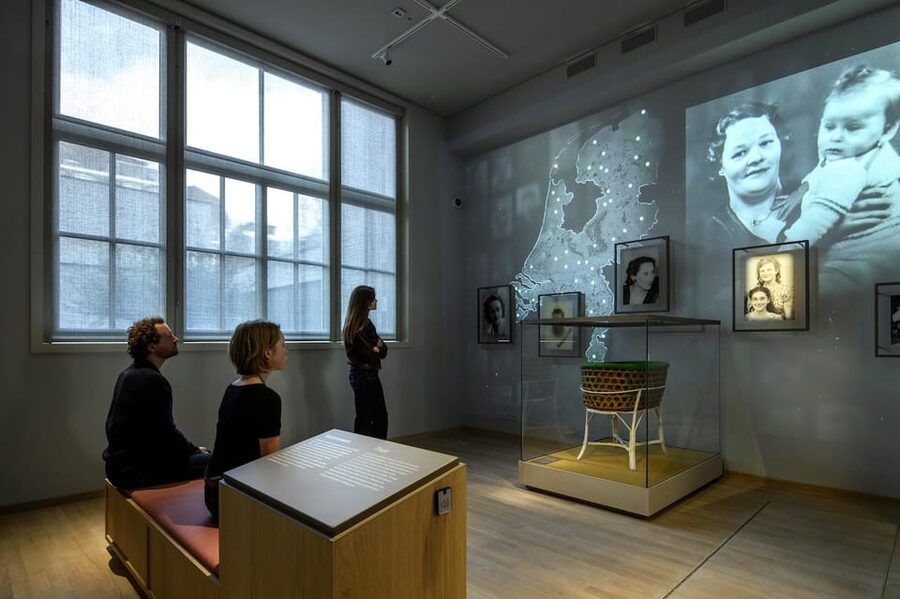
The museum’s approach is not only historical. It’s also about memory. One part of the experience focuses on how the Holocaust was handled inside Dutch national memory culture.
That might sound abstract, but inside the building it becomes practical. You see how exhibits present victims in ways that give them recognizable faces. That choice is important. It fights against the idea that atrocities are just statistics or background noise.
The museum presents the history unabashedly, and it leans on the idea that remembering is not passive. It requires structure, explanation, and a clear link between events in the past and the moral responsibility of the present.
If you’re the kind of traveler who likes your museums to answer not only what happened but also how societies explain it afterward, you’ll probably find this part especially worth your time.
Interactive holograms and audio support: pacing your understanding
The museum includes interactive tech, including holograms where you can ask questions and get answers. I like this kind of feature in a museum like this because it helps you steer your visit based on what you want clarified. Some people find themselves slowing down here, because the questions are personal in a good way, and the answers help you connect the dots.
You can also use an audio guide, and it’s described as informative throughout the museum. If you learn best by listening while you read labels, this can be a strong way to keep your pace steady.
There’s also mention of electronic guidance that may switch into Dutch in some parts, even when you’re expecting English. If you want English only, keep that in mind. If you don’t mind a mix, it’s still an effective tool for staying anchored as you move between galleries.
Artifacts, lighting, and the practical reality of glass displays
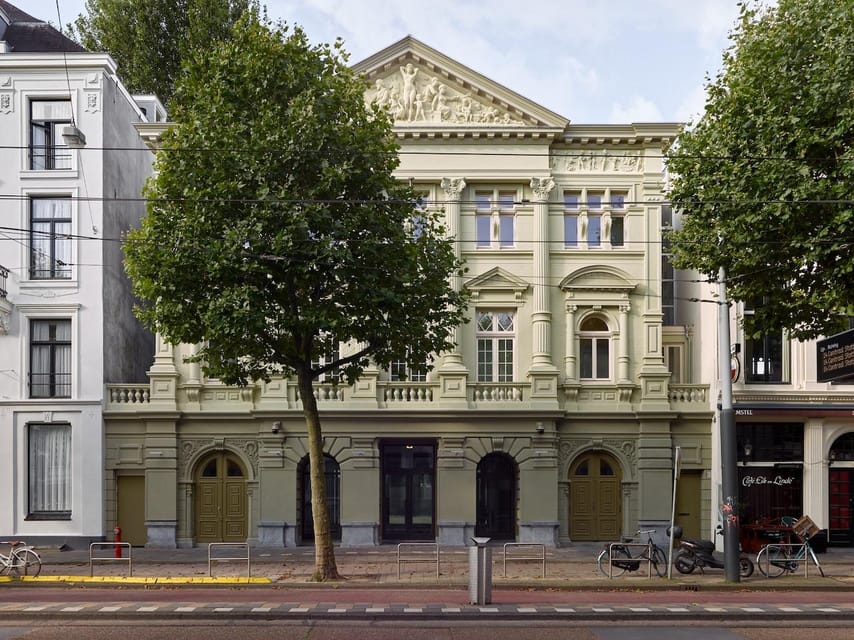
A recurring detail from visitors is about the museum’s glass and reflections. Some exhibits sit behind glass cabinets that reflect light, which can make small details harder to read at certain angles. That doesn’t ruin the experience, but it does change how you should look.
Here’s the practical move: pause, change your viewing angle slightly, and give your eyes a moment. If you’re photographing, be respectful as photography is allowed, but avoid flash or anything that disturbs others.
You’ll likely notice iconic objects like suitcases and portraits mentioned as standout items. Even when lighting is tricky, the overall presentation is designed to keep you oriented, organized, and moving through the story in a clear sequence.
Possible friction points: information load, signage, and narrow viewing
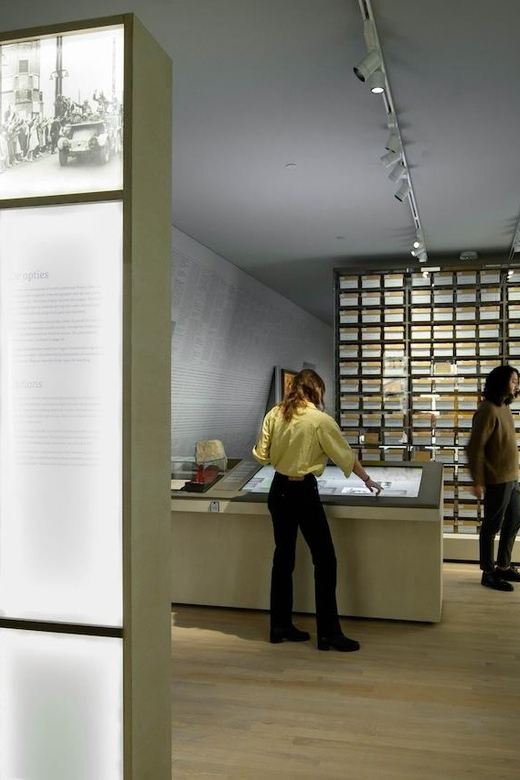
This museum is built for reflection, not speed. That means it can feel like a lot at once. One drawback you should consider is that the information can be overwhelming if you try to cover everything in one straight line. If you’re sensitive to heavy topics or you get mentally tired after long reading sessions, plan breaks.
Another practical issue is signage. Some people report that signage can be poor for following your route. My advice is simple: don’t hesitate to stop and reset your plan midway. Use the museum’s flow, but if you feel you’re wandering, it’s better to ask or check than to keep forcing it.
There are also exhibits that can be viewed only by a limited number of people at a time, so you might face small wait moments or have to choose between queueing and moving on. If your goal is to see everything, build a bigger time buffer. If your goal is to focus on the sections that hit hardest, you can skip the bottleneck items and still leave with a full understanding.
Finally, if you’re the type who likes to linger, don’t leave your big reading sections for the very end of the visit. Some visitors mentioned needing to leave early as closing approached. Build slack into your day so you don’t feel rushed at the last minute.
Extending the story: Hollandsche Schouwburg National Holocaust Memorial ticket
Your ticket also includes entry to the Hollandsche Schouwburg National Holocaust Memorial. This is important because it expands the experience beyond the museum’s main galleries.
Think of it as the “second layer” of context. The museum helps you understand the story, and the memorial helps you feel its weight in a more grounded, commemoration-focused way. If you only do one, you might get the history but miss the full sense of how the Dutch public landscape remembers and marks the Holocaust.
When you plan your day, I recommend keeping energy for this second stop. Even if you feel emotionally heavy after the museum, going to the memorial while the story is still fresh can make the experience more coherent.
Wheelchair accessible, photography allowed, and respectful rules
The experience is listed as wheelchair accessible, which is good to know if you need step-free routes or extra time. Photography is allowed, with the key instruction to be respectful. Keep that in mind if you’re taking photos of artifacts or labels, and avoid blocking other people while you frame shots.
This museum is more about attention than performance. If you treat it like a quiet place to learn and remember, you’ll get more from it.
Who this fits best, and who might want a different plan
This ticket is best for you if you want to understand the Holocaust in a Dutch context with real specificity: the Kweekschool building, the role of Henriëtte Pimentel, the use of an adjacent daycare as a gathering and deportation point, and how daily life shifted from equal rights to systematic persecution.
It also suits you if you like museums that connect exhibits to human faces and clear explanations. The museum’s approach to showing victims as recognizable people is one of its strongest qualities.
On the other hand, if you’re someone who struggles with heavy emotional topics or you only want light, casual sightseeing, this may not be your best use of time. You don’t have to be a history expert. Still, you should be ready for a serious visit.
Also, if you have very limited time in Amsterdam, this is not the type of attraction where you can squeeze in 45 minutes and feel satisfied. Plan for time, reading, listening, and pauses.
Should you book this Amsterdam Holocaust Museum ticket?
Yes, I think you should book it if you’re in Amsterdam and you want a direct, structured, and place-specific Holocaust experience in the Netherlands. The $24 price makes sense because it gets you into the National Holocaust Museum and also includes the Hollandsche Schouwburg memorial, giving you two meaningful stops for one ticket.
Book it now if you want flexibility too, since the ticket is valid for 7 days from first activation. And if you prefer traveling with your own pace, this is set up for that, with audio support and interactive elements that help you control how you move through difficult material.
Skip it only if you need a lighter day, or if you know you won’t be able to handle the emotional weight and the amount of information on site. If you can give it time, this is the kind of visit that stays with you long after you leave the building.
FAQ
How much is the Amsterdam National Holocaust Museum entry ticket?
The price is listed as $24 per person.
What is included with this ticket?
It includes entry to the National Holocaust Museum and also includes entry to the Hollandsche Schouwburg National Holocaust Memorial.
Where is the meeting point?
The meeting point is National Holocaustmuseum.
How long is the ticket valid?
The ticket is valid for 7 days from the first activation.
Can I reserve now and pay later?
Yes. The experience offers reserve now & pay later, where you can book and pay nothing today.
Is there free cancellation?
Yes, free cancellation is available up to 24 hours in advance for a full refund.
Is the museum wheelchair accessible?
Yes, it is listed as wheelchair accessible.
Is photography allowed inside the museum?
Photography is allowed, but you should be respectful.
What does the museum focus on?
You learn about the persecution of Jews in the Netherlands during the Second World War, including daily life before the war, liberation, and how the Holocaust is handled in Dutch national memory culture.
How long should I plan for?
Plan for a half-day or more because there is a lot to see and hear, and the museum content can feel information-heavy.
Latest Amsterdam reviews
- Small Group Tulip and Spring Flower Fields Bike Tour★ 4.5 · 14 reviews
- Amsterdam Van Gogh Museum Private Tour for Kids & Families★ 4.0 · 14 reviews
- Zaanse Schans Windmills Private Tour from Amsterdam Airport★ 5.0 · 14 reviews
- Bruges Day Trip from Amsterdam★ 4.5 · 14 reviews
- Volendam: Volendams Museum Entry Ticket★ 4.4 · 14 reviews
- Zaanse Schans Windmills, cheese and clogs and Volendam tour from Amsterdam★ 5.0 · 14 reviews
- Departure from Amsterdam City to Amsterdam Airport AMS by Minivan★ 5.0 · 14 reviews
- Walking Tour about Golden Age Architecture, private local guide★ 5.0 · 15 reviews