
Reviewed · SECOND WORLD WAR HISTORY
Amsterdam: Dutch WWII Resistance Museum Entry Ticket
What makes this ticket interesting is that the museum shows resistance as something ordinary Dutch people did, not just heroic myths. I love the audioguide setup that helps you follow along in your language, and I love how the exhibits use personal documents and objects to make the war feel human. One possible drawback: the material is emotionally heavy, so you will want to pace yourself and take breaks when you need them.
This is a self-guided visit that walks through multiple forms of resistance, plus a dedicated section about the Dutch East Indies and the Japanese occupation. Plan on a serious chunk of time, since you will likely keep stopping to read, watch, and listen.
Key things to know before you go
- Multilingual audioguide included, with Dutch, English, French, German, Italian, Spanish, and Portuguese
- Scan and listen points throughout, so you can choose which stories you hear and how much detail you take in
- Everyday resistance, not just battle scenes, covering strikes, hiding people, forged papers, underground press, escape routes, espionage, and armed action
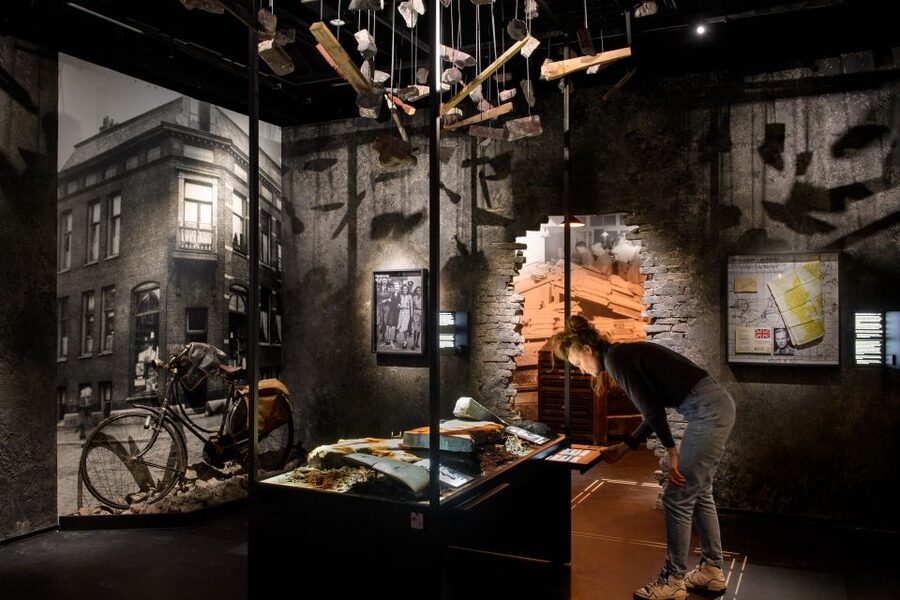
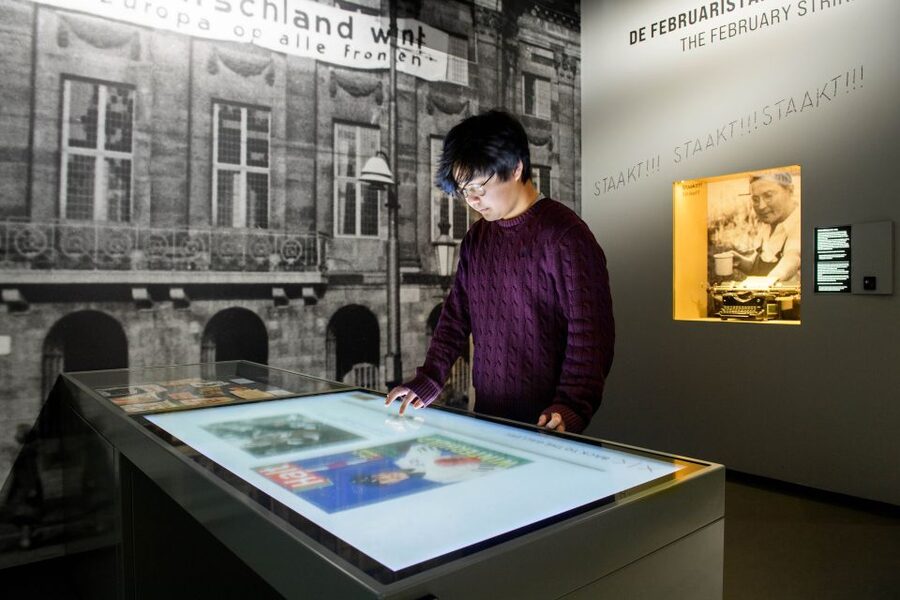
- Photo and document walls that recreate the look and mood of occupied Netherlands
- Dutch East Indies section focused on harrowing experiences under Japanese terror
- Wheelchair accessible layout, with tech that keeps the experience usable even if you need to sit at times
Dutch WWII Resistance Museum ticket: what this visit is really about
This museum is not trying to be a simple timeline. It is about choices under pressure, and the way life shrank during Nazi occupation in the Netherlands. You will see how resistance could be loud, like sabotage, or quiet, like helping someone vanish into hiding.
What I appreciate most is that it does not treat resistance as a single type of bravery. You learn the wide range: strikes, forgery, underground newspapers, escape routes, espionage, and armed resistance. That range matters, because it shows how many people could participate in different ways, even when the risks were extreme.
You should also know it covers more than Europe. There is a separate focus on the Dutch East Indies and the experiences of people living through Japanese occupation. That extra context makes the museum feel larger than a typical WWII stop in Amsterdam.
More Museums in Amsterdam
- Amsterdam: Van Gogh Museum Ticket
★ 4.7 · 52,054 reviews - Moco Museum Amsterdam Entrance Tickets with Banksy & More
★ 4.4 · 10,088 reviews - Amsterdam: Red Light Secrets Museum Entry Ticket
★ 4.2 · 5,722 reviews
Getting in: tickets, audioguides, and how to use them
Your practical start is straightforward. Show your ticket(s) at the museum counter. After that, you are on your own schedule, with an included audioguide to guide you room to room.
A big plus is that the audio is offered in many languages, including English. The museum also uses an exhibit system that works by scanning at different stations. The result is you can steer your visit. If you want more detail, you can listen longer at a specific topic. If you prefer to skim, you can move on without losing the thread.
You will likely notice that the audio equipment is interactive. Some visitors used handheld units and QR code scanning so the story tied directly to what they were looking at. Either way, the key is simple: give yourself time to use the audio rather than treating it like background noise.
The resistance galleries: strikes, hiding, papers, and escape routes
Inside, the museum lays out resistance as a network of actions. You will move through themes that show what Dutch people did during the occupation, including:
- strikes and other forms of public pushback
- helping people to go into hiding
- forging documents
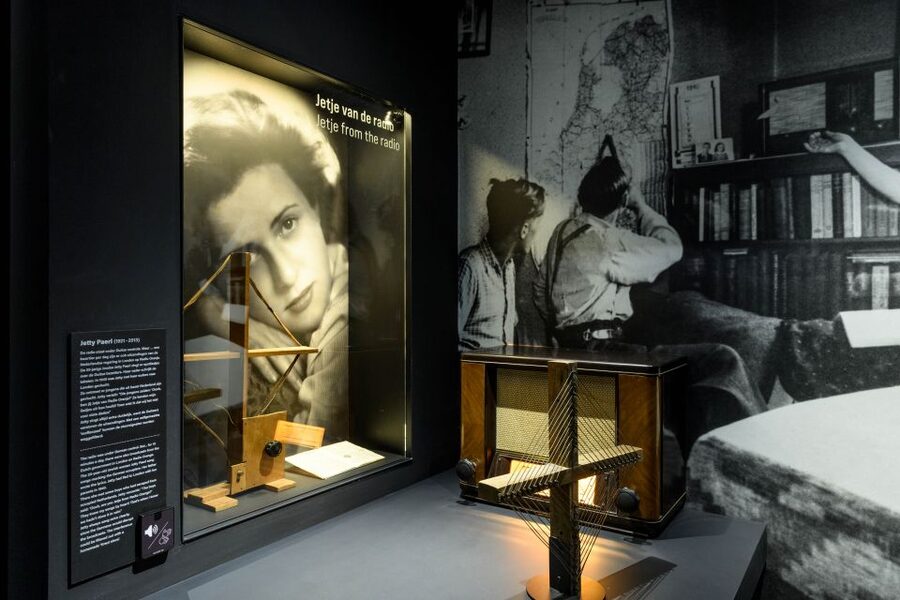
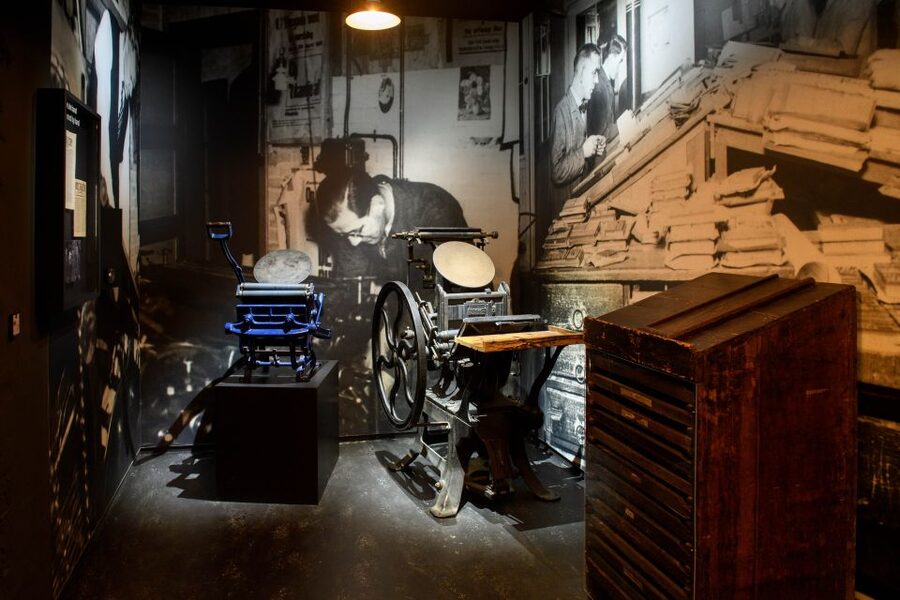
- underground newspapers and information sharing
- escape routes and other methods of getting people out
- espionage and, in some cases, armed resistance
This structure is useful for you because it keeps the visit organized even when the stories get intense. Instead of feeling like you are chasing one biography, you are seeing how resistance groups functioned, how people were connected, and how information traveled.
As you go deeper, expect to see walls filled with photos. These are not decorative. They help create the sense of being in the war years, where names mattered and anonymity could be a lifeline.
A gentle caution: because the themes cover both exceptional acts and day-to-day choices, the museum can feel dense. If you rush, you will miss the emotional logic behind how people got involved. A slower pace will make it land harder in the right way.
Audiovisual stories and objects: why the museum feels so real
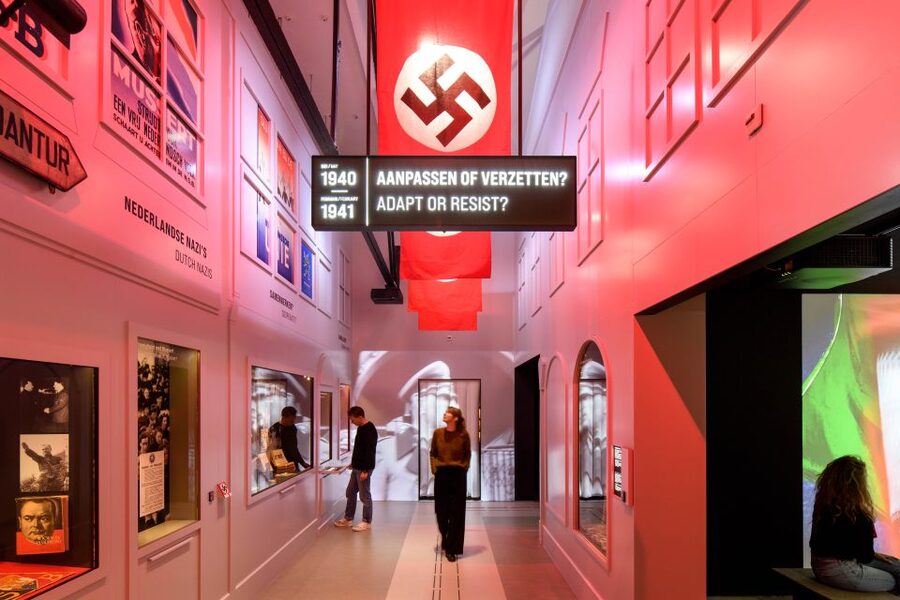
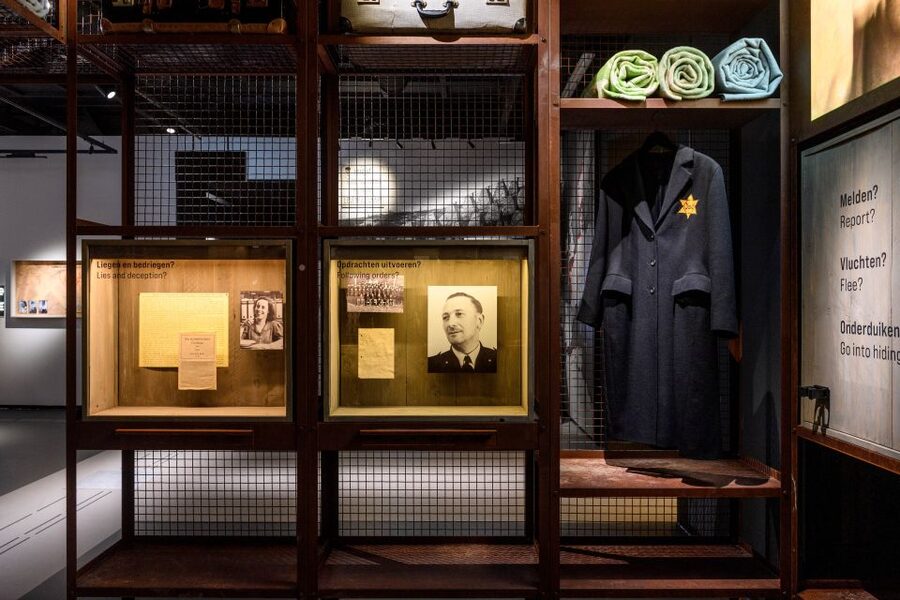
A lot of museums show artifacts behind glass. This one uses them more effectively. You will run into personal documents, wartime items, and displays that explain not just what happened, but what that moment meant for someone’s life.
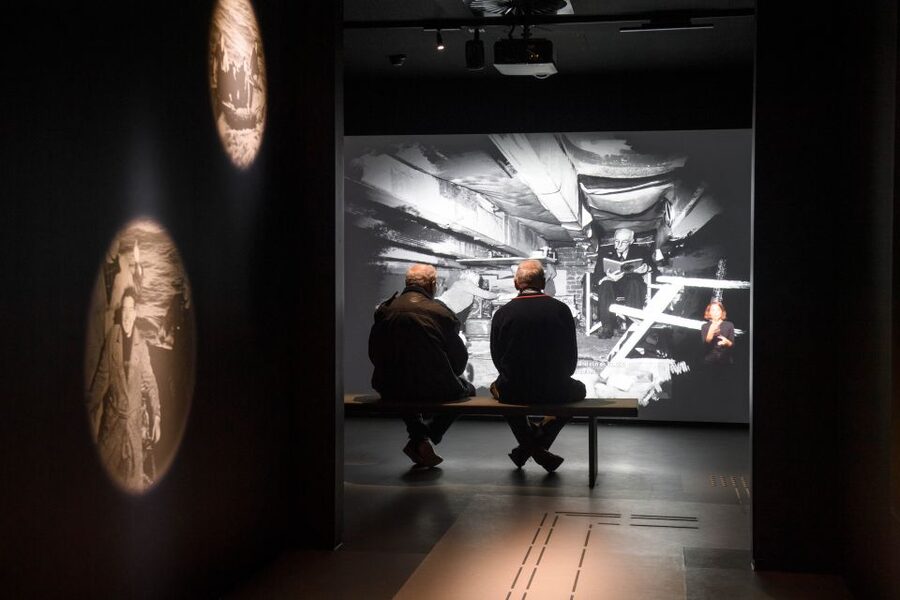
The effect is stronger because of the way the museum mixes formats. You will likely see short films alongside written and audio storytelling. That combination helps you connect the details. A document can explain the stakes, and a film can show the atmosphere that the document implies.
One of the most praised parts is how interactive and easy to follow the presentation feels. People talk about the tech working smoothly, with the audio responding to your scan choices. You can also expect some exhibits to feel quiet and focused. That matters in a museum with heavy themes, because you do not want to fight noise while you are trying to read carefully.
If you are the type who likes to pick one thread and stay with it, this is a good place. The audio system lets you linger at stations instead of being herded like you are on a bus tour.
Not the right fit? Amsterdam also runs these:
- Amsterdam: Heineken Experience Ticket including 2 Drinks
★ 4.6 · 36,014 reviews - Amsterdam Classic Saloon Boat Cruise with Drinks and Cheese
★ 5.0 · 31,825 reviews - Amsterdam Luxury Canal Cruise + Unlimited Drinks & Bites option
★ 5.0 · 30,518 reviews - Amsterdam: Rijksmuseum Entry Ticket
★ 4.7 · 29,512 reviews
Propaganda and wartime walls: how the museum recreates the occupied mood
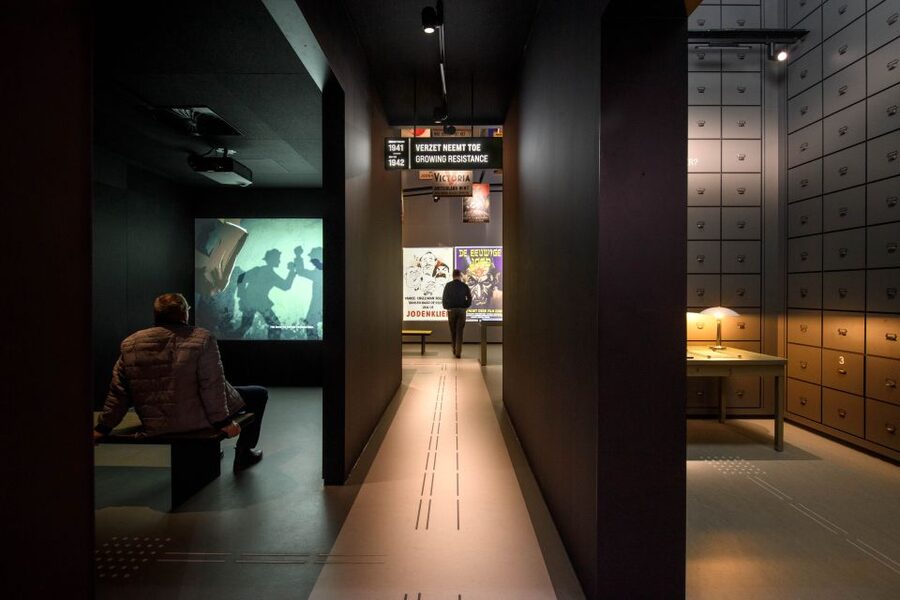
One of the most distinctive impressions is the sense of atmosphere. The museum leans on images, photos, and displayed materials that recreate what the occupation environment looked and felt like.
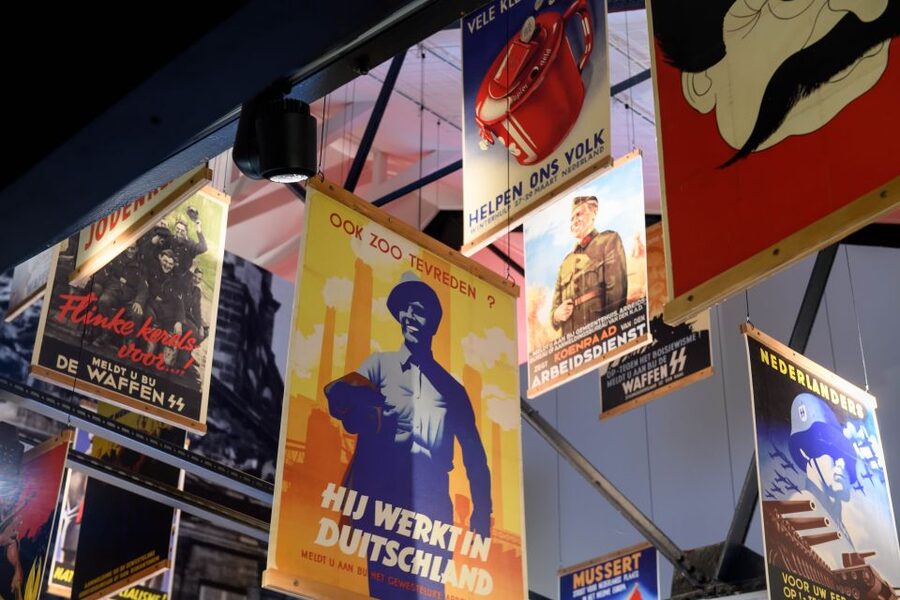
You may notice interactive propaganda elements. One review specifically praised interactive propaganda posters, and that fits the museum’s goal: propaganda was not just in newspapers. It was part of how people were pressured day after day.
That is why this visit feels different from a standard WWII exhibit. You are not only learning about battles. You are seeing the information war, the pressure on public opinion, and the way daily life got shaped by power.
If you are sensitive to the subject matter, plan your pacing. Take short pauses between sections. Step back from a display that hits too hard, then return when your brain is ready. You will get more out of it that way.
Dilemmas and moral weight: resistance, collaboration, and difficult choices
A key element of the museum is the way it treats people as full human beings. You will encounter moving personal documents that describe dilemmas under occupation. The emphasis is not simply on good guys and bad guys.
You learn that some people were forced into choices with no comfortable options. Others resisted. Some collaborated. The museum’s message is that occupation bent everything, including trust, family safety, and survival decisions.
This part can be emotionally exhausting, but it is also one of the reasons the museum is considered strong. It avoids turning the era into a simple moral puzzle. Instead, it shows how complex life became when the rules were written by an occupying force.
If you like history that explains human behavior, you will probably rate this highly. If you prefer only action scenes, you might have to adjust your expectations and accept that the story often takes place in paperwork, rooms, and quiet risks.
The Dutch East Indies section: WWII extends beyond Europe
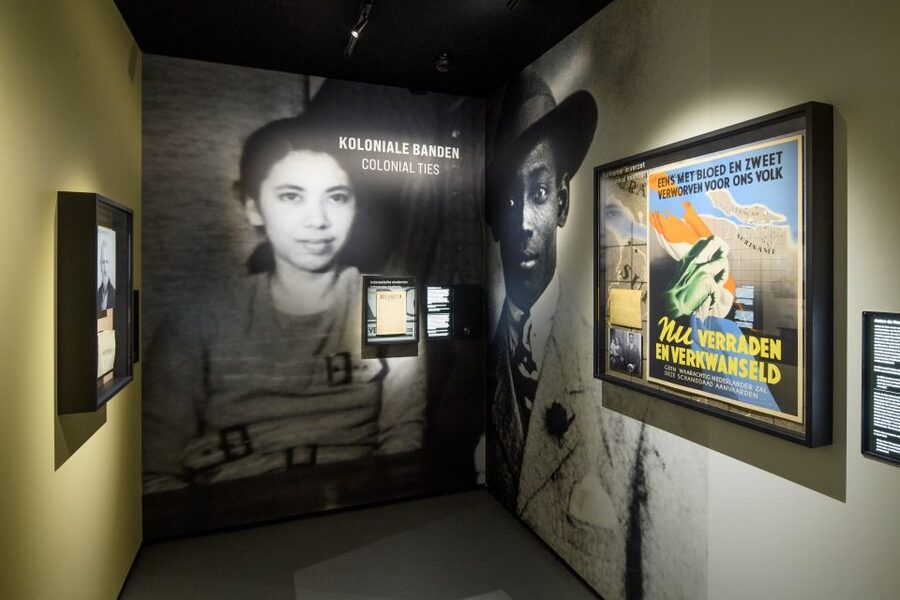
Near the middle or later portion of the museum experience, you will find a dedicated section about the Dutch East Indies. This is focused on the people’s harrowing experiences under Japanese regime terror.
This matters for your understanding because WWII in the Netherlands was not limited to the Western Front or the streets of Amsterdam. The museum connects the Dutch wartime story to wider colonial history and to the experiences of people far from Europe.
If you have family history tied to the Dutch East Indies, this section can hit especially hard. Even without personal connections, it provides useful context and makes the museum feel more complete than an exhibit that only covers Nazi Germany’s control of Europe.
For readers who know the famous names of the period, like Anne Frank, this section is a reminder that many other experiences were equally real, even if they are less universally known.
How much time to plan, and how to pace a self-guided visit
Most visitors give it a solid chunk of time. A common recommendation is to plan for about 2 to 3 hours, and some people spend around 2.5 hours when they stop at many stations.
That time range is realistic because the museum is not one long hallway. It is multiple rooms with photos, audio points, and films. If you try to do it in under an hour, you will feel like you skipped the point.
Here is how I suggest you pace it:
- Start with the main resistance themes so you get the framework.
- Then return for the stations that caught your attention.
- Leave a little time for the Dutch East Indies section so you do not end with a rushed emotional moment.
Also, the museum layout is praised as accessible and well organized. People describe it like a space that grows as you go deeper, which is another reason to leave enough time to wander without guilt.
Price and value: is $21 per person worth it?
At about $21 per person, the price can feel like a bargain for what you get, mainly because an audioguide is included. You are not paying extra for basic interpretation, and you are not limited to one language.
The museum also includes a lot of presentation styles, including audio, visual materials, and interactive exhibit elements that connect your listening to specific displays. That setup tends to justify the cost because it reduces the most common museum complaint, you know the one, where you spend money but do not understand what you are looking at.
In value terms, this ticket becomes even better if you like WWII history. But it can also work if you are not a die-hard history fan, as long as you are open to human stories. The museum presentation is designed to be readable and followable, even if you do not have deep background knowledge.
One practical note: food and drinks are not included with your ticket. Some visitors mention a nice restaurant attached, so you can plan a meal nearby after you finish.
Who should book this WWII Resistance Museum ticket
This is a great fit if you want:
- a serious, well organized look at Dutch resistance during Nazi occupation
- clear explanations of multiple resistance methods, not just one storyline
- an audioguide experience you can control, instead of a fixed group tour
It is also a solid match if you appreciate museums that use real artifacts and personal documents. That combination helps the era feel specific, not generic.
If you are traveling with kids or teens, you may want to consider age and sensitivity. The content is not light. But the presentation style is accessible, and some visitors have commented on how easy it is to follow.
If you get overwhelmed by heavy topics, go in with a plan. Use the audio scanning selectively, and do not feel you must listen to every station.
Should you book this Amsterdam resistance museum ticket?
Yes, you should book if you want a high-impact WWII museum visit in Amsterdam that explains both the resistance and the human dilemmas behind it. The included multilingual audioguide, the scan-based exhibit approach, and the mix of documents, photos, and film make it a strong use of time.
Before you buy, think about your emotional comfort. If you know you prefer lighter sightseeing, this might be too heavy for your day. If you are ready for history that treats people with seriousness, this ticket is a clear choice.
If you can, give yourself a half-day mindset, not a quick stop mindset. You will get more out of it when you slow down.
FAQ
How long is the experience valid for after I book?
The ticket is valid for 1 day. You should check available starting times for entry.
What is included with the Amsterdam WWII Resistance Museum ticket?
Your ticket includes entry and an audioguide.
Do I need to hire a guide separately?
No. A guide is not included. The experience is self-guided with the audioguide.
What languages are available for the audioguide?
The audioguide is available in Dutch, English, French, German, Italian, Spanish, and Portuguese.
Where do I go to enter the museum?
Show your ticket(s) at the museum counter.
Is there wheelchair access?
Yes, the museum is wheelchair accessible.
Is food and drink included?
No. Food and drinks are not included.
What is the cancellation policy?
You can cancel up to 24 hours in advance for a full refund.
Can I reserve now and pay later?
Yes. The option to reserve now and pay later is available.
Latest Amsterdam reviews
- Small Group Tulip and Spring Flower Fields Bike Tour★ 4.5 · 14 reviews
- Amsterdam Van Gogh Museum Private Tour for Kids & Families★ 4.0 · 14 reviews
- Zaanse Schans Windmills Private Tour from Amsterdam Airport★ 5.0 · 14 reviews
- Bruges Day Trip from Amsterdam★ 4.5 · 14 reviews
- Volendam: Volendams Museum Entry Ticket★ 4.4 · 14 reviews
- Zaanse Schans Windmills, cheese and clogs and Volendam tour from Amsterdam★ 5.0 · 14 reviews
- Departure from Amsterdam City to Amsterdam Airport AMS by Minivan★ 5.0 · 14 reviews
- Walking Tour about Golden Age Architecture, private local guide★ 5.0 · 15 reviews