Reviewed · AMSTERDAM TOURS
24 Jan: Organ Favourites at Westerkerk Amsterdam
An organ recital in Amsterdam’s Westerkerk is interesting because the room itself does half the work. The Duyschot Organ turns Bach and friends into something you can feel in your chest, not just hear in your ears. I also love how this performance is staged in a candlelit church setting, where the atmosphere makes every pause sound intentional.
My other favorite part is the location story layered into the music. You’re in the church where Rembrandt was buried, and you even hear how Anne Frank talked about the clock tower chimes while she was hiding nearby. One possible drawback: it can be chilly in a historic church during a 1-hour sitting, and the candle setup may depend on conditions, so pack warm layers.
Key things you should notice at Westerkerk
- Evan Bogerd plays the Duyschot Organ on January 24, with a focused, one-hour format
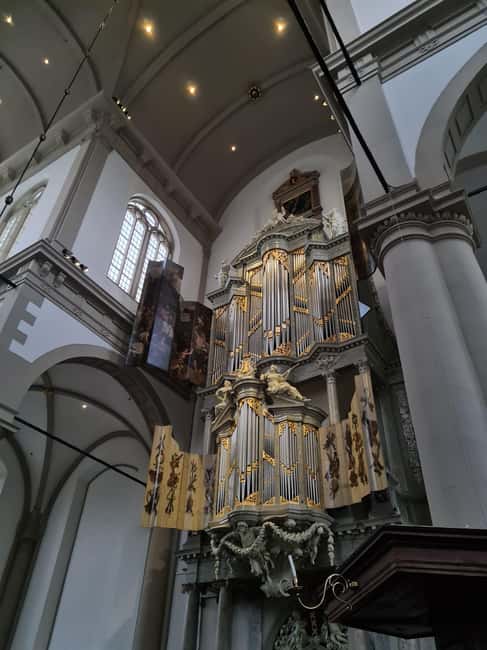
- The Duyschot organ dates to 1686, a Dutch Baroque instrument with serious presence
- You get the organ and the history together, including Rembrandt’s memorial stone context
- Anne Frank’s diary detail comes into play, tied to the church clock tower chimes
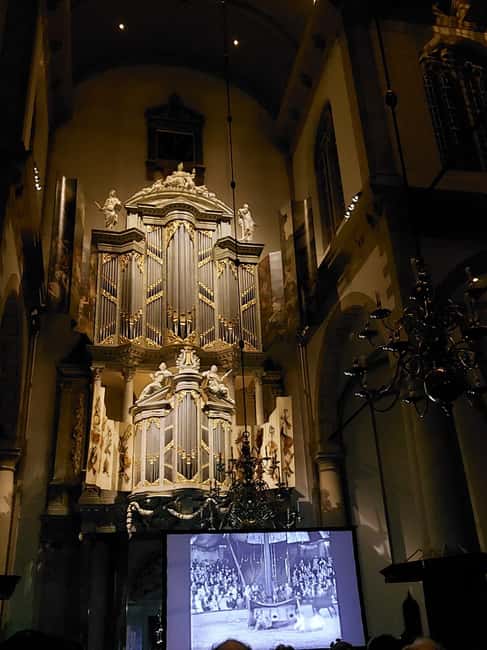
- Big-screen viewing helps you follow the performance, not just sit and listen blindly
- Wheelchair access is available, so you can plan without worrying about getting in
Westerkerk by candlelight: why this church makes an organ recital hit
Westerkerk is the kind of building that makes you slow down the moment you step inside. It is the biggest Protestant church building in the Netherlands, with the weight of centuries in the stone, wood, and sound. When you pair that scale with an organ recital, the results are practical, not just poetic. Pipe tones travel farther, reverberation takes over at the right moments, and the space helps even a simple passage feel dramatic.
I like that this experience does not treat the church like a backdrop. It gives you context as you listen. You hear how artists are connected to the place, including the fact that Rembrandt van Rijn was buried there. That matters because it turns the recital into a kind of guided evening in the arts, not only a concert ticket.
The candlelit style is part of the appeal. Even if you personally prefer bright visuals, dimmer lighting changes how you perceive music. You notice phrasing more, you watch less, and the sound becomes the main character.
One small planning note: candlelit settings and historic churches can be cold. You do not want to spend a full hour thinking about your toes. Bring layers, even if Amsterdam looks mild outside.
A few other ways to fill a day in Amsterdam
- Amsterdam: Van Gogh Museum Ticket
★ 4.7 · 52,054 reviews - Amsterdam: Heineken Experience Ticket including 2 Drinks
★ 4.6 · 36,014 reviews - Amsterdam Classic Saloon Boat Cruise with Drinks and Cheese
★ 5.0 · 31,825 reviews
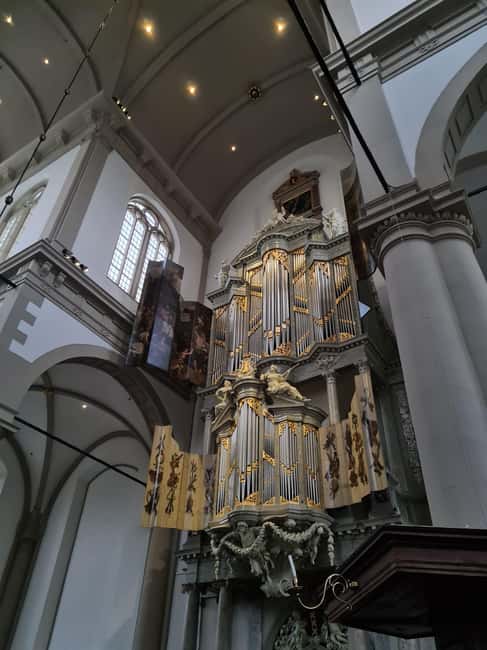
The Duyschot Organ: built in 1686 and made for dramatic sound
The headline here is simple: you get to hear the monumental Duyschot Organ. Built in 1686, it belongs to the Dutch Golden Age, and it is the centerpiece of Westerkerk’s musical life. Organists do not just press keys. They bring out balance, pressure, and texture by choosing which ranks of pipes to bring forward. On an instrument like this, that technique becomes obvious to your ears.
If you have ever heard organ music only on recordings, live is a different story. In a church like Westerkerk, the instrument has room to breathe, and you hear layers that can get blurred on speakers. You may notice that quiet moments feel clearer, and louder passages feel less like volume and more like physical space.
A detail I really appreciate from the way this is presented: you get visual help. The organist is shown on a big screen, so you are not guessing what is happening during big changes. You also get to see the massive organ shutters, which were painted by Gerard de Lairesse, an acquaintance of Rembrandt van Rijn. That connection is not random. It links the visual arts of the Dutch Golden Age to the sound of the same era, which makes the whole evening feel more coherent.
And there is one more reason this organ matters for your listening. The Duyschot is famous enough that the performers and the program can be built around it. Ending with Bach’s Toccata in D minor is exactly the kind of way to show off what the instrument can do: clarity at speed, power when the harmonies stack up, and drama when the music turns serious.
What Evan Bogerd plays on January 24, and how the composer mix works
The performer for this recital is organist Evan Bogerd. He plays the mighty Duyschot Organ, and the program is designed around well-known favorites rather than an obscure scavenger hunt. The music list you can expect includes Bach, Buxtehude, Wagner, Franck, and Mussorgsky, with the concert concluding with Bach’s Toccata in D minor.
Here is why that mix makes sense for most people. Bach and Buxtehude give you structure and architectural detail. You can hear patterns, counterpoint, and the kind of musical logic that makes organ lines feel crisp even when the room reverb is doing its job. Then you get composers like Franck and Wagner, who often write with bigger emotional arcs. On a pipe organ, that can translate into swelling resonance and a more cinematic sense of pacing.
Mussorgsky in this setting is a fun twist because it keeps you from assuming this recital will only be Baroque. Even if you do not know the exact pieces ahead of time, the ear tends to catch themes faster when the instrument is doing such a dramatic job in a large church.
One caution, and it is worth saying plainly: organ music can be either gripping or slow to some listeners, depending on what you love. One person found the program technically perfect but not captivating, especially when expecting Bach to feel more goosebump-inducing than it did. So if you are a person who needs variety or constant momentum, consider whether you enjoy Bach-heavy recitals in general.
That said, the people who loved this night really praised the performance itself, and the setting. For many, the combination of a top organist and the Westerkerk acoustics is the difference between music you hear and music you remember.
The church stories: Rembrandt’s burial and Anne Frank’s clock tower chimes
In Amsterdam, you can find art and monuments almost anywhere. What makes Westerkerk different is how directly it ties to the creative lives people already associate with Dutch history. You are not just touring famous names. You are listening inside the same walls that connect them.
Rembrandt matters here because he was buried in Westerkerk. The experience also includes a visit to Rembrandt’s memorial stone during the concert setup. That adds a grounded, human touch. You are hearing sound in a place tied to a real person’s final chapter, and that changes the way you sense time while the organ plays.
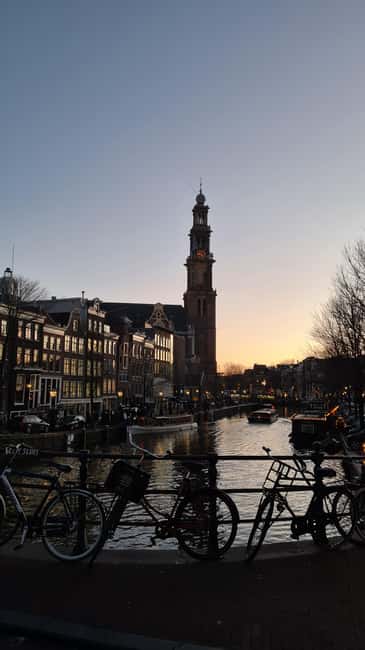
Then there is Anne Frank’s connection. She was in hiding nearby, and her diary mentions being soothed by the church’s clock tower chimes, which she referred to multiple times. Hearing about that while you sit in the church is powerful because it turns a routine sound into an emotional anchor.
Practical tip: if you are the type who gets distracted by details, give yourself permission to switch gears. Let the stories set the mood, then let the music take over. You will enjoy it more if you stop trying to multitask your attention.
Also, these stories are not tacked on like trivia cards. They help explain why the church has that “quietly important” feeling even before any organ note rings out. When the recital starts, you already understand the space as a living part of Amsterdam’s past.
Not the right fit? Amsterdam also runs these:
- Amsterdam Luxury Canal Cruise + Unlimited Drinks & Bites option
★ 5.0 · 30,518 reviews - Amsterdam: Rijksmuseum Entry Ticket
★ 4.7 · 29,512 reviews - Amsterdam: Classic Saloon Boat Cruise with Cheese & Wine
★ 4.6 · 27,035 reviews - Amsterdam: Evening Cruise with Optional Wine and Snacks
★ 4.4 · 22,178 reviews
Following the performance: big screen views and hearing the organist at work
Organ concerts can be tricky if you only look at hands. Pipes are hidden, mechanisms are mostly behind woodwork, and without context it can feel like the music is coming from nowhere. That is why the big screen matters. You can see the organist playing, and you can watch how changes in the performance line up with changes in sound.
You may also find yourself paying attention to the organ shutters. They are not just decorative. On a visual level, they frame the instrument and give you something to focus on besides the general grandeur of the church. When you know the shutters were painted by Gerard de Lairesse, you add another layer to your attention. The church becomes part museum, part performance hall.
For your listening, try to stay a little patient. Organ music often starts with careful building. You want to hear how the line grows, then how it locks into harmony, then how the sound spreads through the space. If you rush to evaluate only the loudest moments, you might miss the craft that makes quieter passages feel just as intense.
If you are sensitive to cold, again, act early. Put on your warm layers before you sit down. Being comfortable makes it easier to focus on the music instead of the environment.
Price and value: is a $26, one-hour recital worth it?
At about $26 per person for a one-hour experience, you are buying a very focused evening. In a city where concert tickets can jump quickly, this is a relatively approachable way to hear a major instrument in a major venue. What makes the value feel real is the combination: the venue, the instrument, and the performer.
You are not only getting a seat in a church. You are getting access to:
- the Duyschot organ, built in 1686
- a named organist, Evan Bogerd
- the big-screen view of the performance
- the church connections to Rembrandt and Anne Frank
If even one of those elements would be a “yes” for you, the price can start to feel easy to justify. If you are unsure about organ music, this is also a good trial because the time is short. You get a clear answer by the end of the recital rather than committing to a long program.
One thing to keep in mind: a 1-hour recital means density. You will get momentum, but there is not a lot of time for a back-and-forth between music and story. If you love long guided lectures, you might want a different type of experience. If you want a solid evening where music is the point and the context supports it, this fits nicely.
Who this fits best, and who should think twice
This experience is best for you if you:
- love classical music and want a live organ recital in an iconic Amsterdam church
- enjoy when a concert also teaches you something about place
- appreciate the pairing of Dutch art history connections with the sound of the era
It also works well for couples and solo visitors who want an atmospheric night without a complicated plan. The fact that Westerkerk is wheelchair accessible makes it easier to include more people in your group, and the big screen can help if you prefer visuals alongside listening.
Should you think twice if you:
- get cold easily in stone churches
- do not usually enjoy Bach-based programs, since the concert concludes with Bach’s Toccata in D minor and includes other Bach favorites
Music tastes are personal, and organ programs can land differently depending on what you expect from Bach. The best approach is to go willing to listen, not ready to compare.
Should you book Organ Favourites at Westerkerk?
I think you should book this if you want a high-impact Amsterdam evening where the Duyschot Organ is the main event and the church setting adds meaning. The combination of Evan Bogerd’s performance, Westerkerk’s scale, and the specific Rembrandt and Anne Frank connections is a strong match for anyone who likes arts that feel rooted in a real place.
Book it especially if you are curious about early music and enjoy hearing different composer styles side by side. And if cold weather bothers you, plan for it and dress for indoor church time.
FAQ
FAQ
Where does the recital take place?
It takes place in the Westerkerk in Amsterdam.
How long is the Organ Favourites recital?
The duration is 1 hour.
What is the price per person?
The price is listed as $26 per person.
Who plays the Duyschot Organ?
Organist Evan Bogerd performs on the Duyschot Organ.
What composers can I expect during the concert?
You can expect music by Bach, Buxtehude, Wagner, Franck, Mussorgsky, and other organ favorites. The concert concludes with Bach’s toccata in D minor.
Will I be able to see the organist during the performance?
Yes. You can see the organist playing on a big screen.
Is the venue wheelchair accessible?
Yes, the activity is wheelchair accessible.
Is there flexibility if my plans change?
Yes. Free cancellation is available up to 24 hours in advance for a full refund, and you can reserve now and pay later.
Latest Amsterdam reviews
- Small Group Tulip and Spring Flower Fields Bike Tour★ 4.5 · 14 reviews
- Amsterdam Van Gogh Museum Private Tour for Kids & Families★ 4.0 · 14 reviews
- Zaanse Schans Windmills Private Tour from Amsterdam Airport★ 5.0 · 14 reviews
- Bruges Day Trip from Amsterdam★ 4.5 · 14 reviews
- Volendam: Volendams Museum Entry Ticket★ 4.4 · 14 reviews
- Departure from Amsterdam City to Amsterdam Airport AMS by Minivan★ 5.0 · 14 reviews
- Zaanse Schans Windmills, cheese and clogs and Volendam tour from Amsterdam★ 5.0 · 14 reviews
- Walking Tour about Golden Age Architecture, private local guide★ 5.0 · 15 reviews
Amsterdam Tours, compared.
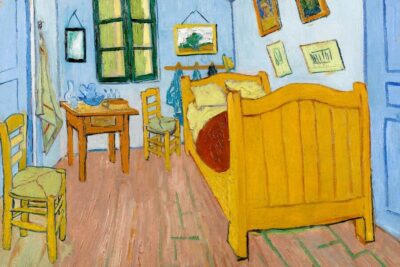

Heineken Experience Ticket including 2 Drinks
Read our review →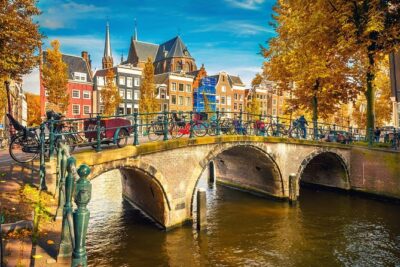
Amsterdam Classic Saloon Boat Cruise with Drinks and Cheese
Read our review →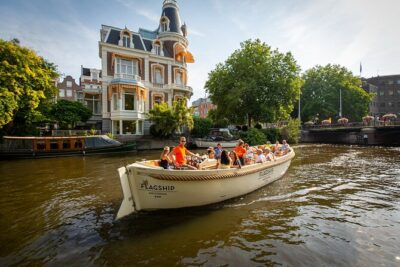
Amsterdam Luxury Canal Cruise + Unlimited Drinks & Bites option
Read our review →

Classic Saloon Boat Cruise with Cheese & Wine
Read our review →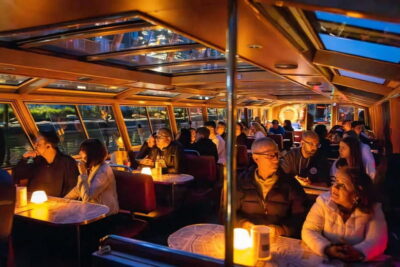
Evening Cruise with Optional Wine and Snacks
Read our review →